THE ADVENTURE COLLECTIVE® · Independent discovery and booking for outdoor travel

Beat the crowds with an early-arrival hike to Vinicunca (Rainbow Mountain) and the intense Red Valley. This guided, small-group trek pairs high-altitude geology and Quechua culture with practical tips for coping with 5,033 m elevation.
Beat the crowds with an early-arrival hike to Vinicunca (Rainbow Mountain) and the intense Red Valley. This guided, small-group trek pairs high-altitude geology and Quechua culture with practical tips for coping with 5,033 m elevation.
You step from the minivan before dawn and the air is a thin, bright slap—cold, clean, full of distant rock and the soft breath of alpacas. Guided by headlamp and quiet conversation, the group moves toward the slope that reveals itself in color as the sun climbs: rust, ochre, turquoise streaks on a high Andean flank.
Verified experiences and guided adventures in the surrounding area.
Operated by Visit South America · Cusco, Cusco Region
You step from the minivan before dawn and the air is a thin, bright slap—cold, clean, full of distant rock and the soft breath of alpacas. Guided by headlamp and quiet conversation, the group moves toward the slope that reveals itself in color as the sun climbs: rust, ochre, turquoise streaks on a high Andean flank.
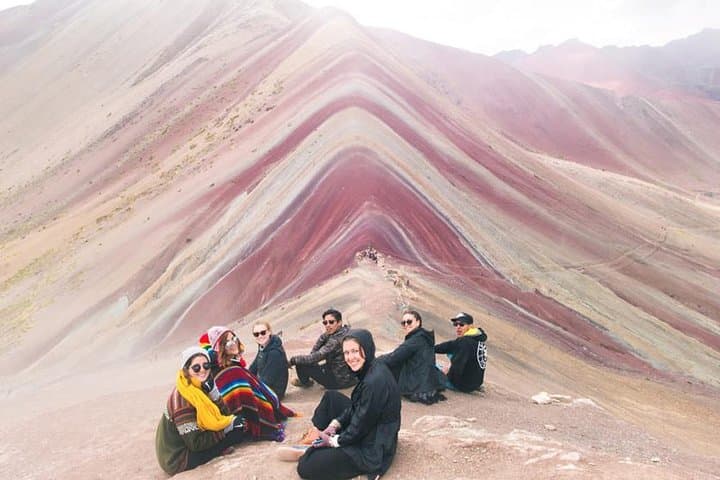
The route threads a green valley below the glaciated shoulders of Apu Ausangate, a mountain the Quechua hold sacred. The vibrant bands of Rainbow Mountain are the product of mineral strata—iron oxides, clays and other deposits exposed by uplift and erosion—while nearby Red Valley offers steeper, intense tones and fewer visitors.
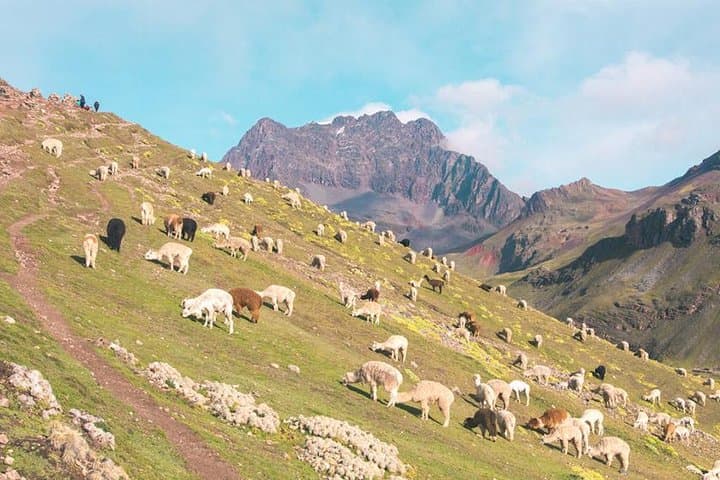
Culturally, the trail runs through living Quechua landscapes: herders, stone corrals and high-altitude agriculture. Local guides explain orogenesis and how seasonal snow and wind continue to sculpt these slopes. Expect the practical cadence of a 5 km round-trip hike, roughly 3–4 hours on-trail, with a summit at about 5,033 m (16,518 ft).
Plan for altitude and rapid weather swings: start very early (pickups 2:00–2:30 a.m.), layer, bring sunscreen and extra fluids, and consider hiring a local horse only if you accept the added risk. The company provides breakfast, snacks, lunch and oxygen on-site; independent travelers should still carry basic first-aid and warm layers.
Being among the first groups gives a different perspective—quieter trails, clearer views of Ausangate, and more time to learn from guides—without compromising the practicalities of a full-day high-altitude excursion.
challenging.
11–14 hours.
Suitable for travelers with good cardiovascular fitness and prior day-hike experience at altitude; ability to walk 5 km on uneven ground is required.
The on-trail distance is about 5 km round-trip with a total outing of roughly 3–4 hours of hiking; the highest viewpoint reaches approximately 5,033 m (16,518 ft).
Horses are available to hire from local handlers on the morning of the trek; riders accept liability and should expect handlers to sometimes move ahead of the group.
The dry season (May–September) offers the most reliable visibility; the region receives frequent rain November–March which can obscure colors and trail conditions.
Bring a guide’s contact and follow their instructions; tours often carry oxygen and first aid, but descending and rest are the primary treatments—seek medical help if symptoms worsen.
These slopes sit in the shadow of Ausangate, an Apu (sacred mountain) central to Andean cosmology; pastoralism and high-altitude agriculture have shaped the local landscape for centuries.
High foot traffic erodes fragile puna soils—stick to designated trails, hire local guides who practice low-impact tourism, and avoid leaving litter or feeding wildlife.
Visit South America operates guided outdoor trips and adventures with an emphasis on safety, stewardship, and memorable experiences.


You step from the minivan before dawn and the air is a thin, bright slap—cold, clean, full of distant rock and the soft breath of alpacas. Guided by headlamp and quiet conversation, the group moves toward the slope that reveals itself in color as the sun climbs: rust, ochre, turquoise streaks on a high Andean flank.
You step from the minivan before dawn and the air is a thin, bright slap—cold, clean, full of distant rock and the soft breath of alpacas. Guided by headlamp and quiet conversation, the group moves toward the slope that reveals itself in color as the sun climbs: rust, ochre, turquoise streaks on a high Andean flank.
The route threads a green valley below the glaciated shoulders of Apu Ausangate, a mountain the Quechua hold sacred. The vibrant bands of Rainbow Mountain are the product of mineral strata—iron oxides, clays and other deposits exposed by uplift and erosion—while nearby Red Valley offers steeper, intense tones and fewer visitors.
Culturally, the trail runs through living Quechua landscapes: herders, stone corrals and high-altitude agriculture. Local guides explain orogenesis and how seasonal snow and wind continue to sculpt these slopes. Expect the practical cadence of a 5 km round-trip hike, roughly 3–4 hours on-trail, with a summit at about 5,033 m (16,518 ft).
Plan for altitude and rapid weather swings: start very early (pickups 2:00–2:30 a.m.), layer, bring sunscreen and extra fluids, and consider hiring a local horse only if you accept the added risk. The company provides breakfast, snacks, lunch and oxygen on-site; independent travelers should still carry basic first-aid and warm layers.
Being among the first groups gives a different perspective—quieter trails, clearer views of Ausangate, and more time to learn from guides—without compromising the practicalities of a full-day high-altitude excursion.