THE ADVENTURE COLLECTIVE® · Independent discovery and booking for outdoor travel

Walk among century-old zelkova and curated juniper avenues, then pause to watch moon bears and peacocks at Beartree Park in Sejong. This arboretum–sanctuary combo offers botanical variety, family-friendly trails, and wildlife viewing in a compact visit.
Walk among century-old zelkova and curated juniper avenues, then pause to watch moon bears and peacocks at Beartree Park in Sejong. This arboretum–sanctuary combo offers botanical variety, family-friendly trails, and wildlife viewing in a compact visit.
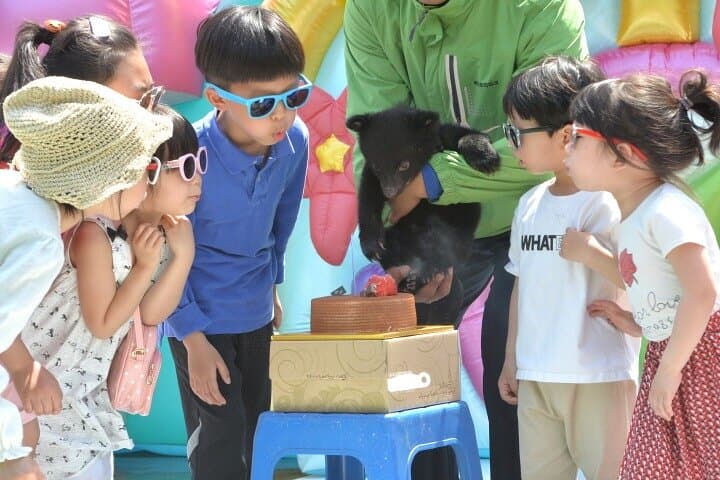
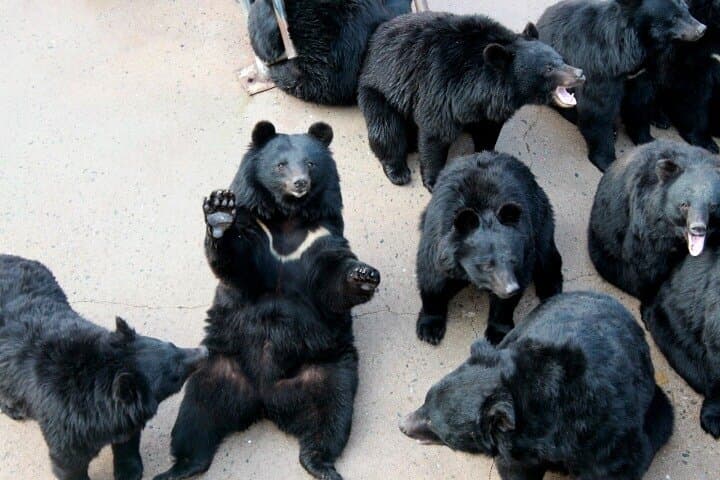
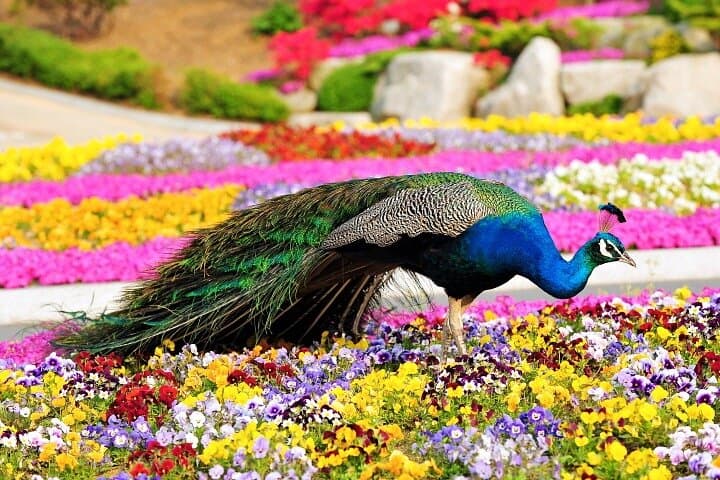
The path opens under a row of juniper and ancient zelkova; birds call from pine branches while peacocks fan iridescent tails on lawns that slope toward fenced enclosures. At Beartree Park you move between cultivated arboretum beds and open spaces where dozens of moon bears and deer wander — an experience that alternates quiet horticultural study with moments of animal observation.
Verified experiences and guided adventures in the surrounding area.
Operated by SEOUL PASS · Sejong, Sejong
The path opens under a row of juniper and ancient zelkova; birds call from pine branches while peacocks fan iridescent tails on lawns that slope toward fenced enclosures. At Beartree Park you move between cultivated arboretum beds and open spaces where dozens of moon bears and deer wander — an experience that alternates quiet horticultural study with moments of animal observation.
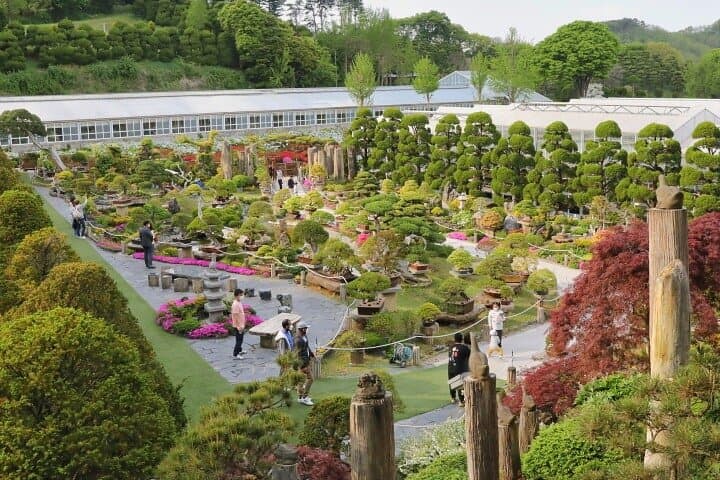
Opened in 2009 from a founder’s private collection, the arboretum sits on land that once sheltered village hedgerows and centuries-old trees. Junipers carried from stone walls now form sculpted avenues; zelkova and pine record regional plant history. The park also reflects modern Korean interest in combining conserved fauna with public green space: cultural events and family picnics run alongside wildlife viewing and educational displays.
Practical guidance: expect 1–3 hours to move at an unhurried pace; trails are mostly flat packed soil and short paved connectors with minimal elevation. Footwear: sturdy walking shoes; bring water and sun protection in summer. Animal viewing follows set paths and signage — respect barriers and avoid feeding. The site accepts mobile or paper tickets; service animals are allowed. Public transit reaches nearby stops but confirm schedules; note occasional temporary closures for construction (check dates before arrival).
Timing your visit for morning or late afternoon reduces heat stress on animals and crowds. Bring a camera with a mid-telephoto lens for respectful viewing, and pack out any trash — the park’s blend of cultivated plantings and animal habitats is sustained by visitor care.
easy.
1–3 hours.
Suitable for all fitness levels; mostly flat walking with short paved and packed-earth segments
Service animals are allowed, but non-service pets may be restricted — check current park rules before bringing a pet.
Most visitors spend 1–3 hours exploring the arboretum and viewing animal enclosures at a relaxed pace.
Tickets are mobile or paper and generally accepted on arrival, but during peak times or events advance booking is recommended.
Main paths include paved connectors suitable for strollers and basic wheelchair access, though some areas are packed soil; accessibility may vary by route.
The arboretum grew from a private collection opened as a public space in 2009; older junipers and zelkova reflect regional planting traditions.
The park balances animal care with horticultural conservation; visitors are asked to follow signage and remove trash to minimize human impact.
SEOUL PASS operates guided outdoor trips and adventures with an emphasis on safety, stewardship, and memorable experiences.
The path opens under a row of juniper and ancient zelkova; birds call from pine branches while peacocks fan iridescent tails on lawns that slope toward fenced enclosures. At Beartree Park you move between cultivated arboretum beds and open spaces where dozens of moon bears and deer wander — an experience that alternates quiet horticultural study with moments of animal observation.
The path opens under a row of juniper and ancient zelkova; birds call from pine branches while peacocks fan iridescent tails on lawns that slope toward fenced enclosures. At Beartree Park you move between cultivated arboretum beds and open spaces where dozens of moon bears and deer wander — an experience that alternates quiet horticultural study with moments of animal observation.
Opened in 2009 from a founder’s private collection, the arboretum sits on land that once sheltered village hedgerows and centuries-old trees. Junipers carried from stone walls now form sculpted avenues; zelkova and pine record regional plant history. The park also reflects modern Korean interest in combining conserved fauna with public green space: cultural events and family picnics run alongside wildlife viewing and educational displays.
Practical guidance: expect 1–3 hours to move at an unhurried pace; trails are mostly flat packed soil and short paved connectors with minimal elevation. Footwear: sturdy walking shoes; bring water and sun protection in summer. Animal viewing follows set paths and signage — respect barriers and avoid feeding. The site accepts mobile or paper tickets; service animals are allowed. Public transit reaches nearby stops but confirm schedules; note occasional temporary closures for construction (check dates before arrival).
Timing your visit for morning or late afternoon reduces heat stress on animals and crowds. Bring a camera with a mid-telephoto lens for respectful viewing, and pack out any trash — the park’s blend of cultivated plantings and animal habitats is sustained by visitor care.