THE ADVENTURE COLLECTIVE® · Independent discovery and booking for outdoor travel

Drive America’s most scenic road with an expert wildlife guide. This small-group tour takes you to Beartooth Pass (10,947 ft), with stops at Rock Creek Vista Point and Twin Lakes Overlook for sweeping alpine views and wildlife spotting.
Drive America’s most scenic road with an expert wildlife guide. This small-group tour takes you to Beartooth Pass (10,947 ft), with stops at Rock Creek Vista Point and Twin Lakes Overlook for sweeping alpine views and wildlife spotting.
You climb into a small van before dawn and the road begins to unwind — switchbacks cut through spruce and lodgepole, sunlight slicing across granite slabs that have been polished by ice. By the time you reach Beartooth Pass at 10,947 feet, the tundra opens like a high plain of stone and short grasses, and glacial bowls hold cobalt pools below jagged ridgelines.
Verified experiences and guided adventures in the surrounding area.
You climb into a small van before dawn and the road begins to unwind — switchbacks cut through spruce and lodgepole, sunlight slicing across granite slabs that have been polished by ice. By the time you reach Beartooth Pass at 10,947 feet, the tundra opens like a high plain of stone and short grasses, and glacial bowls hold cobalt pools below jagged ridgelines.
The Beartooth Highway itself is a story of ice and fire: uplifted Precambrian granites and glacial scouring shaped the route, and the road follows ancient drainage lines that spilled ice into the Yellowstone basin. Small towns such as Red Lodge provided the human edge — mining camps turned gateway communities — and the Top of the World Store near the summit still sells postcards and trail snacks to travelers joining scenic drives.
On a guided small-group outing you'll stop at Rock Creek Vista Point and Twin Lakes Overlook; expect binocular-driven wildlife checks for mountain goats, marmots, and occasionally elk lingering at tree line. A knowledgeable guide will point out geologic layers, local history, and safe viewing etiquette.
Practical side: the drive is exposed and high — pack layered outerwear, sun protection, and water. Roads can close with late snow; check conditions and start early to avoid afternoon weather. Bring a camera with a short telephoto for wildlife and keep distance to avoid stressing animals. This four-hour tour balances relaxed viewing with short roadside walks, offering big alpine scenery without an alpine climb.
easy.
3–4 hours.
Suitable for most fitness levels; involves short roadside walks and standing periods for viewing
The standard outing runs about four hours, typically with hotel or Airbnb pickup around Red Lodge and return to the same area.
No — the highway is seasonal and often closed in winter due to snow. Spring openings depend on snowmelt; check Montana DOT updates.
Wildlife sightings are common but not guaranteed; guides use binoculars and local knowledge to maximize opportunities while respecting animal behavior.
At nearly 11,000 feet, some visitors feel mild altitude effects; hydrate, move slowly on walks, and avoid heavy exertion if you’re sensitive to altitude.
The Beartooth Highway follows corridors shaped by Precambrian uplift and glaciation; nearby towns grew during the late-19th-century mining boom and became access points for tourists.
This high-elevation ecosystem is fragile—stay on designated pullouts and trails, pack out waste, and avoid disturbing sensitive alpine vegetation.
You climb into a small van before dawn and the road begins to unwind — switchbacks cut through spruce and lodgepole, sunlight slicing across granite slabs that have been polished by ice. By the time you reach Beartooth Pass at 10,947 feet, the tundra opens like a high plain of stone and short grasses, and glacial bowls hold cobalt pools below jagged ridgelines.
You climb into a small van before dawn and the road begins to unwind — switchbacks cut through spruce and lodgepole, sunlight slicing across granite slabs that have been polished by ice. By the time you reach Beartooth Pass at 10,947 feet, the tundra opens like a high plain of stone and short grasses, and glacial bowls hold cobalt pools below jagged ridgelines.
The Beartooth Highway itself is a story of ice and fire: uplifted Precambrian granites and glacial scouring shaped the route, and the road follows ancient drainage lines that spilled ice into the Yellowstone basin. Small towns such as Red Lodge provided the human edge — mining camps turned gateway communities — and the Top of the World Store near the summit still sells postcards and trail snacks to travelers joining scenic drives.
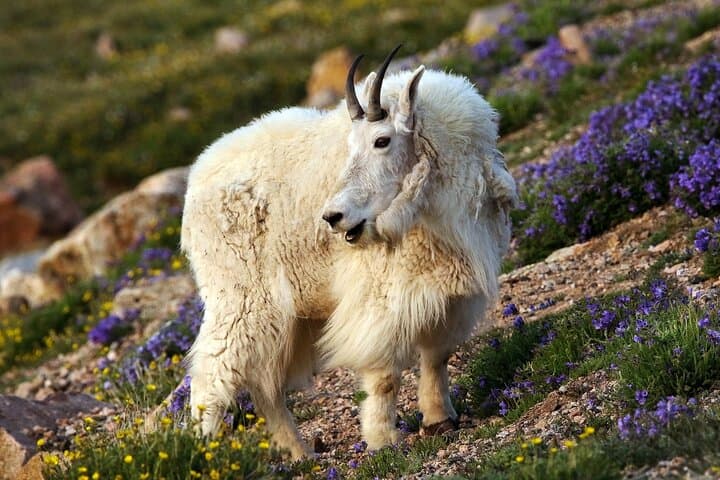
On a guided small-group outing you'll stop at Rock Creek Vista Point and Twin Lakes Overlook; expect binocular-driven wildlife checks for mountain goats, marmots, and occasionally elk lingering at tree line. A knowledgeable guide will point out geologic layers, local history, and safe viewing etiquette.
Practical side: the drive is exposed and high — pack layered outerwear, sun protection, and water. Roads can close with late snow; check conditions and start early to avoid afternoon weather. Bring a camera with a short telephoto for wildlife and keep distance to avoid stressing animals. This four-hour tour balances relaxed viewing with short roadside walks, offering big alpine scenery without an alpine climb.