THE ADVENTURE COLLECTIVE® · Independent discovery and booking for outdoor travel

Floatplane from Juneau to a narrow creek where grizzly bears gather to fish beneath a waterfall. Expect a 25-minute scenic flight, close but regulated shoreline viewing, and interpretive time with certified local guides.
Floatplane from Juneau to a narrow creek where grizzly bears gather to fish beneath a waterfall. Expect a 25-minute scenic flight, close but regulated shoreline viewing, and interpretive time with certified local guides.
You arrive at a low-slung floatplane hangar as the ferry and tide-slick channels hiss in the background. A 25-minute floatplane ride lifts you over densely forested islands of the Tongass; granite ridges and black spruce slip past below, and the air smells of salt and damp cedar. The plane sets down near a narrow estuary where Waterfall Creek pours over ledges — the creek's drop slows salmon in late summer and the bears come to work.
Verified experiences and guided adventures in the surrounding area.
Operated by Bear Creek Outfitters · Juneau, Alaska
You arrive at a low-slung floatplane hangar as the ferry and tide-slick channels hiss in the background. A 25-minute floatplane ride lifts you over densely forested islands of the Tongass; granite ridges and black spruce slip past below, and the air smells of salt and damp cedar. The plane sets down near a narrow estuary where Waterfall Creek pours over ledges — the creek's drop slows salmon in late summer and the bears come to work.
Waterfall Creek became a recognized bear-viewing site decades after pilots and naturalists noticed predictable salmon runs. Geologically the area is carved from glacial sculpting and active coastal temperate rainforest: steep tills and glacial outwash feed cold, clear streams that pulse with spring melt and late-summer fish runs. Culturally, Southeast Alaska ties to Tlingit stewardship and subsistence fishing frame how guides operate: limited permits, defined viewing distances, and quiet observation.
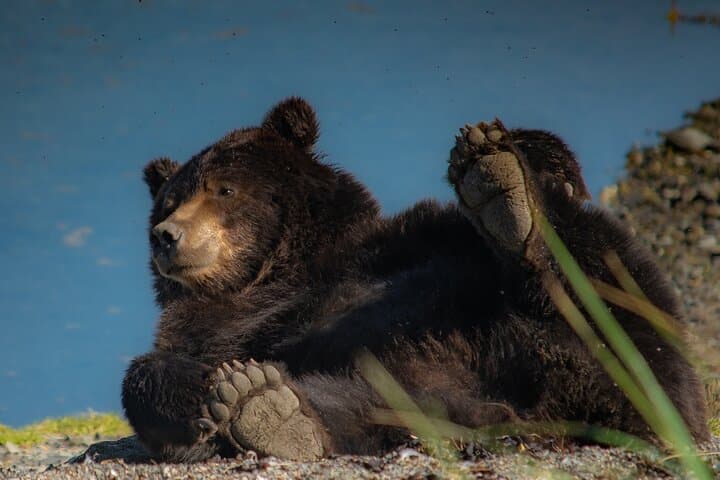
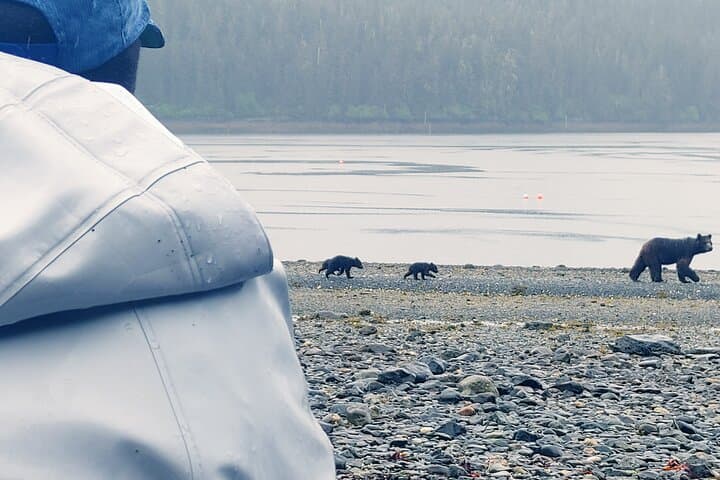
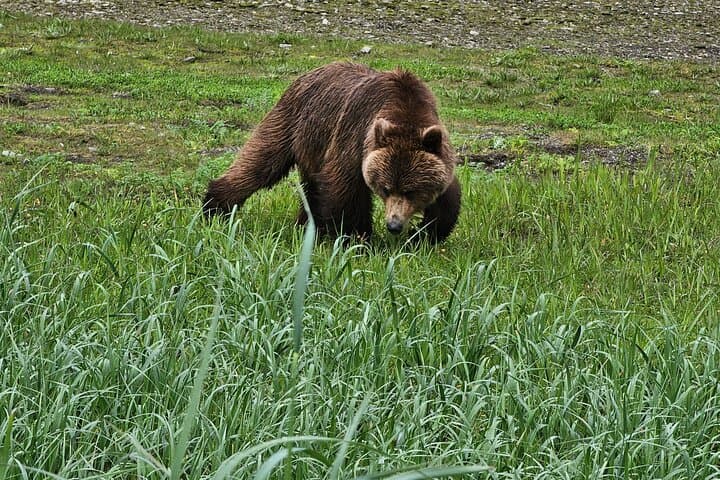
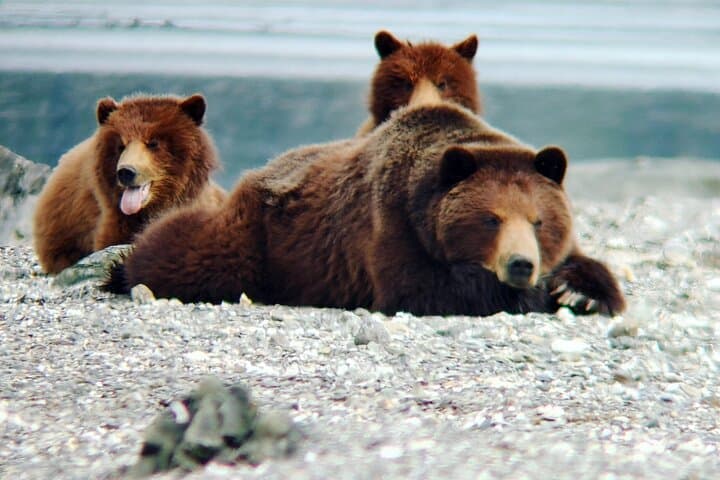
On a typical mid-July through September visit expect 5–6 hours total: floatplane transit, shoreline observation at 20–75 yards, and interpretive time with a certified guide. Wildlife viewing centers on grizzly bears fishing at the waterfall, with bald eagles and ravens common overhead and the occasional seal or whale seen from the plane.
Practically: dress waterproof and warm in layers, bring closed-toe shoes for wet shorelines, and keep camera lenses ready — viewing windows are short but dramatic. Guides provide binoculars, scopes, rain gear, and snacks; respect posted boundaries and follow your guide’s instructions to protect both you and the bears.
easy.
5–6 hours.
Light fitness required — able to board a floatplane and stand/walk on uneven shoreline for up to a few hours.
Guides maintain safe, regulated viewing distances typically between 20–75 yards depending on bear behavior and permit rules.
Mid-July through the end of September aligns with peak salmon runs and the highest probability of witnessing bears catch fish.
Yes — private tours accept children as young as 6; infants must sit on an adult’s lap during flights per operator policy.
Trips may be canceled for weather or low traveler numbers; the operator lists an all-sales-final policy but will cancel if unsafe and may reschedule if possible.
Guides and local pilots identified Waterfall Creek as a reliable bear-viewing spot decades ago; permits and guided etiquette have since formalized visits to protect wildlife.
Operators work under permit rules to limit disturbance; stay on guide-designated viewing areas and avoid bringing food to minimize human-bear interactions.
Bear Creek Outfitters operates guided outdoor trips and adventures with an emphasis on safety, stewardship, and memorable experiences.
You arrive at a low-slung floatplane hangar as the ferry and tide-slick channels hiss in the background. A 25-minute floatplane ride lifts you over densely forested islands of the Tongass; granite ridges and black spruce slip past below, and the air smells of salt and damp cedar. The plane sets down near a narrow estuary where Waterfall Creek pours over ledges — the creek's drop slows salmon in late summer and the bears come to work.
You arrive at a low-slung floatplane hangar as the ferry and tide-slick channels hiss in the background. A 25-minute floatplane ride lifts you over densely forested islands of the Tongass; granite ridges and black spruce slip past below, and the air smells of salt and damp cedar. The plane sets down near a narrow estuary where Waterfall Creek pours over ledges — the creek's drop slows salmon in late summer and the bears come to work.
Waterfall Creek became a recognized bear-viewing site decades after pilots and naturalists noticed predictable salmon runs. Geologically the area is carved from glacial sculpting and active coastal temperate rainforest: steep tills and glacial outwash feed cold, clear streams that pulse with spring melt and late-summer fish runs. Culturally, Southeast Alaska ties to Tlingit stewardship and subsistence fishing frame how guides operate: limited permits, defined viewing distances, and quiet observation.
On a typical mid-July through September visit expect 5–6 hours total: floatplane transit, shoreline observation at 20–75 yards, and interpretive time with a certified guide. Wildlife viewing centers on grizzly bears fishing at the waterfall, with bald eagles and ravens common overhead and the occasional seal or whale seen from the plane.
Practically: dress waterproof and warm in layers, bring closed-toe shoes for wet shorelines, and keep camera lenses ready — viewing windows are short but dramatic. Guides provide binoculars, scopes, rain gear, and snacks; respect posted boundaries and follow your guide’s instructions to protect both you and the bears.