THE ADVENTURE COLLECTIVE® · Independent discovery and booking for outdoor travel

Taste the arc of chocolate: from Montes de María beans to hand-molded bonbons in a private, 105-minute Cartagena workshop. Learn roasting, tempering and creative decoration while sampling single-origin flavors.
Taste the arc of chocolate: from Montes de María beans to hand-molded bonbons in a private, 105-minute Cartagena workshop. Learn roasting, tempering and creative decoration while sampling single-origin flavors.
You step inside a bright workshop in Cartagena and the first scent that hits you is warm cocoa — bitter, floral, promising. Machines hum softly; wooden molds and jars of cocoa nibs line the benches. The class begins with the story of the bean: farmers high in the Montes de María bring pods that smell of earth and ripe fruit, and here you follow that raw material through roasting, winnowing, refining, tempering, and finally molding.
Verified experiences and guided adventures in the surrounding area.
Operated by Local Colombia · Cartagena, Bolívar
You step inside a bright workshop in Cartagena and the first scent that hits you is warm cocoa — bitter, floral, promising. Machines hum softly; wooden molds and jars of cocoa nibs line the benches. The class begins with the story of the bean: farmers high in the Montes de María bring pods that smell of earth and ripe fruit, and here you follow that raw material through roasting, winnowing, refining, tempering, and finally molding.
Cacao’s history in the Caribbean coast is both agricultural and colonial. Cartagena was a major port where cacao and other commodities moved between the hinterland and the Atlantic world; Montes de María’s soils and microclimates produce beans prized for floral and nutty notes. The workshop ties that past to present-day artisanal practice—small-batch, single-origin chocolate and hand-painted cocoa-butter molds reflect a local revival of craft chocolate.
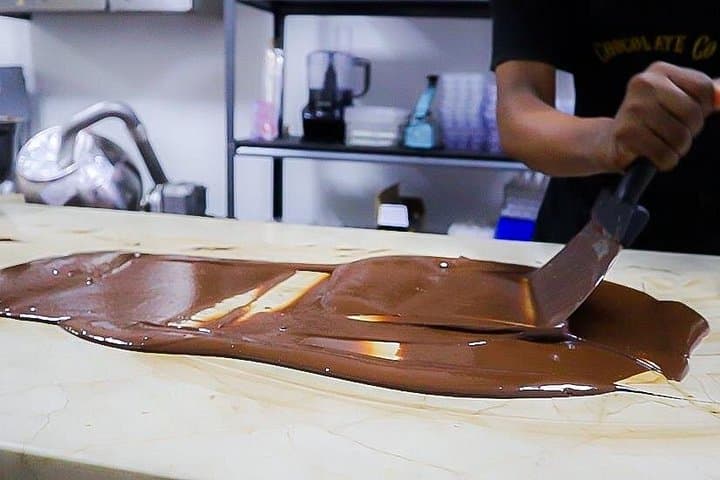
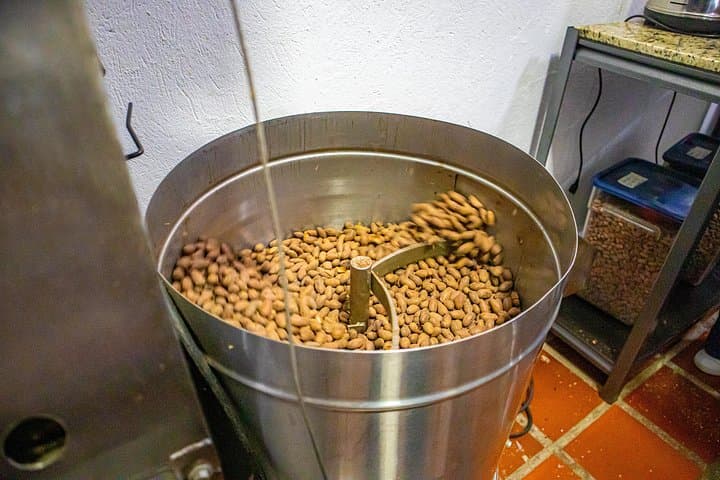
Expect hands-on stations: tasting raw nibs, watching a roaster turn pale beans into brown, learning tempering technique and decorating bars or truffles. Staff explain flavor differences and common faults to avoid, and you take home the items you make along with practical tips to recreate tempering at home.
Practical notes: the experience is private and lasts about 105 minutes; comfortable, stain-friendly clothing is advised. It’s accessible for beginners but not suitable for people with chocolate allergies. Public transport reaches the neighborhood, and workshops often provide snacks made from the batch you help produce. Leave room in your luggage — there’s usually chocolate worth taking home.
easy.
1.5–2 hours.
Minimal physical exertion; suitable for most adults and older children with supervision
Yes—children can participate but should be supervised; some techniques (hot tempering) are handled by instructors.
No—this experience is not recommended for anyone with chocolate or tree-nut allergies due to cross-contact risks.
Yes—bars, bonbons and truffles produced during the workshop are included and provided as snacks to take home.
Workshops in Cartagena are commonly offered in Spanish; check the listing for English-language availability or request an English-speaking guide when booking.
Cacao has been cultivated on Colombia’s Caribbean lowlands for centuries; Cartagena served as a colonial export hub connecting local producers to Atlantic markets.
Many local producers emphasize agroforestry and shade-grown cacao to preserve soil and biodiversity; support workshops that source beans with clear traceability and fair prices.
Local Colombia operates guided outdoor trips and adventures with an emphasis on safety, stewardship, and memorable experiences.
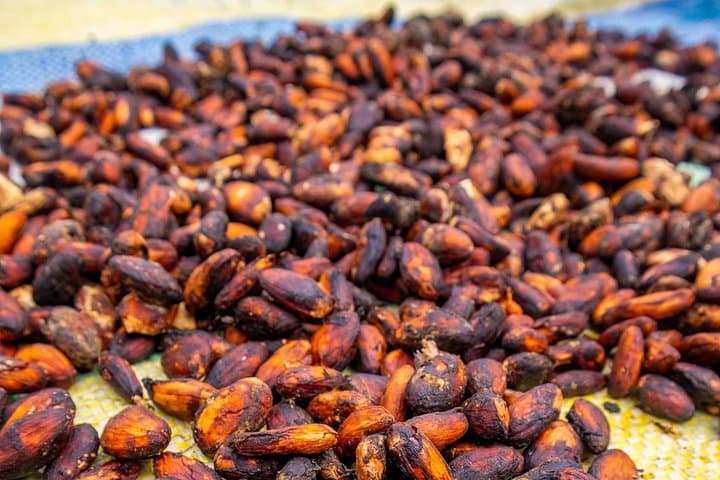
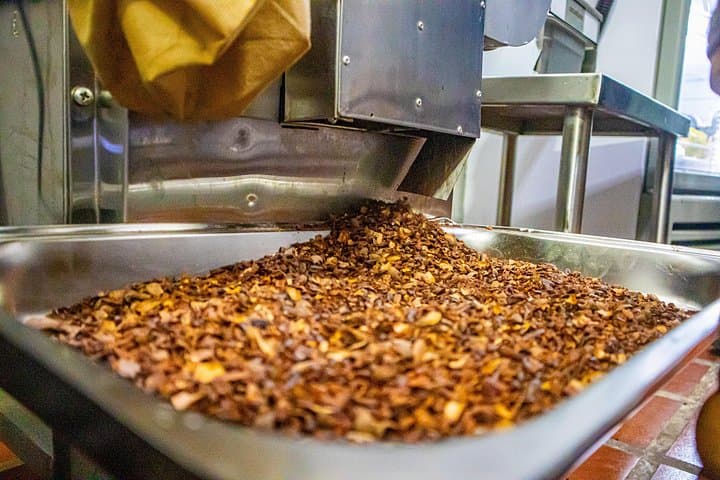
You step inside a bright workshop in Cartagena and the first scent that hits you is warm cocoa — bitter, floral, promising. Machines hum softly; wooden molds and jars of cocoa nibs line the benches. The class begins with the story of the bean: farmers high in the Montes de María bring pods that smell of earth and ripe fruit, and here you follow that raw material through roasting, winnowing, refining, tempering, and finally molding.
You step inside a bright workshop in Cartagena and the first scent that hits you is warm cocoa — bitter, floral, promising. Machines hum softly; wooden molds and jars of cocoa nibs line the benches. The class begins with the story of the bean: farmers high in the Montes de María bring pods that smell of earth and ripe fruit, and here you follow that raw material through roasting, winnowing, refining, tempering, and finally molding.
Cacao’s history in the Caribbean coast is both agricultural and colonial. Cartagena was a major port where cacao and other commodities moved between the hinterland and the Atlantic world; Montes de María’s soils and microclimates produce beans prized for floral and nutty notes. The workshop ties that past to present-day artisanal practice—small-batch, single-origin chocolate and hand-painted cocoa-butter molds reflect a local revival of craft chocolate.
Expect hands-on stations: tasting raw nibs, watching a roaster turn pale beans into brown, learning tempering technique and decorating bars or truffles. Staff explain flavor differences and common faults to avoid, and you take home the items you make along with practical tips to recreate tempering at home.
Practical notes: the experience is private and lasts about 105 minutes; comfortable, stain-friendly clothing is advised. It’s accessible for beginners but not suitable for people with chocolate allergies. Public transport reaches the neighborhood, and workshops often provide snacks made from the batch you help produce. Leave room in your luggage — there’s usually chocolate worth taking home.