THE ADVENTURE COLLECTIVE® · Independent discovery and booking for outdoor travel

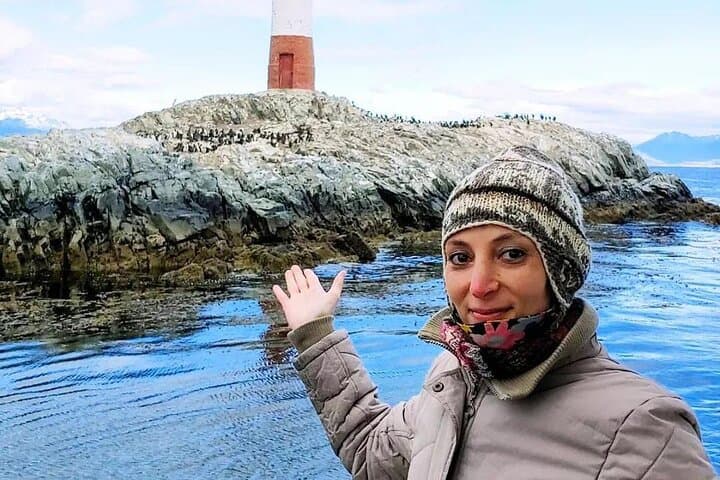
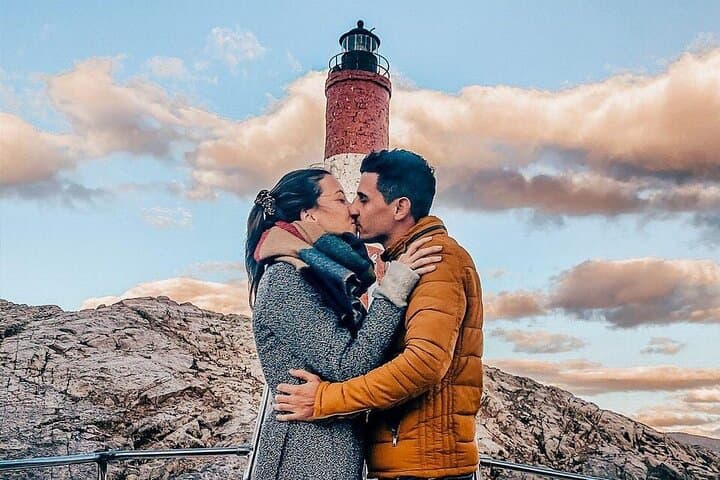
Cross the Beagle Channel from Ushuaia to visit sea lion islands, seabird colonies, and the Les Eclaireurs Lighthouse. Seasonal landings let you hike to panoramic viewpoints and, from October to April, observe large Magellanic penguin colonies.
Cross the Beagle Channel from Ushuaia to visit sea lion islands, seabird colonies, and the Les Eclaireurs Lighthouse. Seasonal landings let you hike to panoramic viewpoints and, from October to April, observe large Magellanic penguin colonies.
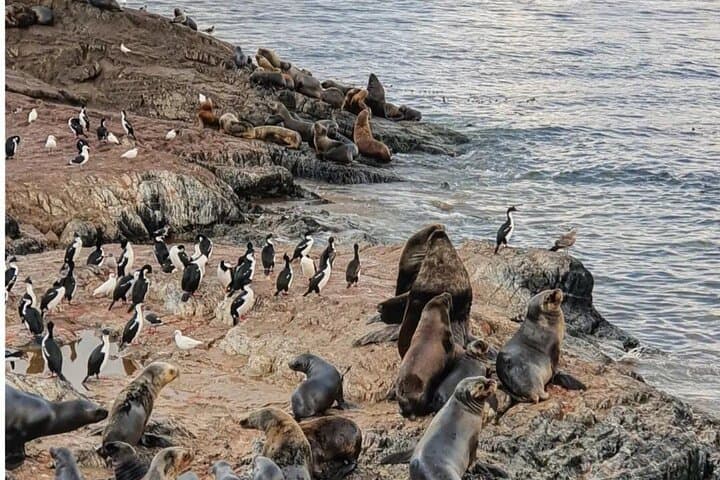
The boat eases out of Ushuaia harbor and the Beagle Channel opens like a cold, wide throat—wind cutting across your jacket, sea birds scolding from rock-strewn islets. The captain threads through bands of kelp and past low cliffs where sea lions haul out, then drops anchor near islands that host penguin colonies in season.
Verified experiences and guided adventures in the surrounding area.
Operated by ParaViajantes Tours · Ushuaia, Tierra del Fuego
The boat eases out of Ushuaia harbor and the Beagle Channel opens like a cold, wide throat—wind cutting across your jacket, sea birds scolding from rock-strewn islets. The captain threads through bands of kelp and past low cliffs where sea lions haul out, then drops anchor near islands that host penguin colonies in season.
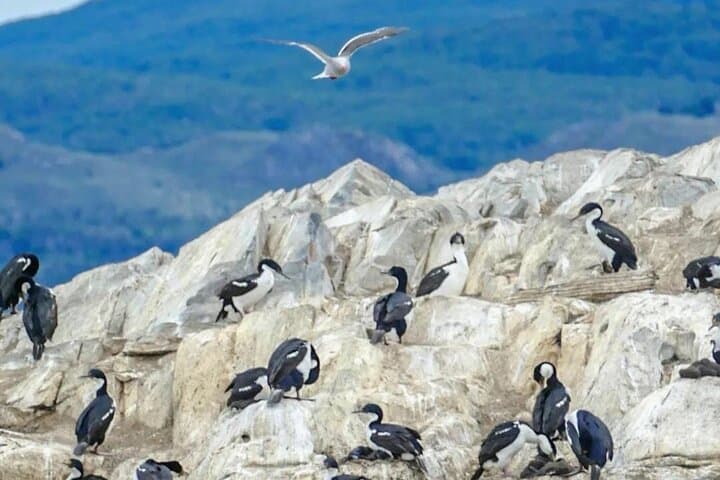
This stretch of water marks the southern edge of the Andes, carved by glaciers and sea; the islands are largely volcanic and glacial till, their stony faces hosting terns, cormorants, and the bold, orange-muzzled sea lions. Human history here is short in comparison: the channel was a 19th-century navigation challenge for explorers and later a lifeline connecting Ushuaia to wider Patagonia. Local culture is shaped by maritime traditions—fishermen, guides, and dockworkers who read weather like a language.
Depending on timing, you may land at Bridges Islands for a short hike to a panoramic point overlooking the city and icy fjords; between October and April, thousands of Magellanic penguins can fill beaches and bob in the surf. Out of season the islands still offer strong wildlife viewing from the boat.
Practical notes: dress windproof layers, bring binoculars and a waterproof outer shell, and expect 4–5 hours away from the pier. Seas can be choppy; those prone to motion sickness should prepare. Guides are bilingual and tours often limit group size for viewing. Photographers will appreciate the low, sharp light of the far south—plan for shifting weather and keep a dry bag for gear.
easy.
4–5 hours.
Suitable for most fitness levels; minimal walking required if you remain on board, short, easy hikes possible during landings.
Penguin season runs roughly October through April; peak numbers are usually between November and March, though sightings outside that window are unlikely.
Depending on weather and itinerary, tours may land on Bridges Islands for a short hike; some viewing points are by boat only.
Yes—this tour is rated easy and suitable for most ages, but check medical restrictions for those with heart or spinal issues.
Tours commonly provide bilingual guides (Spanish and English) as noted in the inclusions.
The Beagle Channel became an important navigation route in the 19th century; Ushuaia grew around maritime industries and later tourism tied to Antarctic access.
Wildlife viewing is regulated to minimize disturbance to colonies; stay on marked paths during landings and follow guide instructions to protect breeding sites.
ParaViajantes Tours operates guided outdoor trips and adventures with an emphasis on safety, stewardship, and memorable experiences.
The boat eases out of Ushuaia harbor and the Beagle Channel opens like a cold, wide throat—wind cutting across your jacket, sea birds scolding from rock-strewn islets. The captain threads through bands of kelp and past low cliffs where sea lions haul out, then drops anchor near islands that host penguin colonies in season.
The boat eases out of Ushuaia harbor and the Beagle Channel opens like a cold, wide throat—wind cutting across your jacket, sea birds scolding from rock-strewn islets. The captain threads through bands of kelp and past low cliffs where sea lions haul out, then drops anchor near islands that host penguin colonies in season.
This stretch of water marks the southern edge of the Andes, carved by glaciers and sea; the islands are largely volcanic and glacial till, their stony faces hosting terns, cormorants, and the bold, orange-muzzled sea lions. Human history here is short in comparison: the channel was a 19th-century navigation challenge for explorers and later a lifeline connecting Ushuaia to wider Patagonia. Local culture is shaped by maritime traditions—fishermen, guides, and dockworkers who read weather like a language.
Depending on timing, you may land at Bridges Islands for a short hike to a panoramic point overlooking the city and icy fjords; between October and April, thousands of Magellanic penguins can fill beaches and bob in the surf. Out of season the islands still offer strong wildlife viewing from the boat.
Practical notes: dress windproof layers, bring binoculars and a waterproof outer shell, and expect 4–5 hours away from the pier. Seas can be choppy; those prone to motion sickness should prepare. Guides are bilingual and tours often limit group size for viewing. Photographers will appreciate the low, sharp light of the far south—plan for shifting weather and keep a dry bag for gear.