THE ADVENTURE COLLECTIVE® · Independent discovery and booking for outdoor travel

Walk Beacon Hill with a local photographer-guide to see 50 Underground Railroad sites, from the first Black public schoolhouse to abolitionist landmarks. This 90–120 minute tour blends history and composition tips for photographers of all levels.
Walk Beacon Hill with a local photographer-guide to see 50 Underground Railroad sites, from the first Black public schoolhouse to abolitionist landmarks. This 90–120 minute tour blends history and composition tips for photographers of all levels.
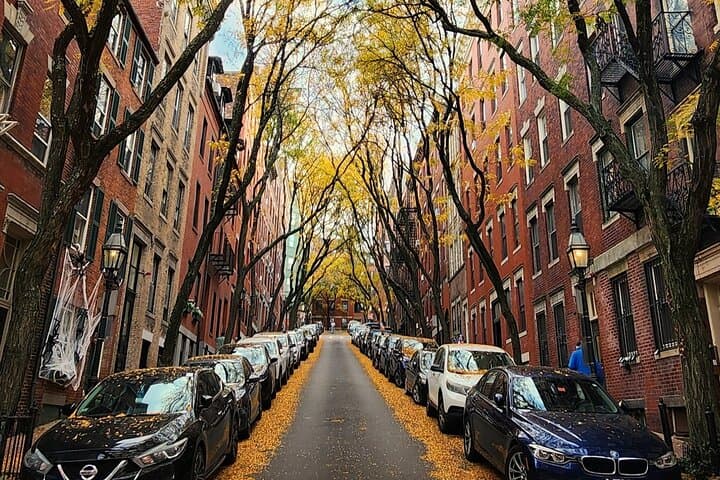
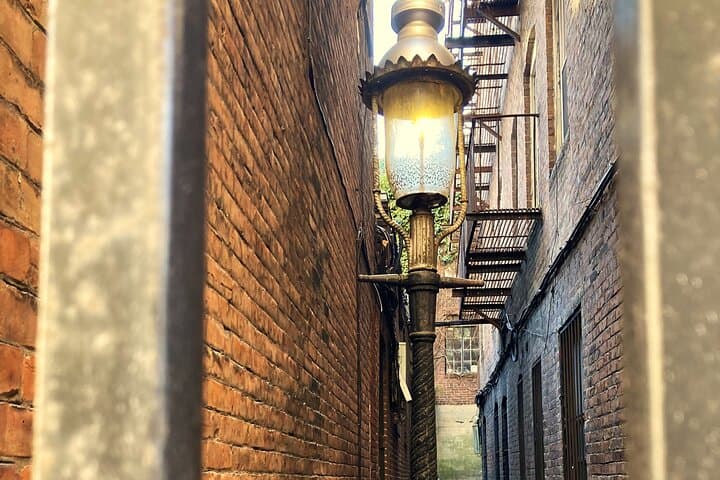
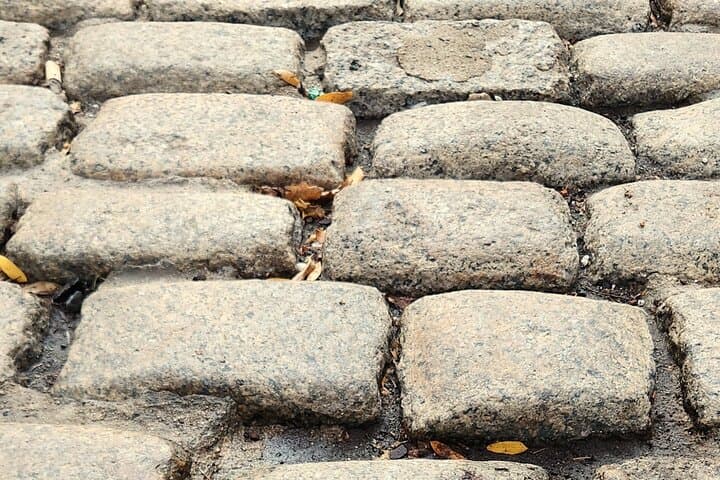
Morning light slices across Beacon Hill's narrow streets as a small group gathers by the Robert Gould Shaw memorial. Cobbles glint underfoot, brownstones stand watch, and the guide lifts a camera to frame a doorway where history once unfolded. This is a walking photo tour that places the Underground Railroad's Boston chapter into the city's lived-in textures: stoops, schoolhouses, and hidden alleys.
Verified experiences and guided adventures in the surrounding area.
Operated by Beacon Hill Backstage · Boston, Massachusetts
Morning light slices across Beacon Hill's narrow streets as a small group gathers by the Robert Gould Shaw memorial. Cobbles glint underfoot, brownstones stand watch, and the guide lifts a camera to frame a doorway where history once unfolded. This is a walking photo tour that places the Underground Railroad's Boston chapter into the city's lived-in textures: stoops, schoolhouses, and hidden alleys.
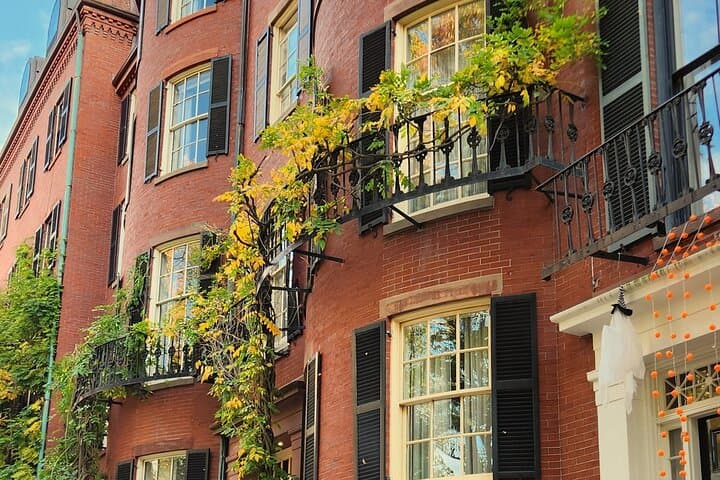
Boston's role in abolitionism is concrete and urgent here. The neighborhood's wealthy and working-class residents intersected with activists like Lewis Hayden; Boston was an early battleground for school desegregation in 1855. Architecturally, Beacon Hill preserves Federal- and Greek-Revival facades whose granite and brick tell a story of 19th-century urban life more than geology—yet the street grid channels wind and light in ways that reward photographers.
Culturally, the walk connects abolitionist politics to modern civic memory: plaques, small museums, and the African Meeting House up the hill map a narrative of resistance and community.
Practical guidance: expect 1.5–2 hours of steady walking over uneven cobbles and occasional steps. Wear supportive shoes and bring a mid-range zoom lens or phone with optical stabilization; light can be high-contrast between narrow streets and open squares. The guide provides local context and photo composition tips, and frequent stops allow time to absorb each site. Public transit access is excellent — the tour starts at Beacon & Park St — and early bookings are recommended for smaller groups. Respect private property, keep voices down in residential areas, and charge batteries: history and good light wait for no one.
moderate.
1.5–2 hours.
Comfortable walking ability with the capacity for short standing talks; moderate fitness recommended due to uneven terrain.
Meet in front of the Robert Gould Shaw Memorial at the corner of Beacon St. & Park St.; the tour returns to the same meeting point.
Infants and small children can ride in a pram or stroller, but expect uneven surfaces—sturdy wheels are recommended.
Yes—photography is encouraged. The guide offers framing tips, but please respect residents and private property when shooting.
Full refunds are available if you cancel at least 24 hours before the scheduled departure; check the booking confirmation for details.
Beacon Hill was a center for abolitionist organizing; notable residents and meeting places connected local networks to the broader Underground Railroad and early school desegregation efforts.
The neighborhood is historically protected—stay on sidewalks, avoid touching fragile ironwork, and support local businesses to help maintain preservation efforts.
Beacon Hill Backstage operates guided outdoor trips and adventures with an emphasis on safety, stewardship, and memorable experiences.
Morning light slices across Beacon Hill's narrow streets as a small group gathers by the Robert Gould Shaw memorial. Cobbles glint underfoot, brownstones stand watch, and the guide lifts a camera to frame a doorway where history once unfolded. This is a walking photo tour that places the Underground Railroad's Boston chapter into the city's lived-in textures: stoops, schoolhouses, and hidden alleys.
Morning light slices across Beacon Hill's narrow streets as a small group gathers by the Robert Gould Shaw memorial. Cobbles glint underfoot, brownstones stand watch, and the guide lifts a camera to frame a doorway where history once unfolded. This is a walking photo tour that places the Underground Railroad's Boston chapter into the city's lived-in textures: stoops, schoolhouses, and hidden alleys.
Boston's role in abolitionism is concrete and urgent here. The neighborhood's wealthy and working-class residents intersected with activists like Lewis Hayden; Boston was an early battleground for school desegregation in 1855. Architecturally, Beacon Hill preserves Federal- and Greek-Revival facades whose granite and brick tell a story of 19th-century urban life more than geology—yet the street grid channels wind and light in ways that reward photographers.
Culturally, the walk connects abolitionist politics to modern civic memory: plaques, small museums, and the African Meeting House up the hill map a narrative of resistance and community.
Practical guidance: expect 1.5–2 hours of steady walking over uneven cobbles and occasional steps. Wear supportive shoes and bring a mid-range zoom lens or phone with optical stabilization; light can be high-contrast between narrow streets and open squares. The guide provides local context and photo composition tips, and frequent stops allow time to absorb each site. Public transit access is excellent — the tour starts at Beacon & Park St — and early bookings are recommended for smaller groups. Respect private property, keep voices down in residential areas, and charge batteries: history and good light wait for no one.