THE ADVENTURE COLLECTIVE® · Independent discovery and booking for outdoor travel

Learn hands-on pier crabbing on a guided Bay Area outing that mixes Salty’s custom traps with an active rod-and-reel snare technique. Expect tide strategy, species ID, and a six-hour, practical lesson in harvesting crabs for dinner.
Learn hands-on pier crabbing on a guided Bay Area outing that mixes Salty’s custom traps with an active rod-and-reel snare technique. Expect tide strategy, species ID, and a six-hour, practical lesson in harvesting crabs for dinner.
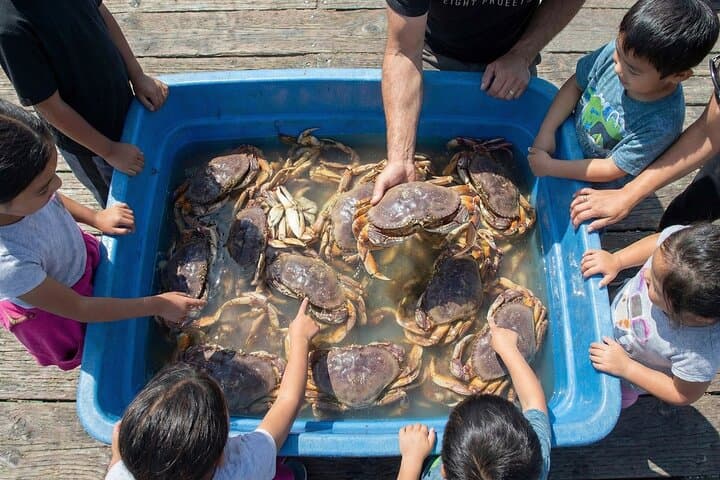
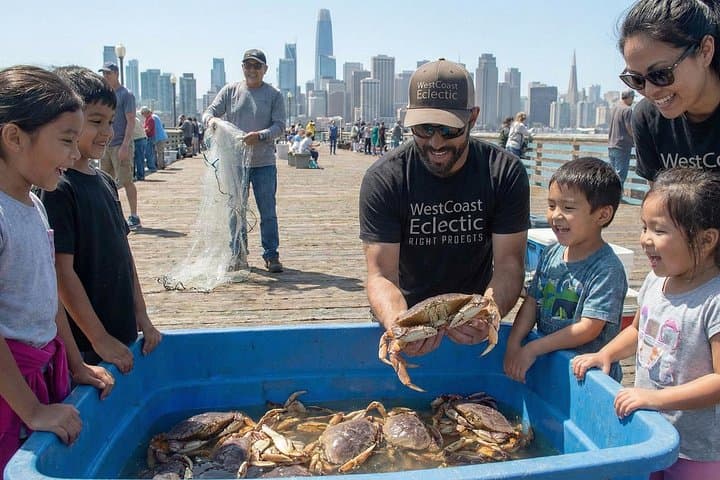
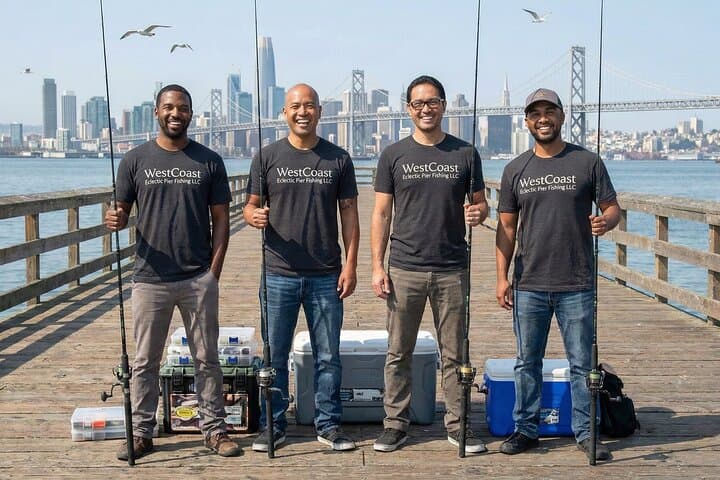
The pier thrums with the Bay’s rush — gulls calling, salt spray stinging, and the tug of something heavy at the end of the line. Under the gray sweep of the San Francisco sky you’ll work Salty’s custom traps and practice the rod-and-reel snare that turns crabbing from waiting into a hands-on skill. The lesson moves between patient physics and quick reflex: feel the crab, set the snare, and pull a weighty prize into daylight.
Verified experiences and guided adventures in the surrounding area.
Operated by Westcoast Eclectic Pier Fishing · San Francisco, California
The pier thrums with the Bay’s rush — gulls calling, salt spray stinging, and the tug of something heavy at the end of the line. Under the gray sweep of the San Francisco sky you’ll work Salty’s custom traps and practice the rod-and-reel snare that turns crabbing from waiting into a hands-on skill. The lesson moves between patient physics and quick reflex: feel the crab, set the snare, and pull a weighty prize into daylight.
Crabbing on Bay piers ties to a long local relationship with the sea; commercial fisheries shaped waterfront neighborhoods and the rules that keep harvests healthy. Geology and currents in the bay send scent and food along predictable channels — the very patterns instructors teach you to read. On a practical level you’ll learn species ID (Dungeness vs. rock crab), how to sex and measure legally, and why commercial pots sometimes fail compared with hand-built designs.
Culturally the outing is a short, working-class rite: neighbors trading bait tips and the occasional heroics of cleaning a fresh crustacean for dinner. Expect an active six hours on exposed piers, salt wind that pushes at layers, and hands that get pleasantly gritty with bait and shell.
Practical guidance: wear sturdy, closed-toe shoes and layered windproof clothing, bring a waterproof pack for electronics, and hydrate — long tides and repeated hauling are deceptively tiring. The operator provides all gear and bait and emphasizes sustainable, legal harvest; pay attention to size and sex rules taught on-site to ensure your haul goes from pier to plate the right way.
moderate.
6 hours.
Moderate: comfortable standing, lifting 10–30 lb traps, and walking short pier distances repeatedly
The tour listing notes ‘No license required’ for participants; the operator provides gear and guides legal harvest practices — confirm specifics with the provider before booking.
Yes, if crabs meet local size and sex regulations taught on-site; the guide will measure and advise which crabs are legal to keep.
The tour is family-friendly but requires moderate mobility and safe footing on piers; children should be closely supervised during handling and hauling.
The operator’s cancellation policy allows refunds if weather makes the tour unsafe; dress in layers and expect rescheduling in high wind or heavy rain.
San Francisco’s pier culture grew with 19th–20th century commerce; recreational crabbing evolved alongside commercial fisheries and local seafood markets.
Guides emphasize size and sex rules and selective harvesting to keep populations sustainable; avoid dragging traps across sensitive intertidal habitat to reduce impact.
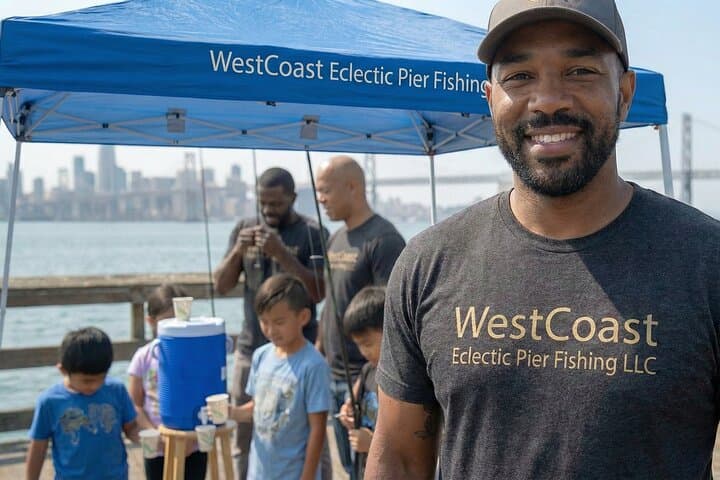
Westcoast Eclectic Pier Fishing operates guided outdoor trips and adventures with an emphasis on safety, stewardship, and memorable experiences.
The pier thrums with the Bay’s rush — gulls calling, salt spray stinging, and the tug of something heavy at the end of the line. Under the gray sweep of the San Francisco sky you’ll work Salty’s custom traps and practice the rod-and-reel snare that turns crabbing from waiting into a hands-on skill. The lesson moves between patient physics and quick reflex: feel the crab, set the snare, and pull a weighty prize into daylight.
The pier thrums with the Bay’s rush — gulls calling, salt spray stinging, and the tug of something heavy at the end of the line. Under the gray sweep of the San Francisco sky you’ll work Salty’s custom traps and practice the rod-and-reel snare that turns crabbing from waiting into a hands-on skill. The lesson moves between patient physics and quick reflex: feel the crab, set the snare, and pull a weighty prize into daylight.
Crabbing on Bay piers ties to a long local relationship with the sea; commercial fisheries shaped waterfront neighborhoods and the rules that keep harvests healthy. Geology and currents in the bay send scent and food along predictable channels — the very patterns instructors teach you to read. On a practical level you’ll learn species ID (Dungeness vs. rock crab), how to sex and measure legally, and why commercial pots sometimes fail compared with hand-built designs.
Culturally the outing is a short, working-class rite: neighbors trading bait tips and the occasional heroics of cleaning a fresh crustacean for dinner. Expect an active six hours on exposed piers, salt wind that pushes at layers, and hands that get pleasantly gritty with bait and shell.
Practical guidance: wear sturdy, closed-toe shoes and layered windproof clothing, bring a waterproof pack for electronics, and hydrate — long tides and repeated hauling are deceptively tiring. The operator provides all gear and bait and emphasizes sustainable, legal harvest; pay attention to size and sex rules taught on-site to ensure your haul goes from pier to plate the right way.