THE ADVENTURE COLLECTIVE® · Independent discovery and booking for outdoor travel

Stroll from Marienplatz into the lively Viktualienmarkt on a guided two-hour tasting of Bavarian staples—Leberkäse, Brezn, regional cheeses and seasonal pastries. This concise guide explains what to expect, a bit of history, and practical tips to make the most of the market experience.
Stroll from Marienplatz into the lively Viktualienmarkt on a guided two-hour tasting of Bavarian staples—Leberkäse, Brezn, regional cheeses and seasonal pastries. This concise guide explains what to expect, a bit of history, and practical tips to make the most of the market experience.
The group gathers on Marienplatz, the city’s square humming with tram bells and conversation, then moves with steady steps toward Viktualienmarkt where stalls line narrow lanes and the smell of roasted meats and fresh bread hangs in the air. On this two-hour walking tasting, travelers work their way through seven seasonal tastings—Leberkäse slices, pretzel (Brezn), regional cheeses, fish specialties and pastries—each bite a practical lesson in Bavarian flavors.
Verified experiences and guided adventures in the surrounding area.
Operated by munich walk tours Ralph Luenstroth · Munich, Bavaria
The group gathers on Marienplatz, the city’s square humming with tram bells and conversation, then moves with steady steps toward Viktualienmarkt where stalls line narrow lanes and the smell of roasted meats and fresh bread hangs in the air. On this two-hour walking tasting, travelers work their way through seven seasonal tastings—Leberkäse slices, pretzel (Brezn), regional cheeses, fish specialties and pastries—each bite a practical lesson in Bavarian flavors.
Viktualienmarkt has sold food from this central plaza since the early 19th century; the market grew out of medieval trade routes that funneled goods from Bavaria’s rural hinterland to Munich’s urban core. Geologically, Munich sits on the glacial plain left by the last Ice Age, which made the surrounding farmland productive and fed the city’s culinary traditions. Culturally, this tour places eating within local rhythms: weekday rushes of office workers, Saturday market crowds, and seasonal stalls that pivot from asparagus and strawberries in spring to smoked sausages and chestnuts in fall.
Practical tips matter: the route is flat and mostly paved, accessible for strollers and wheelchairs, but expect standing at some stalls. The guide narrates each tasting and handles purchases, so bring cash or card, and flag dietary needs when booking. Timing your visit early limits crowds; mid-morning on a weekday offers the clearest chance to hear vendors and savor samples. Comfortable shoes, a refillable bottle and an appetite are the essentials—the market will do the rest, daring you to taste Munich’s food culture one stall at a time.
easy.
2–2.5 hours.
Suitable for most fitness levels; involves standing and short walks on paved surfaces.
Yes—this tasting tour includes the seven seasonal samples described; the guide arranges tastings and explains each item.
Vegetarian options are available; indicate allergies or dietary needs when booking so the guide can accommodate you.
Meet at Marienplatz; the route and market are wheelchair and stroller accessible with mostly paved surfaces and short, level distances.
Group sizes vary but shared tours typically host up to 20 people, allowing interaction without being overcrowded.
Viktualienmarkt began as a farmers’ market in the early 1800s and evolved into Munich’s central food hub, reflecting the city’s agricultural connections to Bavaria’s plains.
Vendors increasingly use local, seasonal produce and reduced-packaging practices; visitors can support sustainability by choosing vendors with minimal plastic and using reusable containers.
munich walk tours Ralph Luenstroth operates guided outdoor trips and adventures with an emphasis on safety, stewardship, and memorable experiences.
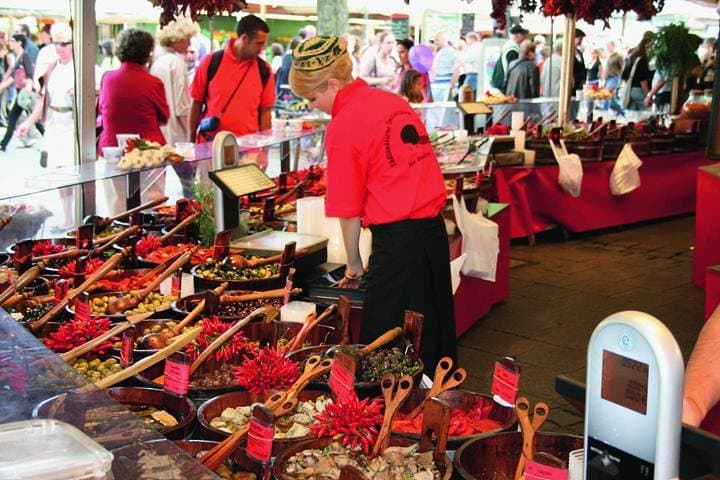
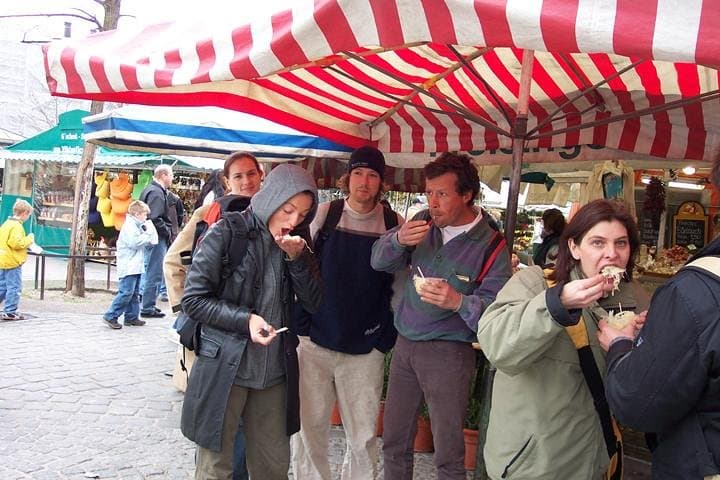
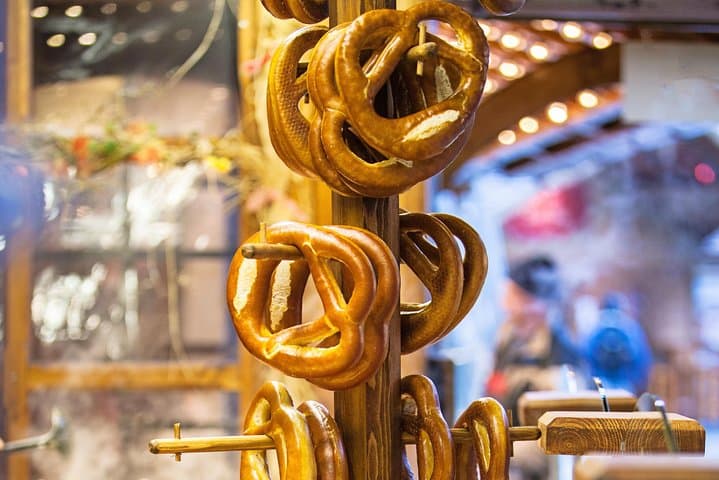
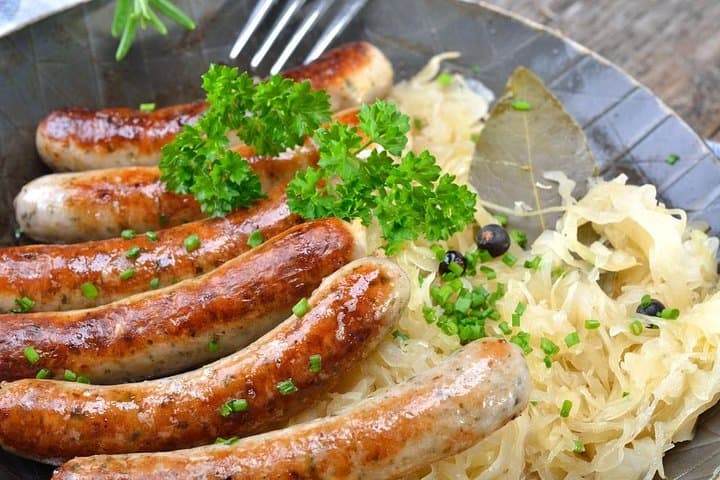
The group gathers on Marienplatz, the city’s square humming with tram bells and conversation, then moves with steady steps toward Viktualienmarkt where stalls line narrow lanes and the smell of roasted meats and fresh bread hangs in the air. On this two-hour walking tasting, travelers work their way through seven seasonal tastings—Leberkäse slices, pretzel (Brezn), regional cheeses, fish specialties and pastries—each bite a practical lesson in Bavarian flavors.
The group gathers on Marienplatz, the city’s square humming with tram bells and conversation, then moves with steady steps toward Viktualienmarkt where stalls line narrow lanes and the smell of roasted meats and fresh bread hangs in the air. On this two-hour walking tasting, travelers work their way through seven seasonal tastings—Leberkäse slices, pretzel (Brezn), regional cheeses, fish specialties and pastries—each bite a practical lesson in Bavarian flavors.
Viktualienmarkt has sold food from this central plaza since the early 19th century; the market grew out of medieval trade routes that funneled goods from Bavaria’s rural hinterland to Munich’s urban core. Geologically, Munich sits on the glacial plain left by the last Ice Age, which made the surrounding farmland productive and fed the city’s culinary traditions. Culturally, this tour places eating within local rhythms: weekday rushes of office workers, Saturday market crowds, and seasonal stalls that pivot from asparagus and strawberries in spring to smoked sausages and chestnuts in fall.
Practical tips matter: the route is flat and mostly paved, accessible for strollers and wheelchairs, but expect standing at some stalls. The guide narrates each tasting and handles purchases, so bring cash or card, and flag dietary needs when booking. Timing your visit early limits crowds; mid-morning on a weekday offers the clearest chance to hear vendors and savor samples. Comfortable shoes, a refillable bottle and an appetite are the essentials—the market will do the rest, daring you to taste Munich’s food culture one stall at a time.