THE ADVENTURE COLLECTIVE® · Independent discovery and booking for outdoor travel

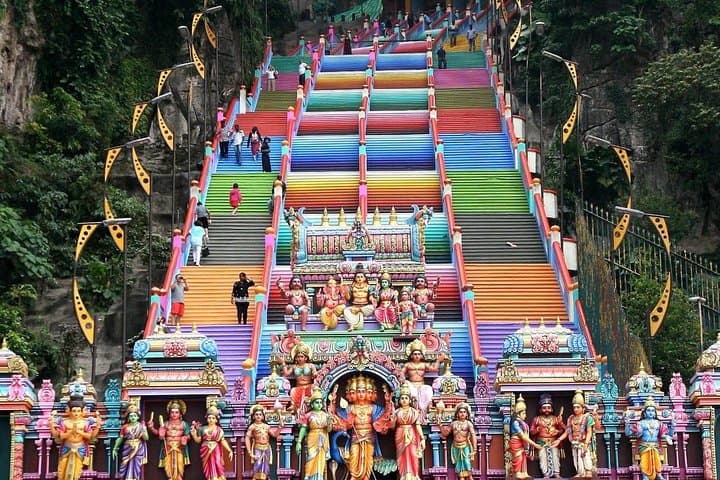
Ascend the 272 steps to Temple Cave, pass under the world’s tallest Murugan statue, and explore limestone caverns that double as active Hindu shrines and climbing crags. This short tour pairs cultural insight with dramatic karst geology a short drive from Kuala Lumpur.
Ascend the 272 steps to Temple Cave, pass under the world’s tallest Murugan statue, and explore limestone caverns that double as active Hindu shrines and climbing crags. This short tour pairs cultural insight with dramatic karst geology a short drive from Kuala Lumpur.
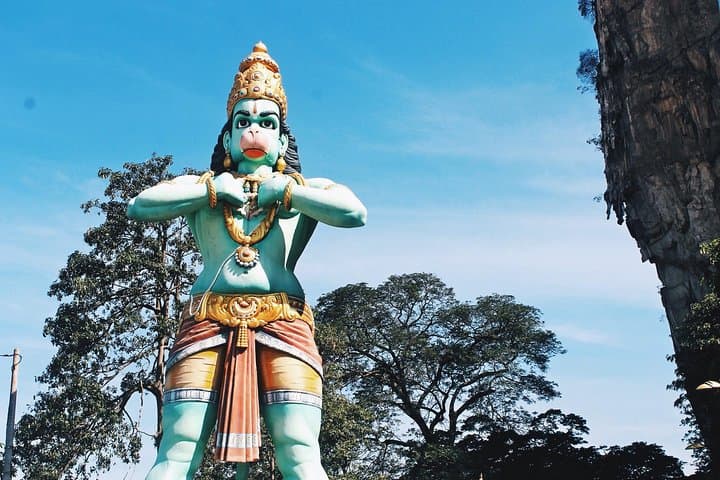
The first step up the painted risers brings the statue of Lord Murugan into closer focus—140 feet of bronze and colour guarding a sheer limestone hill that rises nearly 100 metres above the city. Monkeys thread through railings, pigeons wheel inside the cave mouth, and the humid air smells faintly of incense and rain.
Verified experiences and guided adventures in the surrounding area.
Operated by RIYAS TRAVELER · Batu Caves, Selangor
The first step up the painted risers brings the statue of Lord Murugan into closer focus—140 feet of bronze and colour guarding a sheer limestone hill that rises nearly 100 metres above the city. Monkeys thread through railings, pigeons wheel inside the cave mouth, and the humid air smells faintly of incense and rain.
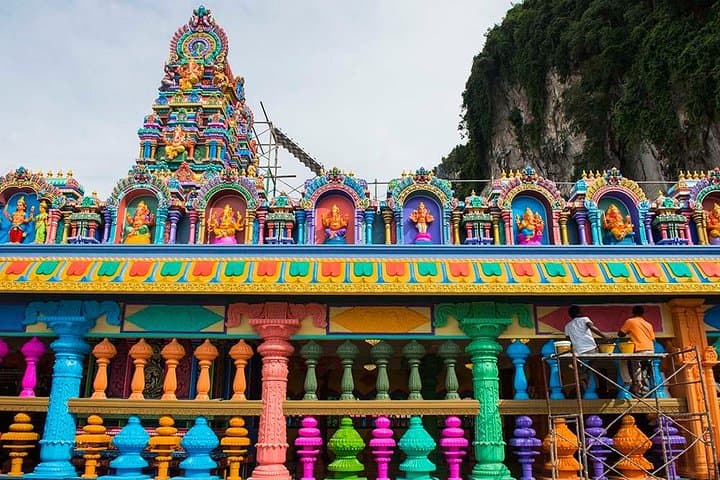
Geology here is old and visible: the limestone is roughly 400 million years old, carved into caverns with high vaulted ceilings and pockets where shrines and murals have been installed. Historically the caves were used by the local Temuan people; later, in the late 19th century, K. Thamboosamy Pillai established the Temple Cave as a place of worship and commissioned the Murugan murti. Today it’s both an active temple and a destination for pilgrims—most notably during Thaipusam—and for climbers who use the Damai crags on the northeastern face.
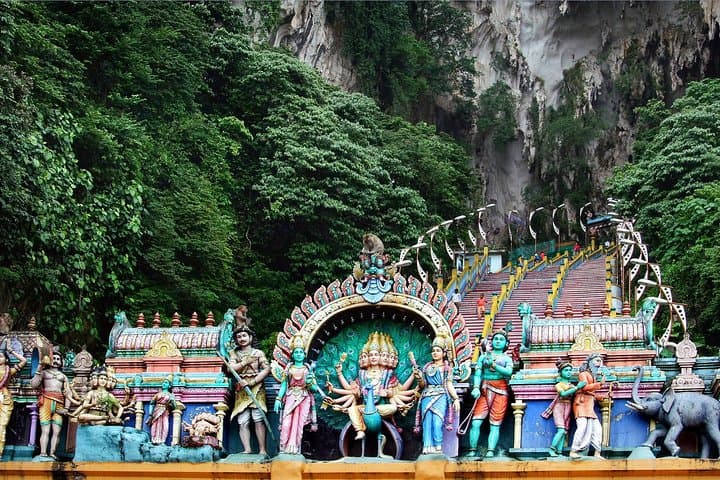
Practically, the site divides into three main caves: Temple (Cathedral) Cave reached by 272 concrete steps, Art Gallery and Museum Cave at the base, and the Ramayana Cave with painted scenes of Rama’s story. Expect 60–90 minutes on a focused visit: pause at shrines, scan the murals, and keep distance from the macaques.
Tips for planning: go early to avoid heat and crowds, cover shoulders and knees inside temple areas, carry water and a light rain layer during monsoon months, and wear shoes with good grip—the steps can be slippery. Climbers should head to the Damai sector with a local guide; day visitors will find the combination of culture, limestone walls, and city skyline a compact, singular experience.
easy.
2 hours.
Suitable for most fitness levels; be able to climb 272 steps and stand for short periods.
General access to Temple (Cathedral) Cave is free; some side attractions or guided experiences may charge a small fee.
Visitors should dress modestly (cover shoulders and knees) and behave respectfully during worship; remove shoes where asked and follow signage.
Long-tailed macaques are not typically aggressive but will snatch food and objects—avoid feeding them and secure belongings.
Yes—Batu Caves is a national climbing area with over 160 routes; climbers should use local guides, bring appropriate gear, and avoid climbing during wet weather.
The limestone outcrop dates to roughly 400 million years and was developed as a Hindu temple site in the late 19th century by K. Thamboosamy Pillai; Thaipusam has been celebrated here since 1892.
Avoid feeding wildlife and stick to marked paths to reduce erosion; respect temple rules and local rituals to minimize cultural impact.
RIYAS TRAVELER operates guided outdoor trips and adventures with an emphasis on safety, stewardship, and memorable experiences.
The first step up the painted risers brings the statue of Lord Murugan into closer focus—140 feet of bronze and colour guarding a sheer limestone hill that rises nearly 100 metres above the city. Monkeys thread through railings, pigeons wheel inside the cave mouth, and the humid air smells faintly of incense and rain.
The first step up the painted risers brings the statue of Lord Murugan into closer focus—140 feet of bronze and colour guarding a sheer limestone hill that rises nearly 100 metres above the city. Monkeys thread through railings, pigeons wheel inside the cave mouth, and the humid air smells faintly of incense and rain.
Geology here is old and visible: the limestone is roughly 400 million years old, carved into caverns with high vaulted ceilings and pockets where shrines and murals have been installed. Historically the caves were used by the local Temuan people; later, in the late 19th century, K. Thamboosamy Pillai established the Temple Cave as a place of worship and commissioned the Murugan murti. Today it’s both an active temple and a destination for pilgrims—most notably during Thaipusam—and for climbers who use the Damai crags on the northeastern face.
Practically, the site divides into three main caves: Temple (Cathedral) Cave reached by 272 concrete steps, Art Gallery and Museum Cave at the base, and the Ramayana Cave with painted scenes of Rama’s story. Expect 60–90 minutes on a focused visit: pause at shrines, scan the murals, and keep distance from the macaques.
Tips for planning: go early to avoid heat and crowds, cover shoulders and knees inside temple areas, carry water and a light rain layer during monsoon months, and wear shoes with good grip—the steps can be slippery. Climbers should head to the Damai sector with a local guide; day visitors will find the combination of culture, limestone walls, and city skyline a compact, singular experience.