THE ADVENTURE COLLECTIVE® · Independent discovery and booking for outdoor travel

Scale 272 steps beside a towering Murugan statue to reach cavern temples carved into 400‑million‑year‑old limestone. This short tour mixes geology, Hindu ritual, and urban skyline views just north of Kuala Lumpur.
Scale 272 steps beside a towering Murugan statue to reach cavern temples carved into 400‑million‑year‑old limestone. This short tour mixes geology, Hindu ritual, and urban skyline views just north of Kuala Lumpur.
You arrive at the base of a 42.7‑metre statue that watches over a steep sweep of 272 steps. Heat presses on the limestone, and macaques regard you with casual curiosity as you begin the climb; from halfway up the city skyline peeks between the craggy outcrops and temple roofs, drawing the eye back toward Kuala Lumpur.
Verified experiences and guided adventures in the surrounding area.
Operated by RIYAS ADVENTURE TIME · Batu Caves, Selangor
You arrive at the base of a 42.7‑metre statue that watches over a steep sweep of 272 steps. Heat presses on the limestone, and macaques regard you with casual curiosity as you begin the climb; from halfway up the city skyline peeks between the craggy outcrops and temple roofs, drawing the eye back toward Kuala Lumpur.
Batu Caves sits on a 400‑million‑year‑old limestone outcrop in Gombak, north of the city. Its main cavity houses Hindu shrines dedicated to Lord Murugan and becomes the focal point each Thaipusam, when processions and kavadi pierce the quiet of the hill. The Ramayana Cave lays out painted scenes of Hindu myth, while the adjacent Dark Cave contains fragile chambers used by biologists studying cave fauna.
Geology explains the place: karst erosion has hollowed chambers and created sharp fluted walls that rock climbers use for sport; culture explains the rituals and the strict dress expectations inside temple spaces.
Practically: allow 60–90 minutes for a focused visit, more if you include Dark Cave guided tours or climbing. Wear sturdy, closed shoes for the polished stairs, carry water, and bring modest clothing or a shawl to cover shoulders and knees for temple access. Keep a firm hand on belongings—monkeys are adept at opening bags—and follow signs; some cave areas are off‑limits to protect formations and wildlife.
A short visit rewards with close cultural encounters, dramatic geology, and a compact view of urban Kuala Lumpur against a living limestone hill.
easy.
1–2 hours.
Light walking ability; able to handle a steep flight of stairs and short periods of standing
Plan 60–90 minutes for the main caves; add at least 1 hour for the guided Dark Cave tour or additional climbing.
Access to the main Temple Cave is free; specialized guided Dark Cave tours and some rock‑climbing areas may charge fees.
They are wild and can be aggressive around food—do not feed them, keep distance, and secure loose items.
Yes, but expect large crowds, road closures, and intense religious activity—arrive very early or join a guided experience for logistics help.
Batu Caves became a major Hindu shrine for Lord Murugan and is the focal point of Malaysia’s Thaipusam celebrations; the limestone is roughly 400 million years old.
Dark Cave is managed with guided tours to protect fragile cave ecosystems—avoid touching formations and don’t feed wildlife.
RIYAS ADVENTURE TIME operates guided outdoor trips and adventures with an emphasis on safety, stewardship, and memorable experiences.

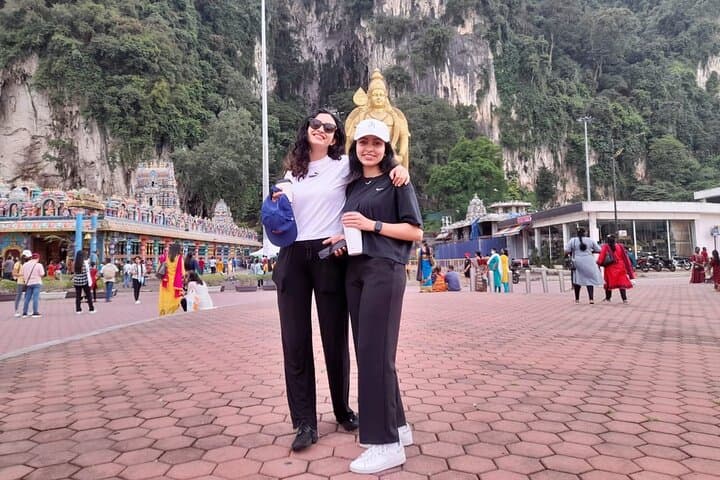

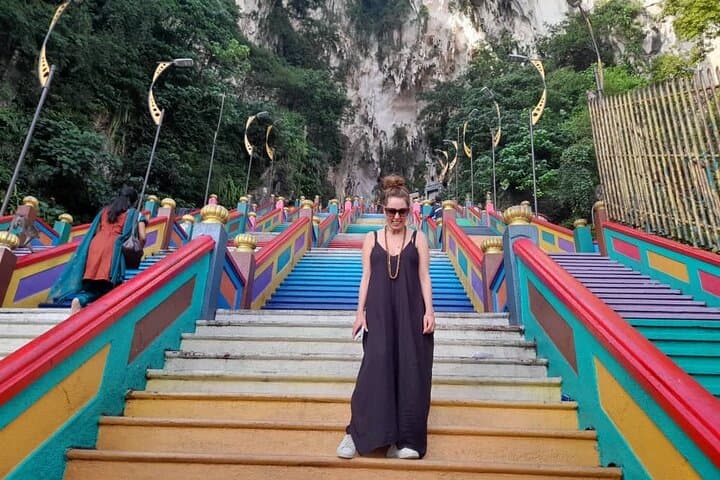
You arrive at the base of a 42.7‑metre statue that watches over a steep sweep of 272 steps. Heat presses on the limestone, and macaques regard you with casual curiosity as you begin the climb; from halfway up the city skyline peeks between the craggy outcrops and temple roofs, drawing the eye back toward Kuala Lumpur.
You arrive at the base of a 42.7‑metre statue that watches over a steep sweep of 272 steps. Heat presses on the limestone, and macaques regard you with casual curiosity as you begin the climb; from halfway up the city skyline peeks between the craggy outcrops and temple roofs, drawing the eye back toward Kuala Lumpur.
Batu Caves sits on a 400‑million‑year‑old limestone outcrop in Gombak, north of the city. Its main cavity houses Hindu shrines dedicated to Lord Murugan and becomes the focal point each Thaipusam, when processions and kavadi pierce the quiet of the hill. The Ramayana Cave lays out painted scenes of Hindu myth, while the adjacent Dark Cave contains fragile chambers used by biologists studying cave fauna.
Geology explains the place: karst erosion has hollowed chambers and created sharp fluted walls that rock climbers use for sport; culture explains the rituals and the strict dress expectations inside temple spaces.
Practically: allow 60–90 minutes for a focused visit, more if you include Dark Cave guided tours or climbing. Wear sturdy, closed shoes for the polished stairs, carry water, and bring modest clothing or a shawl to cover shoulders and knees for temple access. Keep a firm hand on belongings—monkeys are adept at opening bags—and follow signs; some cave areas are off‑limits to protect formations and wildlife.
A short visit rewards with close cultural encounters, dramatic geology, and a compact view of urban Kuala Lumpur against a living limestone hill.