THE ADVENTURE COLLECTIVE® · Independent discovery and booking for outdoor travel

Scale 272 painted steps to enter a vast limestone cathedral that doubles as a living temple and rock-climbing crag. This 90-minute tour combines geology, Hindu ritual, and close-up encounters with bold macaques — arrive early and dress respectfully.
Scale 272 painted steps to enter a vast limestone cathedral that doubles as a living temple and rock-climbing crag. This 90-minute tour combines geology, Hindu ritual, and close-up encounters with bold macaques — arrive early and dress respectfully.
A hot morning light strips the gloss off the concrete steps as you begin the climb: 272 risers that push you up through a chorus of chattering macaques and the scent of incense. At the top, a vaulted cavern opens and the city’s skyline peeks over a limestone rim — an abrupt meeting of jungle-formed rock and urban sprawl.
Verified experiences and guided adventures in the surrounding area.
Operated by RIYAS TRAVELER · Gombak, Selangor
A hot morning light strips the gloss off the concrete steps as you begin the climb: 272 risers that push you up through a chorus of chattering macaques and the scent of incense. At the top, a vaulted cavern opens and the city’s skyline peeks over a limestone rim — an abrupt meeting of jungle-formed rock and urban sprawl.
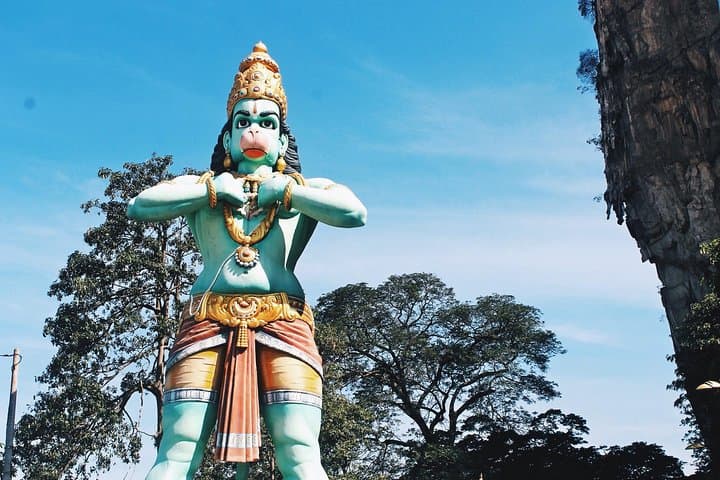
Geology here is blunt and old: the limestone of Batu Caves is roughly 400 million years old, weathered into towers, caverns, and clifftop faces that attracted indigenous Temuan people long before colonial record-keeping. In the late 19th century an Indian trader consecrated the Temple Cave to Lord Murugan; today a 42.7-meter statue marks the approach and Thaipusam, observed in the Tamil month of Thai, turns these stairs into a pilgrimage route.
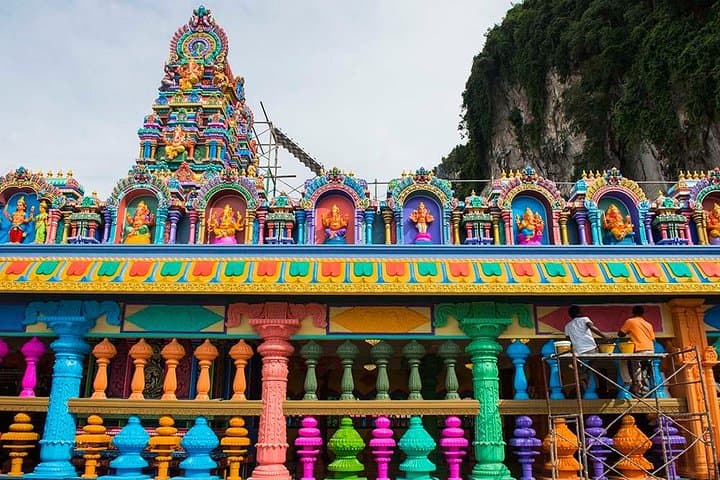
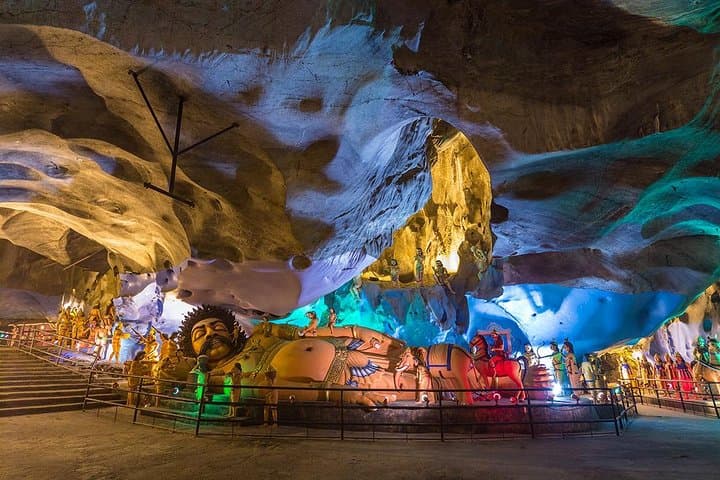
Culture and art are literal fixtures inside: painted reliefs, shrines and the Ramayana Cave’s narrative panels map Hindu epics on uneven rock. Monkeys patrol the base, and sport climbers use the limestone faces — more than 160 established routes — as a training ground.
Practical guidance: the standard guided visit runs about 90 minutes and includes hotel pickup in Kuala Lumpur. Expect lots of stairs, occasional slippery stone in wet weather, and crowds during weekends and Thaipusam. Wear closed shoes with grip, carry water, and dress respectfully (shoulders and knees covered) when entering shrines. Keep belongings zipped — macaques are bold. If you plan to climb beyond the tourist steps, arrange a guide and permit for the Damai crags. Morning visits catch cooler air and softer light; midday brings heat and more visitors.
easy.
1–1.5 hours.
Suitable for most travelers; requires ability to climb 272 stairs and walk on uneven surfaces.
Standard guided visits last about 90 minutes, including hotel pickup and a climb to Temple Cave; plan for extra time during festivals.
The steps are steep but short; people of average fitness complete them without technical ability, though those with mobility issues may find them challenging.
Yes — Batu Caves has established sport routes in the Damai area; climbers should bring equipment, check local access rules, or hire a climbing guide.
Thaipusam usually falls in January or February (Tamil month of Thai); the site becomes a major pilgrimage with limited access and large crowds—expect closures and restricted areas.
Batu Caves grew into a Hindu pilgrimage site after K. Thamboosamy Pillai installed a murti of Lord Murugan in 1890; the Temple Cave has been a focus for Thaipusam since 1892.
Visitor pressure, litter and feeding monkeys are ongoing concerns; stick to marked paths, don’t feed wildlife, and use bins or take waste with you to reduce impact.
RIYAS TRAVELER operates guided outdoor trips and adventures with an emphasis on safety, stewardship, and memorable experiences.
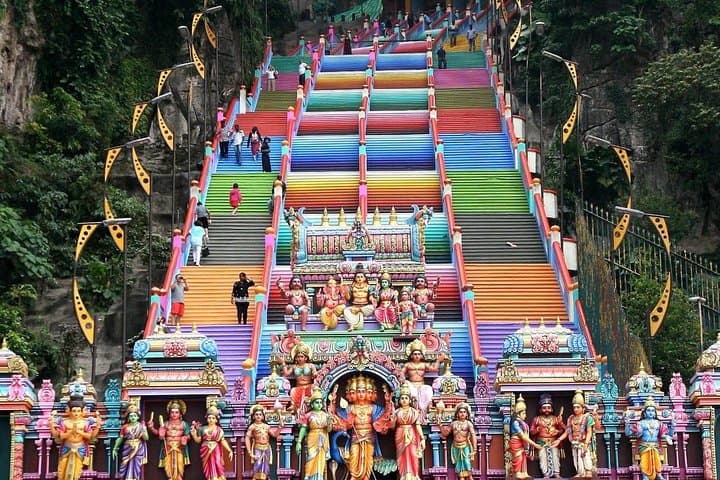
A hot morning light strips the gloss off the concrete steps as you begin the climb: 272 risers that push you up through a chorus of chattering macaques and the scent of incense. At the top, a vaulted cavern opens and the city’s skyline peeks over a limestone rim — an abrupt meeting of jungle-formed rock and urban sprawl.
A hot morning light strips the gloss off the concrete steps as you begin the climb: 272 risers that push you up through a chorus of chattering macaques and the scent of incense. At the top, a vaulted cavern opens and the city’s skyline peeks over a limestone rim — an abrupt meeting of jungle-formed rock and urban sprawl.
Geology here is blunt and old: the limestone of Batu Caves is roughly 400 million years old, weathered into towers, caverns, and clifftop faces that attracted indigenous Temuan people long before colonial record-keeping. In the late 19th century an Indian trader consecrated the Temple Cave to Lord Murugan; today a 42.7-meter statue marks the approach and Thaipusam, observed in the Tamil month of Thai, turns these stairs into a pilgrimage route.
Culture and art are literal fixtures inside: painted reliefs, shrines and the Ramayana Cave’s narrative panels map Hindu epics on uneven rock. Monkeys patrol the base, and sport climbers use the limestone faces — more than 160 established routes — as a training ground.
Practical guidance: the standard guided visit runs about 90 minutes and includes hotel pickup in Kuala Lumpur. Expect lots of stairs, occasional slippery stone in wet weather, and crowds during weekends and Thaipusam. Wear closed shoes with grip, carry water, and dress respectfully (shoulders and knees covered) when entering shrines. Keep belongings zipped — macaques are bold. If you plan to climb beyond the tourist steps, arrange a guide and permit for the Damai crags. Morning visits catch cooler air and softer light; midday brings heat and more visitors.