THE ADVENTURE COLLECTIVE® · Independent discovery and booking for outdoor travel

Combine one of Malaysia’s most iconic Hindu cave temples with a coastal wildlife circuit — monkeys, Brahminy kites and lantern-like fireflies — on a private day tour from Kuala Lumpur. Practical tips cover timing, gear and etiquette for respectful wildlife viewing.
Combine one of Malaysia’s most iconic Hindu cave temples with a coastal wildlife circuit — monkeys, Brahminy kites and lantern-like fireflies — on a private day tour from Kuala Lumpur. Practical tips cover timing, gear and etiquette for respectful wildlife viewing.
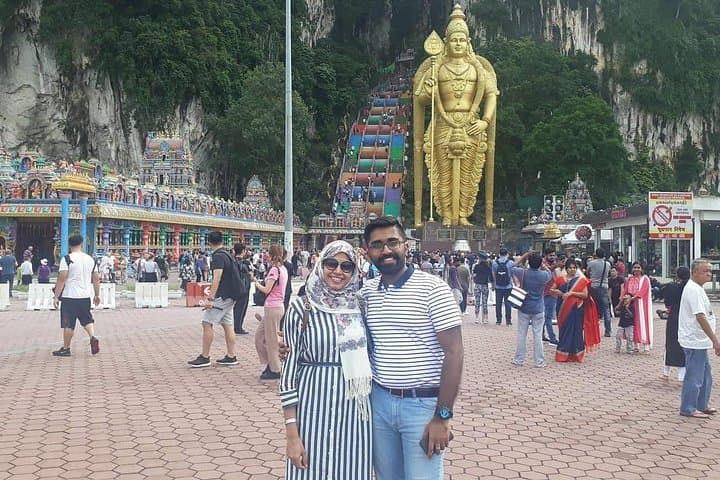
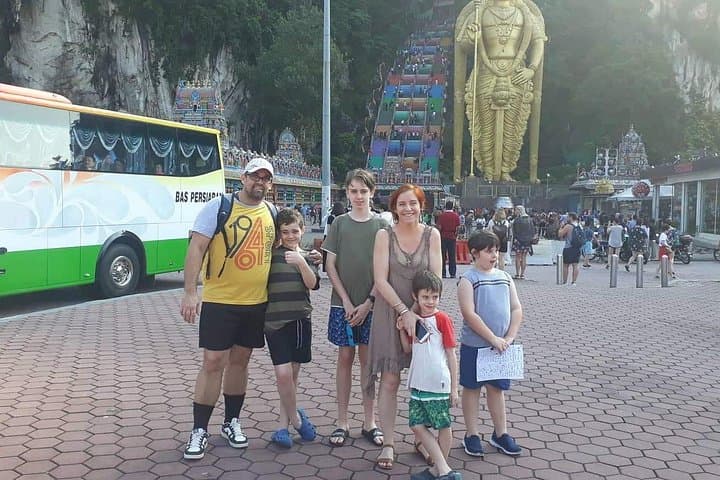
A low sun throws long shadows across the 272 steps as you climb toward the mouth of Batu Caves — limestone ribs cut into the skyline, Hindu shrines bright against bare rock. The air is humid and alive: vendors call, macaques eye your bag, and the statue of Lord Murugan watches over the flow of pilgrims and tourists.
Verified experiences and guided adventures in the surrounding area.
Operated by Razif KL MPV Taxi Services & Tour · Kuala Lumpur, Selangor
A low sun throws long shadows across the 272 steps as you climb toward the mouth of Batu Caves — limestone ribs cut into the skyline, Hindu shrines bright against bare rock. The air is humid and alive: vendors call, macaques eye your bag, and the statue of Lord Murugan watches over the flow of pilgrims and tourists.
This full-day loop links two distinct histories: Batu Caves, a 19th-century focal point for Malaysian Hindus and Thaipusam celebrations, and Bukit Malawati, a coastal hill-fort once used to guard the Straits of Malacca. Geologically, Batu Caves forms from karst limestone; its caverns host cave-adapted life and dramatic stalactite rooms. Bukit Malawati overlooks mangroves that feed nocturnal firefly colonies along the Selangor River.
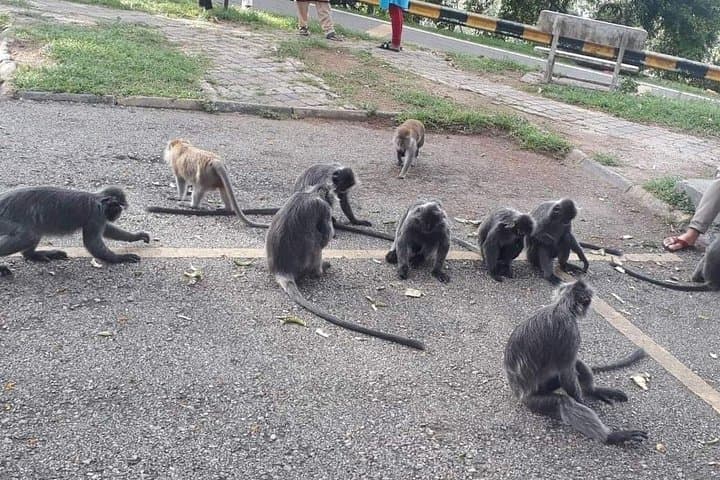
Expect cultural immersion and wildlife encounters: tame but opportunistic silvery lutungs at the hill, Brahminy kites feeding off the river, and at night thousands of fireflies lighting the mangrove canopy like a slow, pulsing lantern.
Practical guidance: wear closed shoes for uneven steps, carry water and insect repellent, and keep valuables secure — monkeys will test pockets. The tour typically includes private transport and bottled water but not boat tickets or dinner; bring cash for small meals at Pasir Penambang. Timing matters: arrive at Batu Caves earlier in the day to beat crowds and save the firefly boat for just after dusk when the insects are most visible. Boats can be choppy; if you’re prone to motion sickness take precautions. Respect wildlife: observe at distance, avoid feeding, and minimize light and noise during the firefly viewing so the insects remain undisturbed.
easy.
6–10 hours.
Light to moderate — able to climb stairs (272 steps), walk short uneven paths and sit through a boat ride.
Boat rides and meals at Pasir Penambang are typically not included; the tour provides private transport and bottled water but plan on cash for optional boat tickets and seafood.
Most silvery lutungs here are habituated to people and not aggressive, but they will snatch food and belongings — never feed them and secure loose items.
Just after dusk on a clear, calm night is best; heavy rain or strong winds reduce visibility and may cancel boat runs.
Yes — operators often allow strollers and lap-sitting infants, but be prepared for stairs at Batu Caves and keep children supervised around wildlife and docks.
Batu Caves became a major Hindu shrine in the late 19th century and is central to Thaipusam; Bukit Malawati served as a coastal defensive outpost during the Selangor sultanate era.
Fireflies depend on healthy mangroves and dark, low-light shorelines; avoid flash photography and excess boat noise. Do not feed or approach monkeys to reduce human-wildlife conflict.
Razif KL MPV Taxi Services & Tour operates guided outdoor trips and adventures with an emphasis on safety, stewardship, and memorable experiences.

A low sun throws long shadows across the 272 steps as you climb toward the mouth of Batu Caves — limestone ribs cut into the skyline, Hindu shrines bright against bare rock. The air is humid and alive: vendors call, macaques eye your bag, and the statue of Lord Murugan watches over the flow of pilgrims and tourists.
A low sun throws long shadows across the 272 steps as you climb toward the mouth of Batu Caves — limestone ribs cut into the skyline, Hindu shrines bright against bare rock. The air is humid and alive: vendors call, macaques eye your bag, and the statue of Lord Murugan watches over the flow of pilgrims and tourists.
This full-day loop links two distinct histories: Batu Caves, a 19th-century focal point for Malaysian Hindus and Thaipusam celebrations, and Bukit Malawati, a coastal hill-fort once used to guard the Straits of Malacca. Geologically, Batu Caves forms from karst limestone; its caverns host cave-adapted life and dramatic stalactite rooms. Bukit Malawati overlooks mangroves that feed nocturnal firefly colonies along the Selangor River.
Expect cultural immersion and wildlife encounters: tame but opportunistic silvery lutungs at the hill, Brahminy kites feeding off the river, and at night thousands of fireflies lighting the mangrove canopy like a slow, pulsing lantern.
Practical guidance: wear closed shoes for uneven steps, carry water and insect repellent, and keep valuables secure — monkeys will test pockets. The tour typically includes private transport and bottled water but not boat tickets or dinner; bring cash for small meals at Pasir Penambang. Timing matters: arrive at Batu Caves earlier in the day to beat crowds and save the firefly boat for just after dusk when the insects are most visible. Boats can be choppy; if you’re prone to motion sickness take precautions. Respect wildlife: observe at distance, avoid feeding, and minimize light and noise during the firefly viewing so the insects remain undisturbed.