THE ADVENTURE COLLECTIVE® · Independent discovery and booking for outdoor travel

Climb the iconic 272 steps to a 100‑metre high Temple Cave, framed by a towering statue of Lord Murugan. This short, immersive tour combines geology, Hindu worship and lively wildlife moments—ideal for a morning visit from Kuala Lumpur.
Climb the iconic 272 steps to a 100‑metre high Temple Cave, framed by a towering statue of Lord Murugan. This short, immersive tour combines geology, Hindu worship and lively wildlife moments—ideal for a morning visit from Kuala Lumpur.
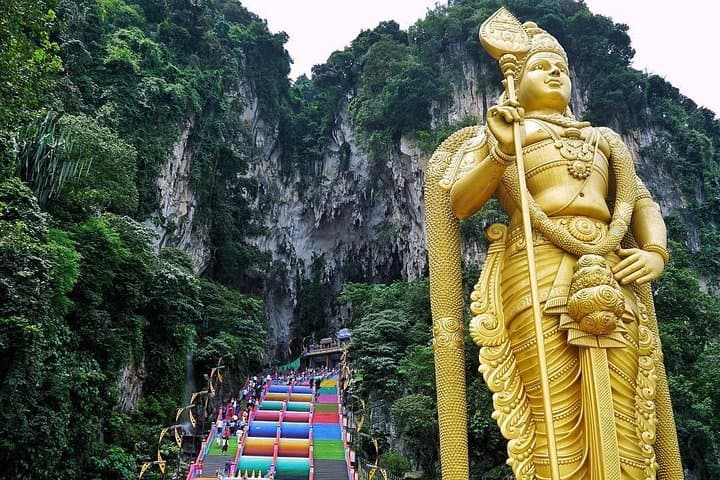
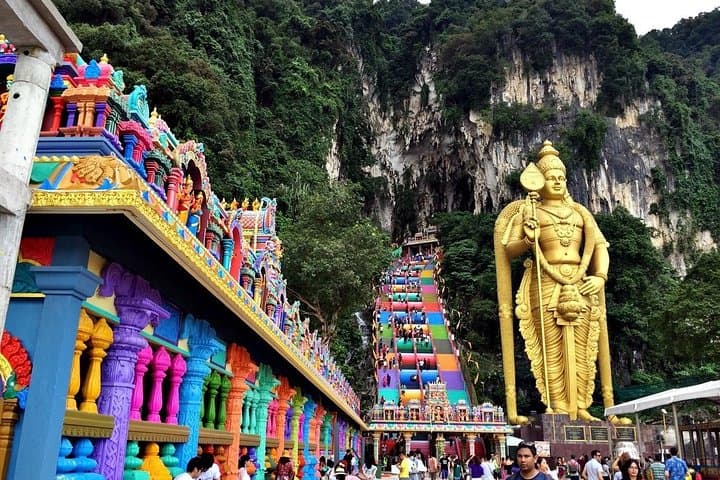
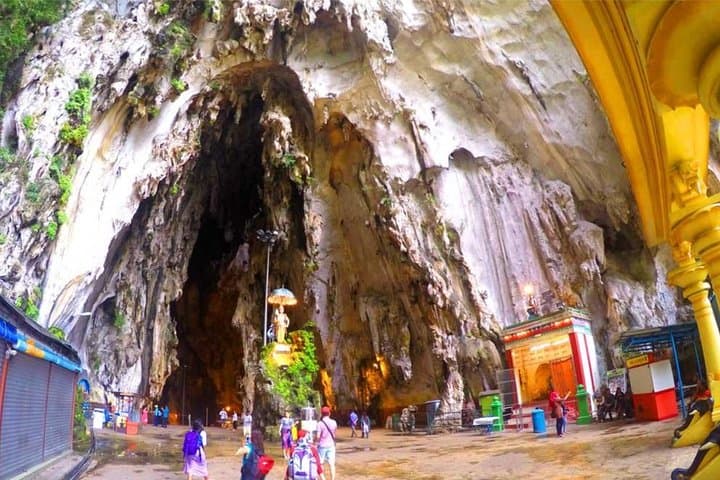
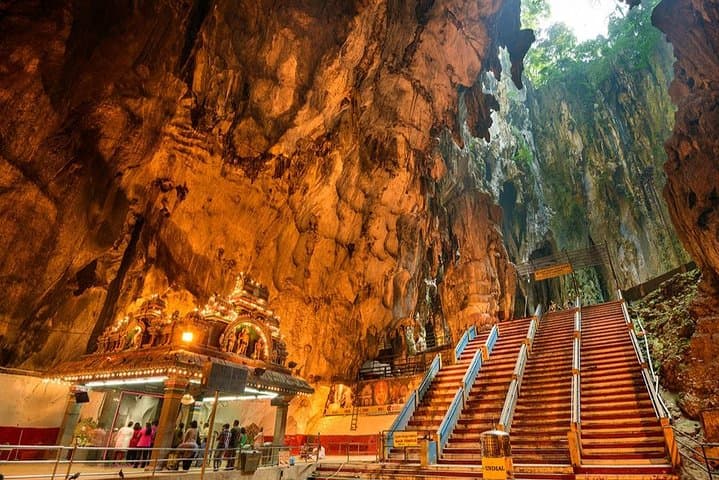
You arrive beneath a 42.7‑meter gilt statue, the morning sun bouncing off gold paint and the limestone face rising like an old guardian above the city. The steps climb steeply—272 of them—each one a short, measurable effort that ends in a cavern where light pours through a 100‑metre high ceiling and dozens of shrines press against raw rock.
Verified experiences and guided adventures in the surrounding area.
Operated by MALAYSIAN TOURS RIYAS · Batu Caves, Selangor
You arrive beneath a 42.7‑meter gilt statue, the morning sun bouncing off gold paint and the limestone face rising like an old guardian above the city. The steps climb steeply—272 of them—each one a short, measurable effort that ends in a cavern where light pours through a 100‑metre high ceiling and dozens of shrines press against raw rock.
Batu Caves formed from 400 million‑year‑old limestone and became a focal point for Tamil Hindu worship in the late 19th century when K. Thamboosamy Pillai consecrated a murti in the Temple Cave. The complex now includes the Temple (Cathedral) Cave, Art Gallery Cave, Museum Cave and the Ramayana Cave, where painted panels and statues narrate epic stories. Monkeys claim the lower terraces and the hill’s flanks—clever, opportunistic presence that adds unpredictable wildlife theater to the visit.
Expect a blend of geology, living religion and urban panorama: climb for skyline views toward Kuala Lumpur, linger at ornate shrines, and thread past devotees and visitors. Rock climbers also test routes on bolted faces here; their ropes and chalk mark another layer of use.
Practical guide: go early to avoid heat and crowds, wear closed shoes for steps and slick cave floors, and cover shoulders and knees inside temple spaces. Carry water and a small towel—the air is humid and stairs demand short bursts of effort. Be mindful of monkeys: secure bags and avoid feeding. Allow 60–90 minutes for a focused visit, longer if you explore cave art or watch climbers. Batu Caves is compact, vivid and immediate—an accessible cultural climb with geological theater at its core.
easy.
1–2 hours.
Suitable for most travelers; requires short bursts of stair climbing (272 steps) and walking on uneven cave floors.
Plan 60–90 minutes for the main caves and steps; 2+ hours if you explore galleries, watch climbers, or attend festivals.
Access to the main Temple Cave is free; some smaller attractions (e.g., cave museums or audio tours) may charge separate fees.
They’re steep but short; most visitors in average health can manage them with breaks—use handrails and avoid midday heat.
No—feeding them encourages aggressive behavior and can lead to bites; observe from a distance and secure belongings.
Batu Caves’ temple was established in 1891 when K. Thamboosamy Pillai consecrated an idol of Lord Murugan; Thaipusam has been celebrated here annually since the 1890s.
The site balances religious use and tourism pressure—avoid littering, stick to marked paths and don’t feed wildlife to reduce human–animal conflict.
MALAYSIAN TOURS RIYAS operates guided outdoor trips and adventures with an emphasis on safety, stewardship, and memorable experiences.
You arrive beneath a 42.7‑meter gilt statue, the morning sun bouncing off gold paint and the limestone face rising like an old guardian above the city. The steps climb steeply—272 of them—each one a short, measurable effort that ends in a cavern where light pours through a 100‑metre high ceiling and dozens of shrines press against raw rock.
You arrive beneath a 42.7‑meter gilt statue, the morning sun bouncing off gold paint and the limestone face rising like an old guardian above the city. The steps climb steeply—272 of them—each one a short, measurable effort that ends in a cavern where light pours through a 100‑metre high ceiling and dozens of shrines press against raw rock.
Batu Caves formed from 400 million‑year‑old limestone and became a focal point for Tamil Hindu worship in the late 19th century when K. Thamboosamy Pillai consecrated a murti in the Temple Cave. The complex now includes the Temple (Cathedral) Cave, Art Gallery Cave, Museum Cave and the Ramayana Cave, where painted panels and statues narrate epic stories. Monkeys claim the lower terraces and the hill’s flanks—clever, opportunistic presence that adds unpredictable wildlife theater to the visit.
Expect a blend of geology, living religion and urban panorama: climb for skyline views toward Kuala Lumpur, linger at ornate shrines, and thread past devotees and visitors. Rock climbers also test routes on bolted faces here; their ropes and chalk mark another layer of use.
Practical guide: go early to avoid heat and crowds, wear closed shoes for steps and slick cave floors, and cover shoulders and knees inside temple spaces. Carry water and a small towel—the air is humid and stairs demand short bursts of effort. Be mindful of monkeys: secure bags and avoid feeding. Allow 60–90 minutes for a focused visit, longer if you explore cave art or watch climbers. Batu Caves is compact, vivid and immediate—an accessible cultural climb with geological theater at its core.