THE ADVENTURE COLLECTIVE® · Independent discovery and booking for outdoor travel

Spend a day outside Kuala Lumpur visiting ancient limestone caves, local hot springs, silver‑leaf monkeys and a dusk firefly boat ride. This private tour blends easy walking, cultural rules at a working temple, and a riverside wildlife spectacle.
Spend a day outside Kuala Lumpur visiting ancient limestone caves, local hot springs, silver‑leaf monkeys and a dusk firefly boat ride. This private tour blends easy walking, cultural rules at a working temple, and a riverside wildlife spectacle.
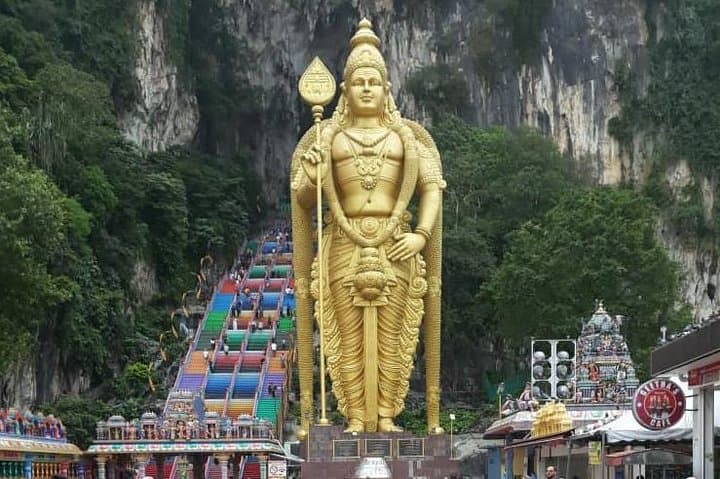
The tour begins with the clang of city traffic fading as a limestone spine rises out of the Malay lowlands—Batu Caves’ steep steps and the giant golden Murugan statue cut a dramatic silhouette against a humid sky. Visitors climb, pause for breath and mosaicked monkeys, then move on to warm mineral pools and the night-lit river where fireflies blink in sync.
Verified experiences and guided adventures in the surrounding area.
Operated by kuala Lumpur Travel Tour · Kuala Lumpur, Kuala Lumpur
The tour begins with the clang of city traffic fading as a limestone spine rises out of the Malay lowlands—Batu Caves’ steep steps and the giant golden Murugan statue cut a dramatic silhouette against a humid sky. Visitors climb, pause for breath and mosaicked monkeys, then move on to warm mineral pools and the night-lit river where fireflies blink in sync.
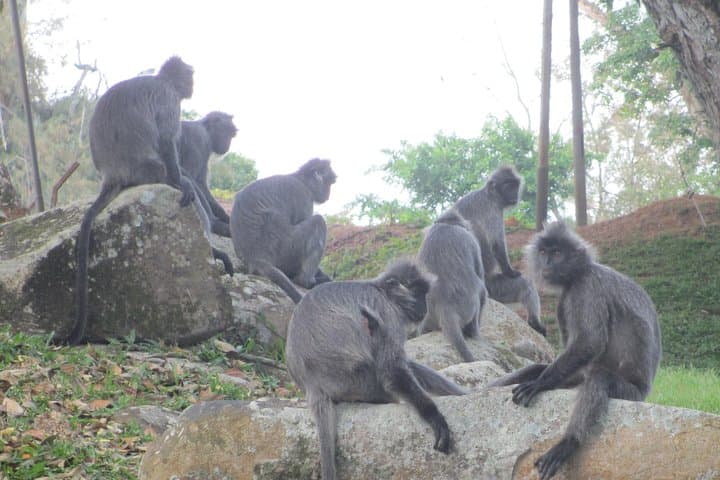
Geology here is blunt and readable: Batu Caves are part of an ancient limestone outcrop formed some 400 million years ago, their chambers carved by solutional weathering and the slow work of underground water. Bukit Malawati’s low coastal hill holds colonial ruins and a troop of silvered leaf monkeys that forage among old fortifications. The Selayang hot spring is a local social spot—simple bathing pools heated by shallow geothermal flow. At Kampung Kuantan, the Pteroptyx fireflies gather along the riverbanks and flash with a 3-second rhythm that feels choreographed.
Expect a private full-day pace: short uphill climbs at Batu Caves’ stairs, easy walking at the hot springs and coastal hill, then a boat glide at dusk for the firefly display. Practicalities matter—respect temple dress codes at Batu Caves, carry insect repellent for the riverbanks, and bring a compact rain jacket during monsoon months. The included dinner typically features fresh seafood with halal options available; bottled water is provided. This is a low-impact, accessible introduction to Selangor’s natural and cultural edges—part geology lesson, part wildlife encounter, part neighborhood night market served up in one convenient day.
easy.
8 hours.
Suitable for most travelers with basic mobility; stair climbing at Batu Caves recommended.
Yes; the tour is private and suitable for children, though parents should supervise on the Batu Caves stairs and around monkeys.
Yes; the tour lists seafood and vegetarian choices and can serve halal meals on request—confirm at booking.
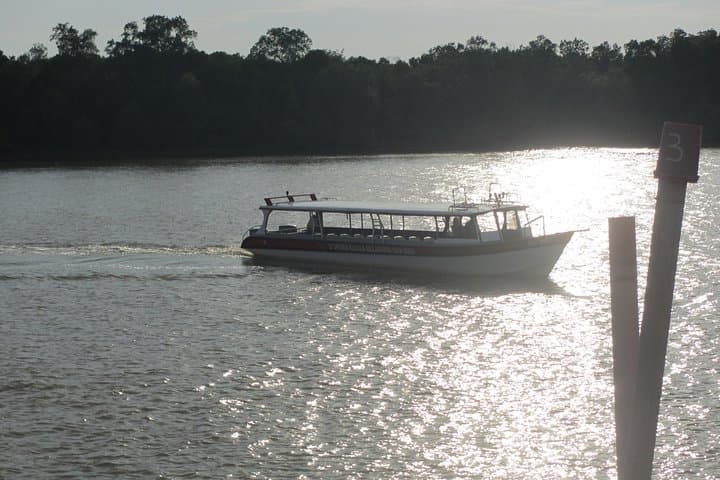
Fireflies are viewed from a quiet riverboat at dusk to minimize disturbance; close enough for photos but maintain low light and silence.
The main climb is steep but short (272 steps); non-ambulatory visitors can explore lower temple areas but should note the stair requirement to reach the main cave shrine.
Batu Caves has served as a Hindu shrine since the late 19th century, established by Tamil migrants; the limestone itself records hundreds of millions of years of geological history.
Firefly populations are sensitive to light pollution and riverine degradation—support operators who run low-impact boat tours and avoid single-use plastics.
kuala Lumpur Travel Tour operates guided outdoor trips and adventures with an emphasis on safety, stewardship, and memorable experiences.

The tour begins with the clang of city traffic fading as a limestone spine rises out of the Malay lowlands—Batu Caves’ steep steps and the giant golden Murugan statue cut a dramatic silhouette against a humid sky. Visitors climb, pause for breath and mosaicked monkeys, then move on to warm mineral pools and the night-lit river where fireflies blink in sync.
The tour begins with the clang of city traffic fading as a limestone spine rises out of the Malay lowlands—Batu Caves’ steep steps and the giant golden Murugan statue cut a dramatic silhouette against a humid sky. Visitors climb, pause for breath and mosaicked monkeys, then move on to warm mineral pools and the night-lit river where fireflies blink in sync.
Geology here is blunt and readable: Batu Caves are part of an ancient limestone outcrop formed some 400 million years ago, their chambers carved by solutional weathering and the slow work of underground water. Bukit Malawati’s low coastal hill holds colonial ruins and a troop of silvered leaf monkeys that forage among old fortifications. The Selayang hot spring is a local social spot—simple bathing pools heated by shallow geothermal flow. At Kampung Kuantan, the Pteroptyx fireflies gather along the riverbanks and flash with a 3-second rhythm that feels choreographed.
Expect a private full-day pace: short uphill climbs at Batu Caves’ stairs, easy walking at the hot springs and coastal hill, then a boat glide at dusk for the firefly display. Practicalities matter—respect temple dress codes at Batu Caves, carry insect repellent for the riverbanks, and bring a compact rain jacket during monsoon months. The included dinner typically features fresh seafood with halal options available; bottled water is provided. This is a low-impact, accessible introduction to Selangor’s natural and cultural edges—part geology lesson, part wildlife encounter, part neighborhood night market served up in one convenient day.