THE ADVENTURE COLLECTIVE® · Independent discovery and booking for outdoor travel

A compact half-day from Kuala Lumpur that pairs the dramatic limestone shrine of Batu Caves with hands-on stops at Royal Selangor and a batik workshop. Ideal for travelers who want culture, light climbing and local craft demonstrations in one morning or afternoon.
A compact half-day from Kuala Lumpur that pairs the dramatic limestone shrine of Batu Caves with hands-on stops at Royal Selangor and a batik workshop. Ideal for travelers who want culture, light climbing and local craft demonstrations in one morning or afternoon.
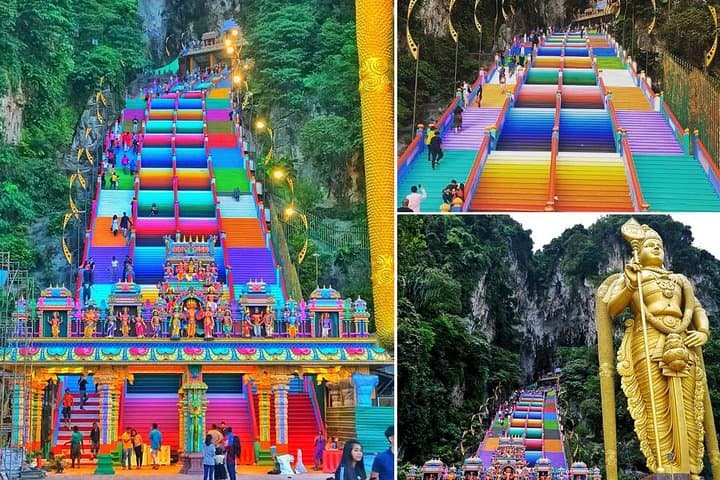
You step out of the air-conditioned van into humid air and the pulse of roadside commerce—motorbikes weaving past stalls, the scent of fried snacks, and limestone rising like a folded page ahead. The climb up the 272 steps at Batu Caves slows the city’s rush, trading it for chanting, painted deities and a sudden panorama of Kuala Lumpur’s skyline.
Verified experiences and guided adventures in the surrounding area.
Operated by RIYAS TRAVEL MALAYSIA · Kuala Lumpur, Selangor
You step out of the air-conditioned van into humid air and the pulse of roadside commerce—motorbikes weaving past stalls, the scent of fried snacks, and limestone rising like a folded page ahead. The climb up the 272 steps at Batu Caves slows the city’s rush, trading it for chanting, painted deities and a sudden panorama of Kuala Lumpur’s skyline.
The route threads through Selangor’s post-colonial landscape: tin-rich soil that birthed Royal Selangor’s pewter industry in the 1800s, and batik workshops that preserve Malay and East Coast textile techniques developed in the 20th century. Geologically, Batu Caves is an ancient limestone outcrop, its caverns carved over millennia and now home to Hindu shrines, stalactites and pockets where conservation groups run guided walks.
Culturally it’s active—festivals like Thaipusam transform the site into a pilgrimage route, while everyday life around the caves remains practical and unvarnished. Expect monkeys inspecting backpacks, vendors selling sarongs and guides pointing out climbing routes on the rock faces.
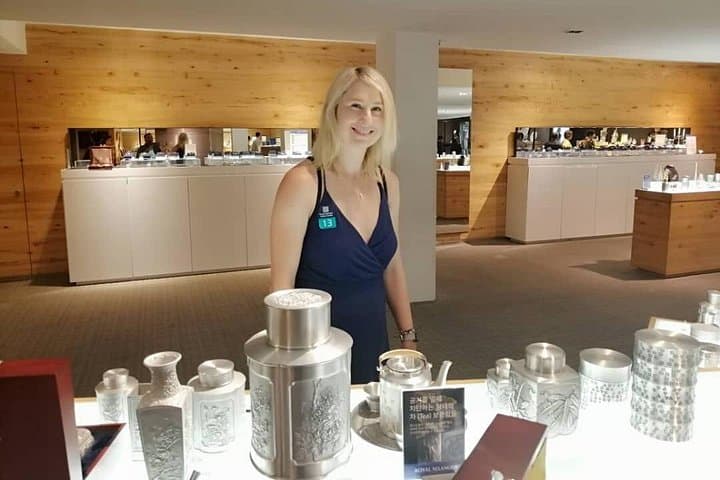
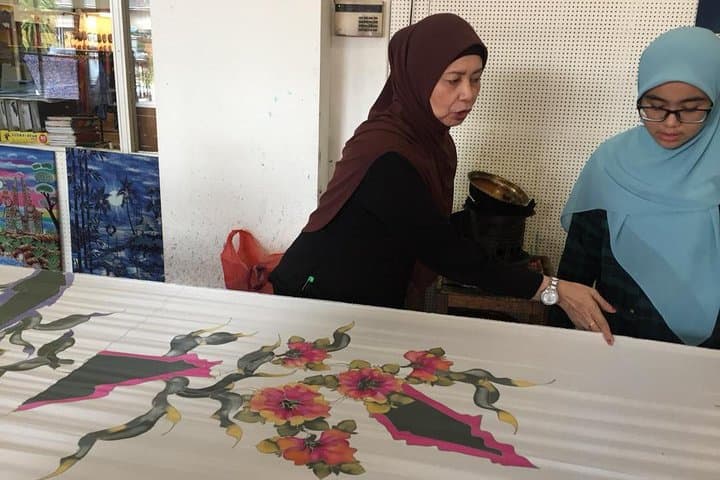
Practical guide: the half-day loop fits into a morning or afternoon; wear modest clothing for temple areas, sturdy shoes for steps and rocky surfaces, and carry water—shade is limited on the ascent. Allow time for a pewter demonstration at Royal Selangor and a short batik walkthrough where artisans show wax-resist techniques. If you plan to join the Dark Cave conservation tour, book in advance; it adds an hour and requires closed-toe shoes.
This tour blends light hiking, cultural stops and hands-on craft viewing—compact, informative and friendly to most fitness levels.
easy.
3 hours.
Suitable for most fitness levels; requires ability to climb stairs and walk on uneven cave surfaces
The tour includes entrance fees listed by the operator; confirm at booking for any optional add-ons like the Dark Cave guided walk.
The 272-step stair is steep but short; take breaks if needed—railings are available on much of the ascent.
Yes—small vendors and some craft purchases are easier with cash (Malaysian Ringgit); cards accepted at larger sites like Royal Selangor.
Infants can ride in strollers during vehicle transfers, but the cave steps are not stroller-friendly and infants must sit on laps during the tour.
Batu Caves became a Hindu place of worship in the late 19th century when local leader K. Thamboosamy Pillai established a temple; Royal Selangor traces its pewter roots to the tin-mining boom that shaped the region’s industry.
The limestone karst and cave ecosystems are fragile—avoid littering, don’t feed wildlife and consider booking conservation-led Dark Cave tours to support research and protection.
RIYAS TRAVEL MALAYSIA operates guided outdoor trips and adventures with an emphasis on safety, stewardship, and memorable experiences.

You step out of the air-conditioned van into humid air and the pulse of roadside commerce—motorbikes weaving past stalls, the scent of fried snacks, and limestone rising like a folded page ahead. The climb up the 272 steps at Batu Caves slows the city’s rush, trading it for chanting, painted deities and a sudden panorama of Kuala Lumpur’s skyline.
You step out of the air-conditioned van into humid air and the pulse of roadside commerce—motorbikes weaving past stalls, the scent of fried snacks, and limestone rising like a folded page ahead. The climb up the 272 steps at Batu Caves slows the city’s rush, trading it for chanting, painted deities and a sudden panorama of Kuala Lumpur’s skyline.
The route threads through Selangor’s post-colonial landscape: tin-rich soil that birthed Royal Selangor’s pewter industry in the 1800s, and batik workshops that preserve Malay and East Coast textile techniques developed in the 20th century. Geologically, Batu Caves is an ancient limestone outcrop, its caverns carved over millennia and now home to Hindu shrines, stalactites and pockets where conservation groups run guided walks.
Culturally it’s active—festivals like Thaipusam transform the site into a pilgrimage route, while everyday life around the caves remains practical and unvarnished. Expect monkeys inspecting backpacks, vendors selling sarongs and guides pointing out climbing routes on the rock faces.
Practical guide: the half-day loop fits into a morning or afternoon; wear modest clothing for temple areas, sturdy shoes for steps and rocky surfaces, and carry water—shade is limited on the ascent. Allow time for a pewter demonstration at Royal Selangor and a short batik walkthrough where artisans show wax-resist techniques. If you plan to join the Dark Cave conservation tour, book in advance; it adds an hour and requires closed-toe shoes.
This tour blends light hiking, cultural stops and hands-on craft viewing—compact, informative and friendly to most fitness levels.