THE ADVENTURE COLLECTIVE® · Independent discovery and booking for outdoor travel

Explore pewter workshops, batik studios, and the towering Murugan statue on a focused half‑day tour from Kuala Lumpur. Combine hands‑on craft demonstrations with a climb up the famous 272 steps to cave temples and sweeping city views.
Explore pewter workshops, batik studios, and the towering Murugan statue on a focused half‑day tour from Kuala Lumpur. Combine hands‑on craft demonstrations with a climb up the famous 272 steps to cave temples and sweeping city views.
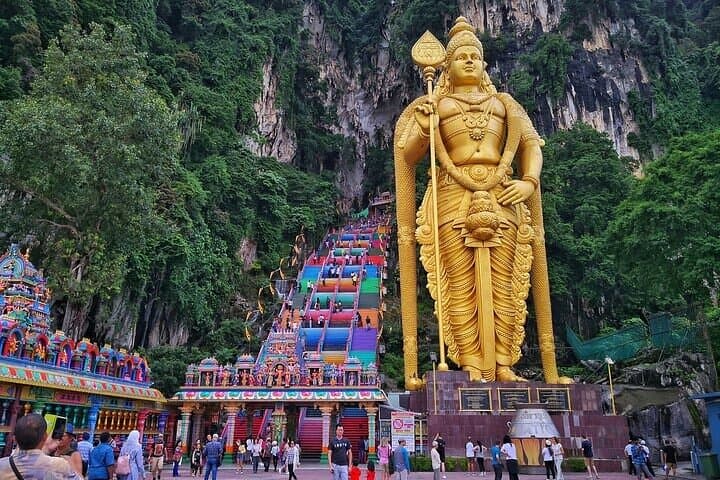
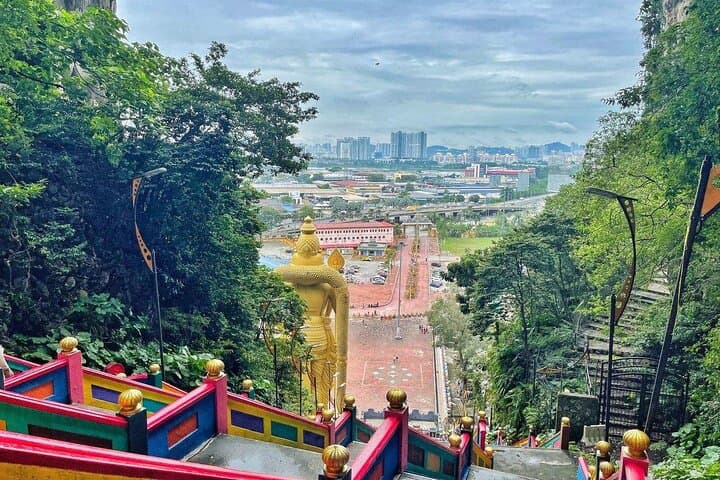
Sunlight hits a gilded figure as the city thins into limestone—visitors step off an air‑conditioned van and face the 272 steps that give Batu Caves its pulse. The giant Murugan statue watches over a compact complex of temple caverns, vendors, and macaques that dart between palms and prayer flags.
Verified experiences and guided adventures in the surrounding area.
Operated by TREVOPEDIA · Batu Caves, Selangor
Sunlight hits a gilded figure as the city thins into limestone—visitors step off an air‑conditioned van and face the 272 steps that give Batu Caves its pulse. The giant Murugan statue watches over a compact complex of temple caverns, vendors, and macaques that dart between palms and prayer flags.
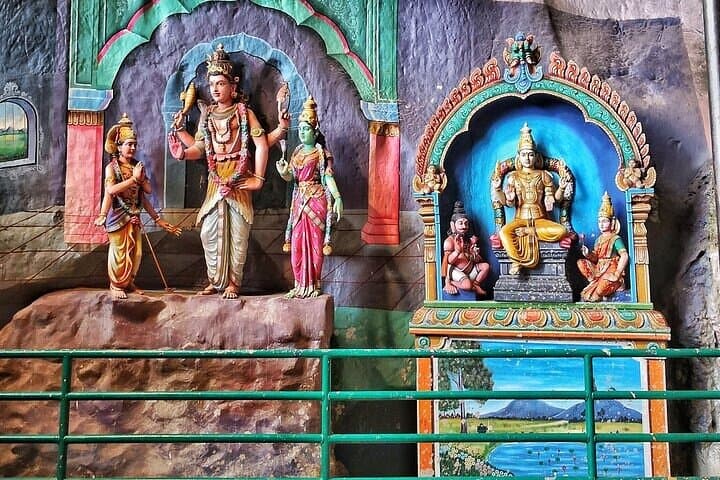
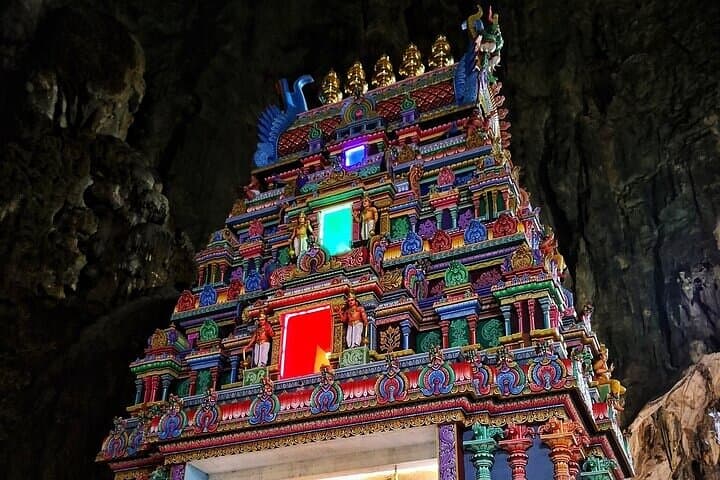
This half‑day loop begins at Royal Selangor, where pewter melts into objects of civic pride and industrial history: workshops and exhibits map Malaysia’s colonial trade routes and metalwork tradition. At Jadi Batek Gallery, artisans paint waxed lines and dip cloth into sudden color—the batik process is as much a demonstration of technique as a lesson in cultural continuity. At Batu Caves, the limestone itself tells an older story: uplifted coral and fossil beds carved into caverns strewn with stalactites, later adopted as a sacred Hindu shrine dedicated to Lord Murugan.
Practical guidance is direct. Plan three to four hours, arrive early to avoid crowds and midday heat, and leave room for worshippers and festivals—Thaipusam transforms the site into a major pilgrimage. Wear closed shoes with good grip for the steep, often slick steps and bring a scarf or modest clothing for temple areas. Keep water on hand; vendors are available but lines can form. Beware the macaques—secure bags and food. The tour includes transfer and an English guide, making logistics easy for first‑time visitors.
For photographers and culture seekers this itinerary balances craft, religion, and geology into a compact outing—accessible, sensory, and grounded in everyday Malaysian life.
easy.
3–4 hours.
Suitable for most travelers who can climb a long flight of stairs; expect short bursts of exertion on steep steps.
There is no general admission to the cave complex; donations are common at shrines and some specific attractions inside may charge a fee.
Yes—this tour is family‑friendly, but children should be able to climb stairs and be supervised around wildlife and temple areas.
Access to the main cave temples requires climbing 272 steps, so it is not wheelchair accessible; ground‑level shrines and surrounding areas are easier to access.
Yes—the tour includes air‑conditioned transfer and an English‑speaking guide, with pickup details provided before departure.
Batu Caves served as a sacred site long before modern tourism; the hill is natural limestone uplift later integrated into Hindu worship, with the current Murugan statue installed in 2006.
Visitors are asked not to feed wildlife and to dispose of waste in bins—local groups work to reduce litter and protect the cave’s fragile limestone formations.
TREVOPEDIA operates guided outdoor trips and adventures with an emphasis on safety, stewardship, and memorable experiences.
Sunlight hits a gilded figure as the city thins into limestone—visitors step off an air‑conditioned van and face the 272 steps that give Batu Caves its pulse. The giant Murugan statue watches over a compact complex of temple caverns, vendors, and macaques that dart between palms and prayer flags.
Sunlight hits a gilded figure as the city thins into limestone—visitors step off an air‑conditioned van and face the 272 steps that give Batu Caves its pulse. The giant Murugan statue watches over a compact complex of temple caverns, vendors, and macaques that dart between palms and prayer flags.
This half‑day loop begins at Royal Selangor, where pewter melts into objects of civic pride and industrial history: workshops and exhibits map Malaysia’s colonial trade routes and metalwork tradition. At Jadi Batek Gallery, artisans paint waxed lines and dip cloth into sudden color—the batik process is as much a demonstration of technique as a lesson in cultural continuity. At Batu Caves, the limestone itself tells an older story: uplifted coral and fossil beds carved into caverns strewn with stalactites, later adopted as a sacred Hindu shrine dedicated to Lord Murugan.
Practical guidance is direct. Plan three to four hours, arrive early to avoid crowds and midday heat, and leave room for worshippers and festivals—Thaipusam transforms the site into a major pilgrimage. Wear closed shoes with good grip for the steep, often slick steps and bring a scarf or modest clothing for temple areas. Keep water on hand; vendors are available but lines can form. Beware the macaques—secure bags and food. The tour includes transfer and an English guide, making logistics easy for first‑time visitors.
For photographers and culture seekers this itinerary balances craft, religion, and geology into a compact outing—accessible, sensory, and grounded in everyday Malaysian life.