THE ADVENTURE COLLECTIVE® · Independent discovery and booking for outdoor travel

Leave the skyscrapers for a half-day of batik craft, dramatic limestone caverns, and a climb up 272 colorful steps to Batu Caves’ temple shrines. Practical tips on timing, dress code, and wildlife help you make the most of this compact cultural escape.
Leave the skyscrapers for a half-day of batik craft, dramatic limestone caverns, and a climb up 272 colorful steps to Batu Caves’ temple shrines. Practical tips on timing, dress code, and wildlife help you make the most of this compact cultural escape.
A humid morning drive out of Kuala Lumpur pulls the city’s glass facades behind you and delivers you to a different rhythm: roadside stalls, coconut palms, and a limestone ridge that rises like a folded wall from the flat paddy fields. The tour opens with a hands-on batik demonstration where molten wax and dye meet patient hands, then moves to the hulking silhouette of Batu Caves and its 272 steps crowned by a towering gold statue of Lord Murugan.
Verified experiences and guided adventures in the surrounding area.
Operated by TrevoTour Travels · Batu Caves, Selangor
A humid morning drive out of Kuala Lumpur pulls the city’s glass facades behind you and delivers you to a different rhythm: roadside stalls, coconut palms, and a limestone ridge that rises like a folded wall from the flat paddy fields. The tour opens with a hands-on batik demonstration where molten wax and dye meet patient hands, then moves to the hulking silhouette of Batu Caves and its 272 steps crowned by a towering gold statue of Lord Murugan.
The caves are part of a 400-million-year-old limestone outcrop — karst sculpted by time into caverns, shafts, and stalactites. Colonial-era devotees converted the main chamber into a Hindu temple complex in the late 19th century; today the site blends living worship with tourist energy. Expect to share space with macaques that patrol the stairs and bats that inhabit darker corners; respectful distance and no feeding are essential.
Practicalities: the half-day schedule (about 2–3 hours) includes round-trip transport from suburban pickup points, a short batik workshop, and ample time to ascend the painted staircase and move through the temple cave. Footwear and modest clothing are required for temple entry; shoes are removed at shrine areas. Peak humidity and sun mean start early or aim for late afternoon light for photography. The Dark Cave conservation tour (separate entry) offers a science-focused alternative if you want geology and ecology rather than crowds. This is a compact cultural outing that rewards basic preparation — water, sun protection, and a light pace up the steps.
moderate.
2–3 hours.
Basic aerobic fitness—able to climb a few hundred steps at a steady pace and stand during cave exploration.
The main Temple Cave is free to enter; some attractions like the Dark Cave conservation tour have separate fees.
The staircase is steep but well-built; children and moderately fit older visitors can usually manage with breaks, though mobility-limited travelers may not reach the top.
Yes—demonstrations are visual and guides typically explain in English; hands-on steps are simple and suitable for beginners.
There are no official lockers at the base; keep valuables on your person or in a secure bag—tour operators advise not bringing unnecessary items.
Batu Caves rose to religious prominence in the late 19th century when Hindu communities established shrine spaces within the karst chambers; the site remains an active festival center, notably during Thaipusam.
Dark Cave is managed for conservation and education—stick to marked paths and avoid touching formations to protect fragile cave life and geological features.
TrevoTour Travels operates guided outdoor trips and adventures with an emphasis on safety, stewardship, and memorable experiences.
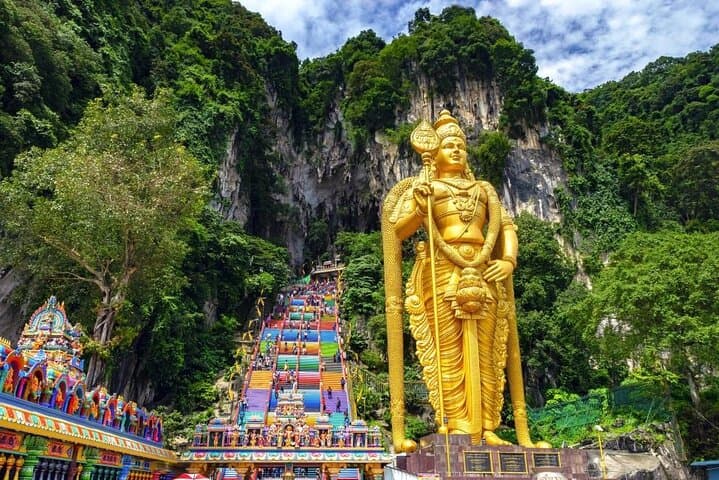

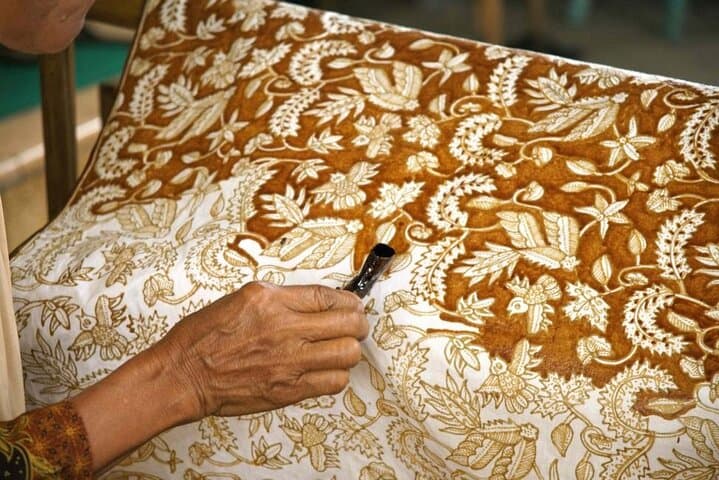

A humid morning drive out of Kuala Lumpur pulls the city’s glass facades behind you and delivers you to a different rhythm: roadside stalls, coconut palms, and a limestone ridge that rises like a folded wall from the flat paddy fields. The tour opens with a hands-on batik demonstration where molten wax and dye meet patient hands, then moves to the hulking silhouette of Batu Caves and its 272 steps crowned by a towering gold statue of Lord Murugan.
A humid morning drive out of Kuala Lumpur pulls the city’s glass facades behind you and delivers you to a different rhythm: roadside stalls, coconut palms, and a limestone ridge that rises like a folded wall from the flat paddy fields. The tour opens with a hands-on batik demonstration where molten wax and dye meet patient hands, then moves to the hulking silhouette of Batu Caves and its 272 steps crowned by a towering gold statue of Lord Murugan.
The caves are part of a 400-million-year-old limestone outcrop — karst sculpted by time into caverns, shafts, and stalactites. Colonial-era devotees converted the main chamber into a Hindu temple complex in the late 19th century; today the site blends living worship with tourist energy. Expect to share space with macaques that patrol the stairs and bats that inhabit darker corners; respectful distance and no feeding are essential.
Practicalities: the half-day schedule (about 2–3 hours) includes round-trip transport from suburban pickup points, a short batik workshop, and ample time to ascend the painted staircase and move through the temple cave. Footwear and modest clothing are required for temple entry; shoes are removed at shrine areas. Peak humidity and sun mean start early or aim for late afternoon light for photography. The Dark Cave conservation tour (separate entry) offers a science-focused alternative if you want geology and ecology rather than crowds. This is a compact cultural outing that rewards basic preparation — water, sun protection, and a light pace up the steps.