THE ADVENTURE COLLECTIVE® · Independent discovery and booking for outdoor travel

Climb 272 steps beneath a 400-million-year-old limestone cavern to stand beneath a 42.7 m statue of Lord Murugan, then visit Royal Selangor pewter and a batik studio. This half-day tour blends geology, living ritual and traditional craft—ideal for a concise cultural outing from Kuala Lumpur.
Climb 272 steps beneath a 400-million-year-old limestone cavern to stand beneath a 42.7 m statue of Lord Murugan, then visit Royal Selangor pewter and a batik studio. This half-day tour blends geology, living ritual and traditional craft—ideal for a concise cultural outing from Kuala Lumpur.
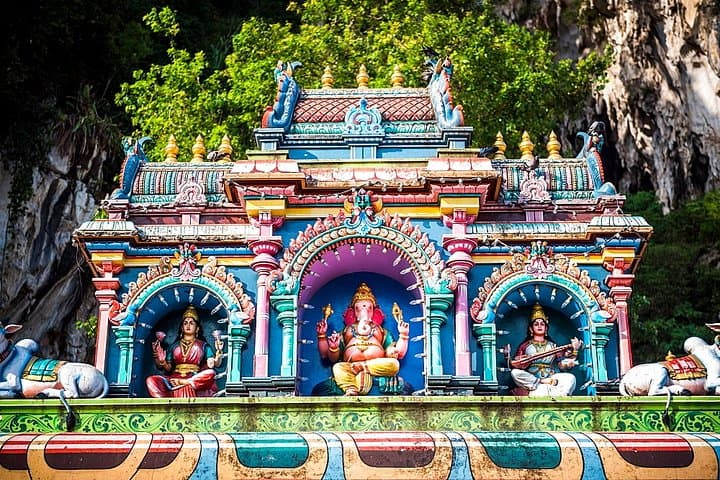
You step from the van into humid air and a riot of color: saffron-clad statues, vendors selling sugarcane juice and the enormous golden figure of Lord Murugan watching over a steep flight of stairs. The limestone walls above the main cavern curve like an old ship’s hull; the cave mouth frames the city to the south, while macaques patrol the balustrades as if they own the place.
Verified experiences and guided adventures in the surrounding area.
Operated by Sarawanan Murugaiah · Kuala Lumpur, Selangor
You step from the van into humid air and a riot of color: saffron-clad statues, vendors selling sugarcane juice and the enormous golden figure of Lord Murugan watching over a steep flight of stairs. The limestone walls above the main cavern curve like an old ship’s hull; the cave mouth frames the city to the south, while macaques patrol the balustrades as if they own the place.
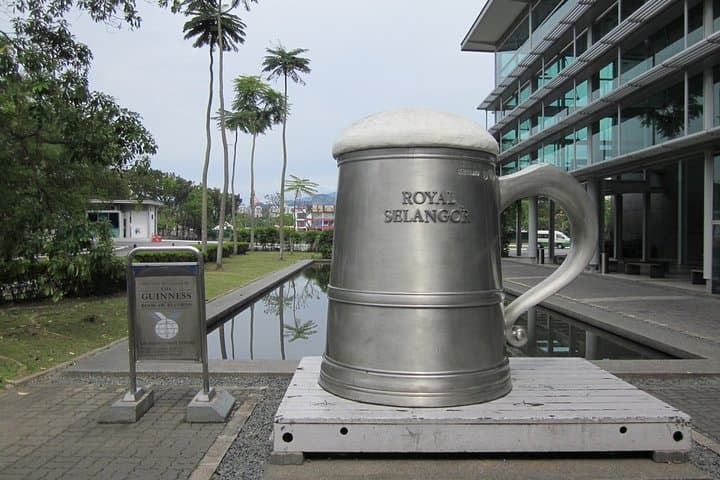
Geology here is blunt and ancient—limestone formed roughly 400 million years ago, eroded into chambers that became sacred. Batu Caves is both a natural cavern system and an active Hindu temple complex; the 42.7 m (130 ft) Murugan statue anchors the approach. Cultural beats on this itinerary: the rhythm of Thaipusam in January or February when pilgrims and kavadi carriers transform the site, and the quieter craft traditions you'll see at Royal Selangor Pewter and a local batik center nearby.
Practical guidance: plan for 272 steps to the main cave—expect steep, uneven stairs and heavy humidity. Dress respectfully (shoulders and knees covered) when entering temple areas; bring a hat, sunscreen and water—the temperature climbs on the approach. Pair the caves with the Royal Selangor visitor center to see pewter casting demonstrations and a batik workshop to learn wax-resist dyeing techniques. Morning visits avoid the crowds and midday heat; late afternoons are lively but busier. Keep a hand on your belongings around the macaques and note that the site is accessible by car or public transit with short walks. The tour’s blend of geology, religion and craft makes for a compact cultural outing from Kuala Lumpur suited to most fitness levels.
easy.
3–4 hours.
Basic fitness required—able to climb several flights of stairs and walk short distances between sites.
There are 272 steps to reach the primary cave temple where the main shrine sits.
Access to the cave complex is free; some adjacent attractions or special exhibitions may charge separately.
The main cave requires climbing stairs and is not wheelchair accessible; there is limited access to lower areas without stairs.
Early morning on weekdays is best; the site is busiest during Thaipusam (January/February) and weekends.
Batu Caves became a Hindu temple complex in the late 19th century when Tamil immigrants established shrines within the natural caverns; the massive Murugan statue was completed in 2006.
The cave ecosystem is sensitive—stick to paths in cave tours, avoid littering, and support guided conservation programs like the Dark Cave educational tour.
Sarawanan Murugaiah operates guided outdoor trips and adventures with an emphasis on safety, stewardship, and memorable experiences.
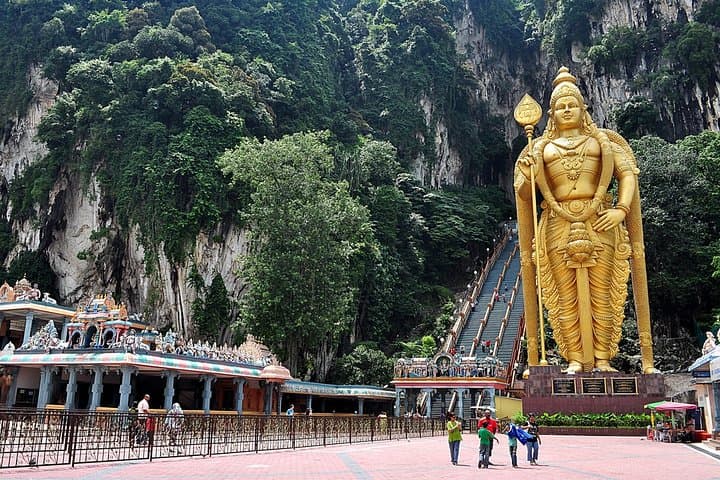
You step from the van into humid air and a riot of color: saffron-clad statues, vendors selling sugarcane juice and the enormous golden figure of Lord Murugan watching over a steep flight of stairs. The limestone walls above the main cavern curve like an old ship’s hull; the cave mouth frames the city to the south, while macaques patrol the balustrades as if they own the place.
You step from the van into humid air and a riot of color: saffron-clad statues, vendors selling sugarcane juice and the enormous golden figure of Lord Murugan watching over a steep flight of stairs. The limestone walls above the main cavern curve like an old ship’s hull; the cave mouth frames the city to the south, while macaques patrol the balustrades as if they own the place.
Geology here is blunt and ancient—limestone formed roughly 400 million years ago, eroded into chambers that became sacred. Batu Caves is both a natural cavern system and an active Hindu temple complex; the 42.7 m (130 ft) Murugan statue anchors the approach. Cultural beats on this itinerary: the rhythm of Thaipusam in January or February when pilgrims and kavadi carriers transform the site, and the quieter craft traditions you'll see at Royal Selangor Pewter and a local batik center nearby.
Practical guidance: plan for 272 steps to the main cave—expect steep, uneven stairs and heavy humidity. Dress respectfully (shoulders and knees covered) when entering temple areas; bring a hat, sunscreen and water—the temperature climbs on the approach. Pair the caves with the Royal Selangor visitor center to see pewter casting demonstrations and a batik workshop to learn wax-resist dyeing techniques. Morning visits avoid the crowds and midday heat; late afternoons are lively but busier. Keep a hand on your belongings around the macaques and note that the site is accessible by car or public transit with short walks. The tour’s blend of geology, religion and craft makes for a compact cultural outing from Kuala Lumpur suited to most fitness levels.