THE ADVENTURE COLLECTIVE® · Independent discovery and booking for outdoor travel

A compact half-day route from Kuala Lumpur that pairs the towering limestone caverns of Batu Caves with hands-on visits to pewter and batik workshops. Expect stairs, monkeys, and close-up craft demonstrations—ideal for travelers who want nature and culture in one outing.
A compact half-day route from Kuala Lumpur that pairs the towering limestone caverns of Batu Caves with hands-on visits to pewter and batik workshops. Expect stairs, monkeys, and close-up craft demonstrations—ideal for travelers who want nature and culture in one outing.
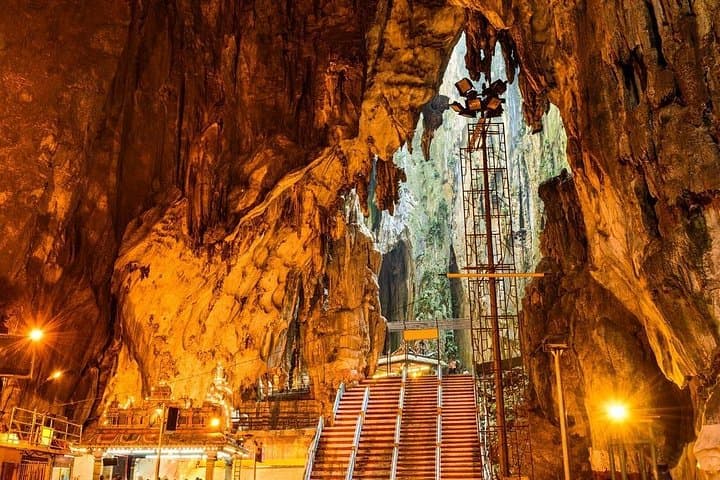
You arrive under the Thermo-humid sky of Klang Valley, the city’s skyline falling away as the driver threads toward a jagged limestone silhouette. Batu Caves looms: sheer gray cliffs punctuated by cave mouths and a long flight of steps where worshippers and tourists move in measured waves.
Verified experiences and guided adventures in the surrounding area.
Operated by Asia Advisor by Asni · Gombak, Selangor
You arrive under the Thermo-humid sky of Klang Valley, the city’s skyline falling away as the driver threads toward a jagged limestone silhouette. Batu Caves looms: sheer gray cliffs punctuated by cave mouths and a long flight of steps where worshippers and tourists move in measured waves.
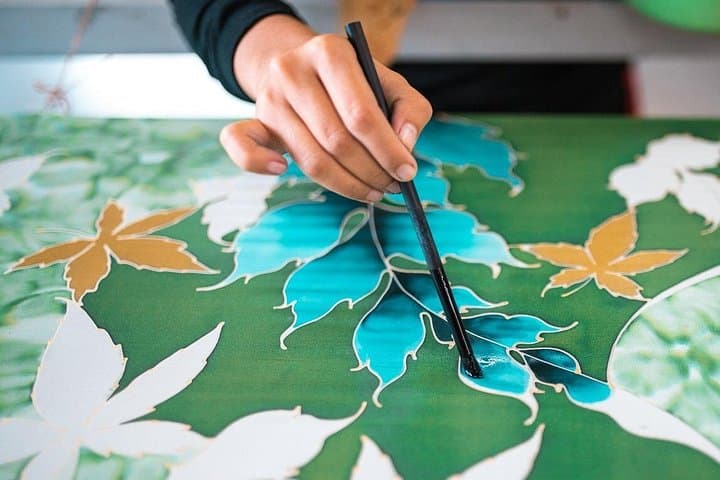
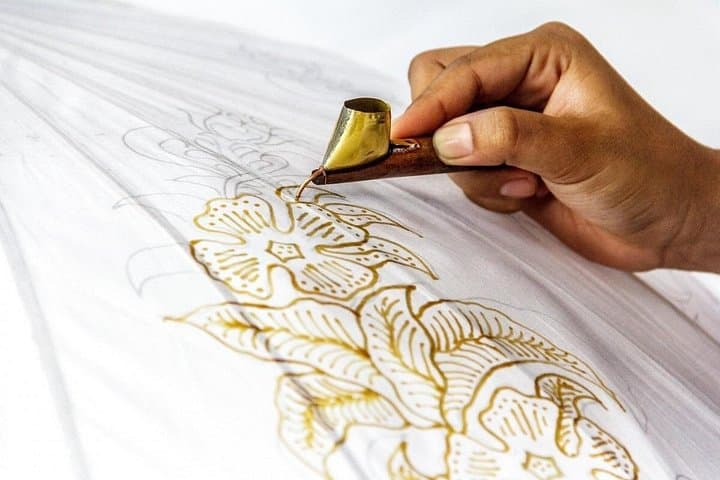
The hill’s limestone is roughly 400 million years old, carved by ancient seas and weather into chambers that later became sacred spaces for local Temuan communities and, more recently, Malaysia’s largest Hindu shrine dedicated to Lord Murugan. Nearby, industry and craft tell a different local story: Royal Selangor’s pewter workshops trace metalworking techniques spanning generations, while batik studios show how plant-based dyes and hand-stamping yield the floral motifs common across Peninsular Malaysia.
On this half-day tour the pace alternates between open air and focused craft demonstrations: an ascent of the Batu stairs (expect monkeys and steep steps), a stop for live pewter casting and polishing, and a guided look at batik printing with options to buy directly from makers.
Practicalities matter: bring secure camera straps, a reusable water bottle, and lightweight shoes with grip for the stairs. Morning departures dodge mid-day heat and large crowds; afternoons offer softer light for photos but warmer conditions. Be respectful at temple spaces—cover shoulders and remove shoes where required—and keep plastic bags away from macaques.
This is a compact cultural-and-nature sequence that pairs geological spectacle with hands-on craft, ideal for travelers seeking a concentrated introduction to Greater Kuala Lumpur’s natural and artisanal heritage.
easy.
3–3.5 hours.
Suitable for most activity levels; participants should be comfortable climbing a long flight of stairs and walking short distances on uneven surfaces.
This tour typically covers transportation and guided stops; entrance to any paid attractions (like guided Dark Cave tours) may be extra—confirm with the operator before booking.
The main stairway has approximately 272 steps; take your time and rest at landing points if needed.
Yes—it's listed as physically easy. Infants must sit on laps in the vehicle, but stair climbs may be challenging for very young children.
Demonstrations at pewter and batik centers include live processes; some venues may offer brief hands-on options or paid workshops—ask on the day for availability.
Batu Caves’ limestone formed hundreds of millions of years ago; its cave temples became an important focal point for Hindu worship in Malaysia, especially during Thaipusam.
Parts of the cave system (Dark Cave) are protected and accessed by guided tours to preserve endemic fauna; visitors are encouraged to avoid littering and feeding wildlife.
Asia Advisor by Asni operates guided outdoor trips and adventures with an emphasis on safety, stewardship, and memorable experiences.

You arrive under the Thermo-humid sky of Klang Valley, the city’s skyline falling away as the driver threads toward a jagged limestone silhouette. Batu Caves looms: sheer gray cliffs punctuated by cave mouths and a long flight of steps where worshippers and tourists move in measured waves.
You arrive under the Thermo-humid sky of Klang Valley, the city’s skyline falling away as the driver threads toward a jagged limestone silhouette. Batu Caves looms: sheer gray cliffs punctuated by cave mouths and a long flight of steps where worshippers and tourists move in measured waves.
The hill’s limestone is roughly 400 million years old, carved by ancient seas and weather into chambers that later became sacred spaces for local Temuan communities and, more recently, Malaysia’s largest Hindu shrine dedicated to Lord Murugan. Nearby, industry and craft tell a different local story: Royal Selangor’s pewter workshops trace metalworking techniques spanning generations, while batik studios show how plant-based dyes and hand-stamping yield the floral motifs common across Peninsular Malaysia.
On this half-day tour the pace alternates between open air and focused craft demonstrations: an ascent of the Batu stairs (expect monkeys and steep steps), a stop for live pewter casting and polishing, and a guided look at batik printing with options to buy directly from makers.
Practicalities matter: bring secure camera straps, a reusable water bottle, and lightweight shoes with grip for the stairs. Morning departures dodge mid-day heat and large crowds; afternoons offer softer light for photos but warmer conditions. Be respectful at temple spaces—cover shoulders and remove shoes where required—and keep plastic bags away from macaques.
This is a compact cultural-and-nature sequence that pairs geological spectacle with hands-on craft, ideal for travelers seeking a concentrated introduction to Greater Kuala Lumpur’s natural and artisanal heritage.