THE ADVENTURE COLLECTIVE® · Independent discovery and booking for outdoor travel

Spend a full day by tuk-tuk exploring Battambang’s temples, rural markets, the quirky bamboo train and Phnom Sampov at sunset. Expect cultural insights, short walks, and a long but accessible day of discovery.
Spend a full day by tuk-tuk exploring Battambang’s temples, rural markets, the quirky bamboo train and Phnom Sampov at sunset. Expect cultural insights, short walks, and a long but accessible day of discovery.
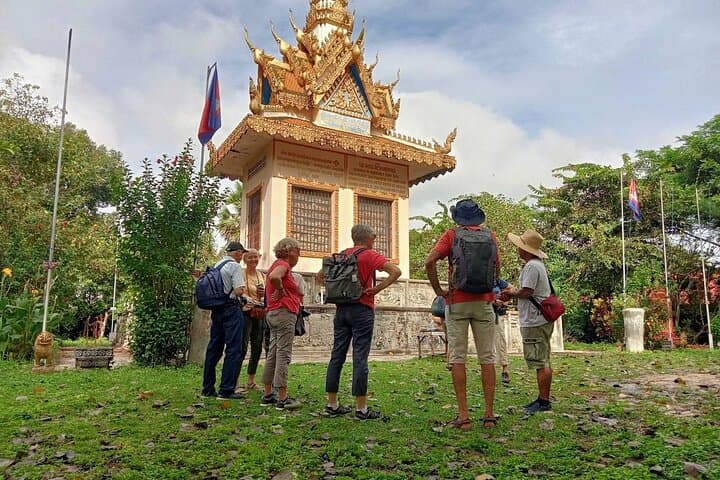
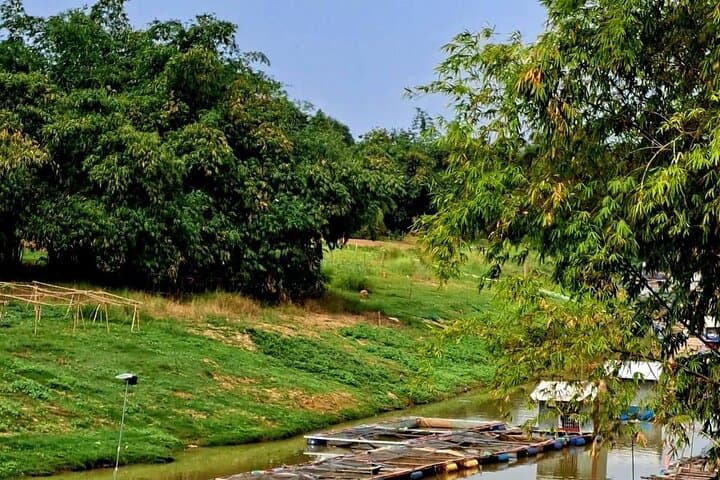
You kick off before dawn, the tuk-tuk engine clicking awake as the thin light paints rice paddies silver. The road slips by in a rhythm — villages, palm trees, a river that pushes insistently toward the horizon — while your driver steers you to Ek Phnom's squat sandstone doorway and later to the rickety rails of the bamboo train.
Verified experiences and guided adventures in the surrounding area.
Operated by The Adventure Bike · Battambang, Battambang Province
You kick off before dawn, the tuk-tuk engine clicking awake as the thin light paints rice paddies silver. The road slips by in a rhythm — villages, palm trees, a river that pushes insistently toward the horizon — while your driver steers you to Ek Phnom's squat sandstone doorway and later to the rickety rails of the bamboo train.
Battambang bears layers: Angkorian foundations at Ek Phnom and Banan Temple, French-colonial facades on the riverfront, and darker chapters from the Khmer Rouge visible at local killing fields and memorials. Geologically the area is flat floodplain—fertile silt deposited by the Tonle Sap basin—so temple ruins sit low and accessible rather than perched on peaks.
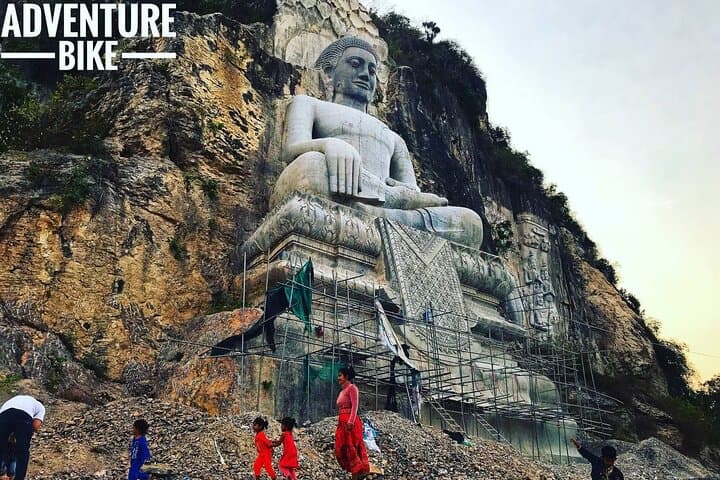
Culture here is tactile; at the fish market you watch paste and rice paper made by hand, and small producers open their doors to travelers. On Phnom Sampov as evening falls, millions of bats pour from the caves, a living river of wings that feeds local folklore and nightly commerce.
Practical guidance: this is a long but low-impact day—expect 7–9 hours of stops and short walks. Wear sturdy shoes for temple steps and slick cave paths, bring sun protection and a refillable water bottle, and carry small bills for market purchases and modest donations to local businesses. Photography at memorial sites deserves sensitivity; follow guides' directions.
Timing matters—start early to beat heat and catch the bamboo train in daylight, and plan Phnom Sampov for sunset, when the bats emerge and the day settles into cool air and long shadows.
easy.
7–9 hours.
Suitable for travelers in average health who can manage short temple walks and multiple pickup/drop-off transfers.
No; the itinerary lists lunch as not included so plan to bring cash to buy lunch at a local eatery or market stop.
Some market areas and flat temple approaches are stroller-accessible, but temple steps and cave paths are not fully accessible—check with the operator for assistance.
Expect short walks at each stop—generally under 30 minutes on uneven ground; the day’s length is from tuk-tuk transfers rather than long hikes.
Yes, viewing is safe from designated spots; avoid shining lights into the colony and follow your guide’s safety advice, especially near ledges.
Battambang blends Angkorian-era temples with French colonial influence and visible Khmer Rouge sites—the region’s past shapes many tour stops.
Local guides emphasize low-impact visits; avoid flash photography at bat colonies and support small producers with purchases rather than intrusive behavior.
The Adventure Bike operates guided outdoor trips and adventures with an emphasis on safety, stewardship, and memorable experiences.

You kick off before dawn, the tuk-tuk engine clicking awake as the thin light paints rice paddies silver. The road slips by in a rhythm — villages, palm trees, a river that pushes insistently toward the horizon — while your driver steers you to Ek Phnom's squat sandstone doorway and later to the rickety rails of the bamboo train.
You kick off before dawn, the tuk-tuk engine clicking awake as the thin light paints rice paddies silver. The road slips by in a rhythm — villages, palm trees, a river that pushes insistently toward the horizon — while your driver steers you to Ek Phnom's squat sandstone doorway and later to the rickety rails of the bamboo train.
Battambang bears layers: Angkorian foundations at Ek Phnom and Banan Temple, French-colonial facades on the riverfront, and darker chapters from the Khmer Rouge visible at local killing fields and memorials. Geologically the area is flat floodplain—fertile silt deposited by the Tonle Sap basin—so temple ruins sit low and accessible rather than perched on peaks.
Culture here is tactile; at the fish market you watch paste and rice paper made by hand, and small producers open their doors to travelers. On Phnom Sampov as evening falls, millions of bats pour from the caves, a living river of wings that feeds local folklore and nightly commerce.
Practical guidance: this is a long but low-impact day—expect 7–9 hours of stops and short walks. Wear sturdy shoes for temple steps and slick cave paths, bring sun protection and a refillable water bottle, and carry small bills for market purchases and modest donations to local businesses. Photography at memorial sites deserves sensitivity; follow guides' directions.
Timing matters—start early to beat heat and catch the bamboo train in daylight, and plan Phnom Sampov for sunset, when the bats emerge and the day settles into cool air and long shadows.