THE ADVENTURE COLLECTIVE® · Independent discovery and booking for outdoor travel

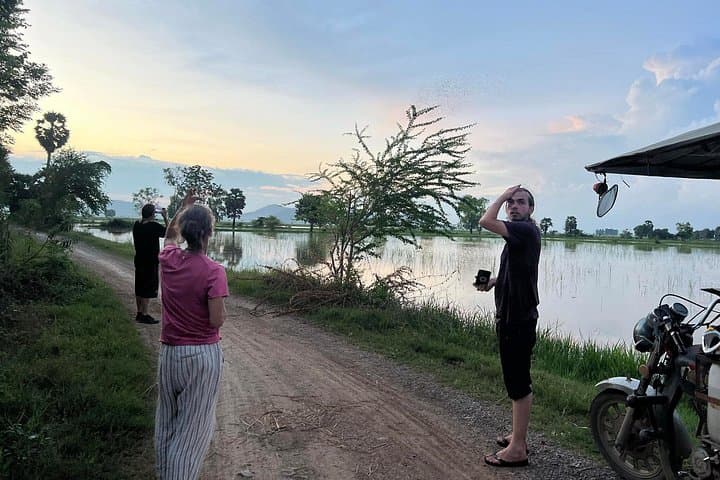
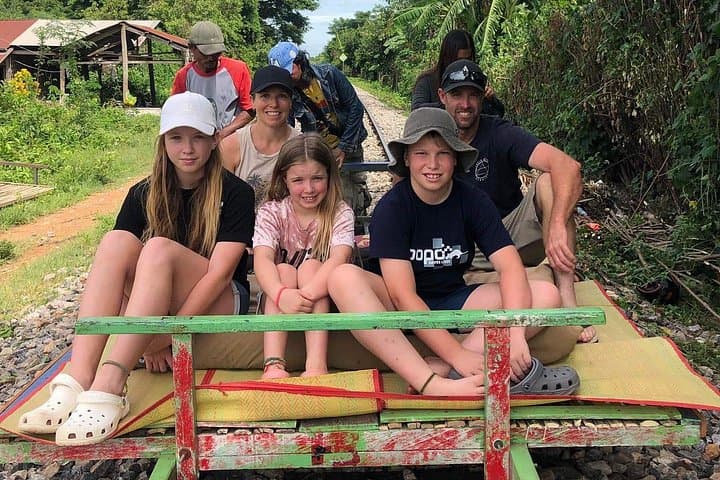
Hop a private tuk‑tuk for a half‑day circuit around Battambang: ride the improvised bamboo train, cross the hanging bridge, and watch thousands of bats pour from Phnom Sampov at dusk. This easy, culturally rich tour pairs short walks with panoramic countryside views.
Hop a private tuk‑tuk for a half‑day circuit around Battambang: ride the improvised bamboo train, cross the hanging bridge, and watch thousands of bats pour from Phnom Sampov at dusk. This easy, culturally rich tour pairs short walks with panoramic countryside views.
You push off the curb and the tuk‑tuk’s engine breathes you into the countryside: rice paddies stretch like water-colored panels, a staccato of palm fronds tapping the sky. The short hops between markets, temples and cliffside caves let the landscape dictate tempo—sometimes languid, sometimes urgent as the guide motors toward a dusty track.
Verified experiences and guided adventures in the surrounding area.
Operated by Dj's Tuk Tuk Tours · Battambang, Battambang Province
You push off the curb and the tuk‑tuk’s engine breathes you into the countryside: rice paddies stretch like water-colored panels, a staccato of palm fronds tapping the sky. The short hops between markets, temples and cliffside caves let the landscape dictate tempo—sometimes languid, sometimes urgent as the guide motors toward a dusty track.
Battambang’s landscape is plain and volcanic outcrops, punctuated by Phnom Sampov, whose limestone faces host caves and a bat colony that thickens into a living river at dusk. The province carries layers of history: pre‑Angkorian shrines, French colonial facades in town, and darker traces of the Khmer Rouge at the killing caves—sites that ask for sober curiosity and respect.
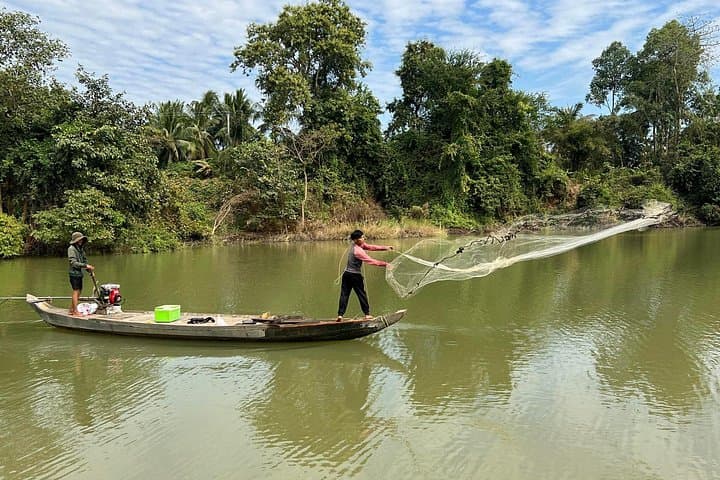
Culture here moves at village pace: farmers cut rice by hand, women fry banana fritters beside market stalls, and craftsmen shape bamboo into temporary rail platforms for the famed bamboo train. The interplay of geology and human use—karst cliffs providing cave roosts, flat alluvium feeding lush rice beds—creates dramatic, accessible scenery.
Practical guidance: this is a low‑impact, low‑effort excursion that rewards timing—arrive at Phnom Sampov before sunset to see the bats. Wear sturdy shoes for temple steps and cave approaches, bring mosquito protection, and carry a refillable bottle; bottled water is provided but refills reduce plastic. Expect short walks, photo stops, and opportunities to purchase snacks and souvenirs from local vendors. The guide handles logistics and drop‑off, leaving you to watch the light change over the paddies as the tuk‑tuk hums back toward town.
easy.
5–6 hours.
Minimal fitness required—mostly seated transport with short, gentle walks at sites.
The bamboo train stop is included, but riding the train usually carries a small extra fee (about $5 per person) paid on site.
Both sites are accessible but sobering; children can see the bat flight safely from viewpoint areas, while the killing cave contains human remains and may be distressing for young kids.
Yes—the tour offers hotel or restaurant pickup and will return you to your chosen drop‑off point in Battambang.
The tuk‑tuk portion is fine for limited mobility, but some viewpoints have steps and uneven ground; contact the operator to discuss specific access needs.
Battambang grew into a major rice‑producing region with French colonial influence in town; sites like the killing caves recall the area’s Khmer Rouge history.
Phnom Sampov’s bat colony is ecologically important for pest control—avoid loud lights at dusk and support local vendors who follow site guidelines to minimize disturbance.
Dj's Tuk Tuk Tours operates guided outdoor trips and adventures with an emphasis on safety, stewardship, and memorable experiences.
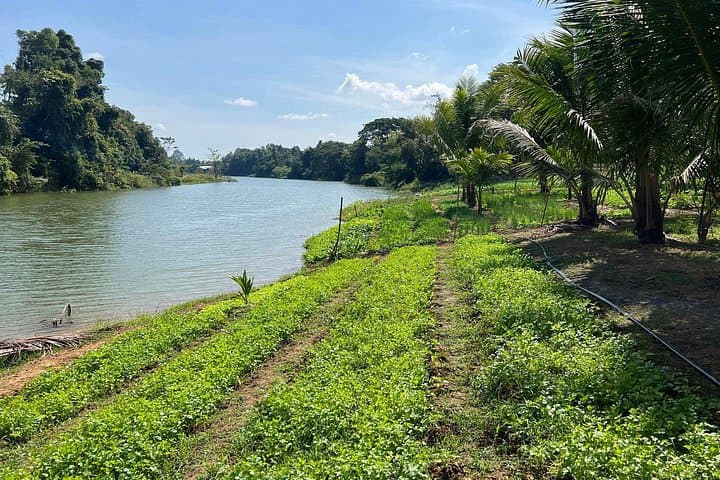
You push off the curb and the tuk‑tuk’s engine breathes you into the countryside: rice paddies stretch like water-colored panels, a staccato of palm fronds tapping the sky. The short hops between markets, temples and cliffside caves let the landscape dictate tempo—sometimes languid, sometimes urgent as the guide motors toward a dusty track.
You push off the curb and the tuk‑tuk’s engine breathes you into the countryside: rice paddies stretch like water-colored panels, a staccato of palm fronds tapping the sky. The short hops between markets, temples and cliffside caves let the landscape dictate tempo—sometimes languid, sometimes urgent as the guide motors toward a dusty track.
Battambang’s landscape is plain and volcanic outcrops, punctuated by Phnom Sampov, whose limestone faces host caves and a bat colony that thickens into a living river at dusk. The province carries layers of history: pre‑Angkorian shrines, French colonial facades in town, and darker traces of the Khmer Rouge at the killing caves—sites that ask for sober curiosity and respect.
Culture here moves at village pace: farmers cut rice by hand, women fry banana fritters beside market stalls, and craftsmen shape bamboo into temporary rail platforms for the famed bamboo train. The interplay of geology and human use—karst cliffs providing cave roosts, flat alluvium feeding lush rice beds—creates dramatic, accessible scenery.
Practical guidance: this is a low‑impact, low‑effort excursion that rewards timing—arrive at Phnom Sampov before sunset to see the bats. Wear sturdy shoes for temple steps and cave approaches, bring mosquito protection, and carry a refillable bottle; bottled water is provided but refills reduce plastic. Expect short walks, photo stops, and opportunities to purchase snacks and souvenirs from local vendors. The guide handles logistics and drop‑off, leaving you to watch the light change over the paddies as the tuk‑tuk hums back toward town.