THE ADVENTURE COLLECTIVE® · Independent discovery and booking for outdoor travel

Walk Battambang’s French-era streets and quieter alleys with a local guide who traces colonial prosperity, wartime history, and living cultural traditions. This 3–4 hour tour blends architecture, markets, and temple visits with practical tips for timing, gear, and etiquette.
Walk Battambang’s French-era streets and quieter alleys with a local guide who traces colonial prosperity, wartime history, and living cultural traditions. This 3–4 hour tour blends architecture, markets, and temple visits with practical tips for timing, gear, and etiquette.
You step off the tuk-tuk into a street where French facades push sunlight into shaded arcades and the Sangker River tugs at the city edge, daring you to wander.
Verified experiences and guided adventures in the surrounding area.
Operated by The Adventure Bike · Battambang, Battambang Province
You step off the tuk-tuk into a street where French facades push sunlight into shaded arcades and the Sangker River tugs at the city edge, daring you to wander.
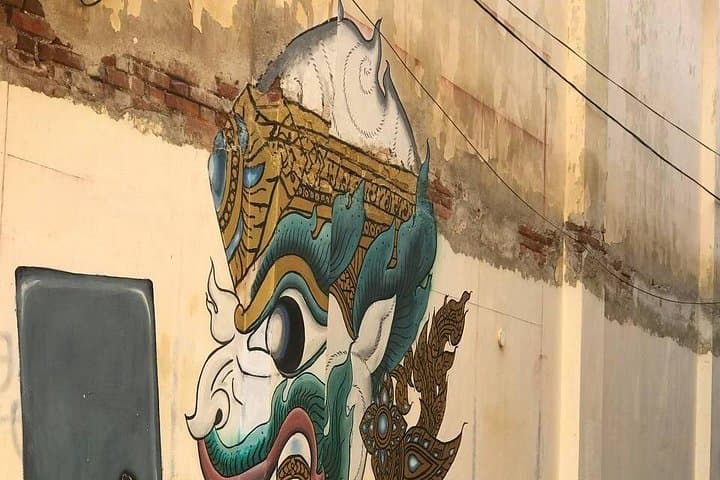
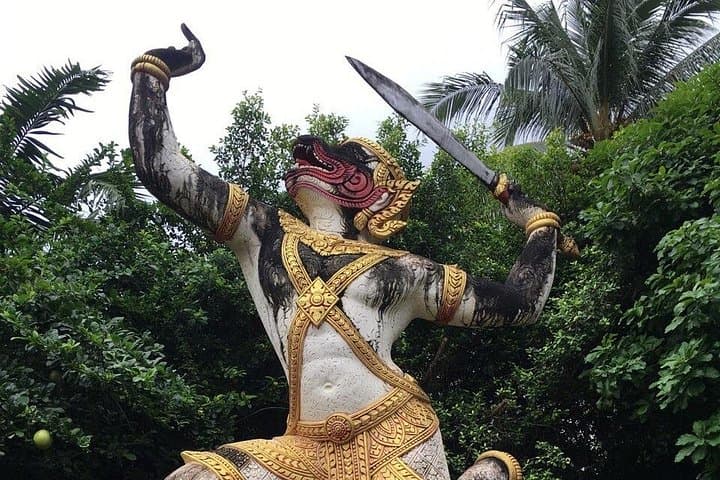
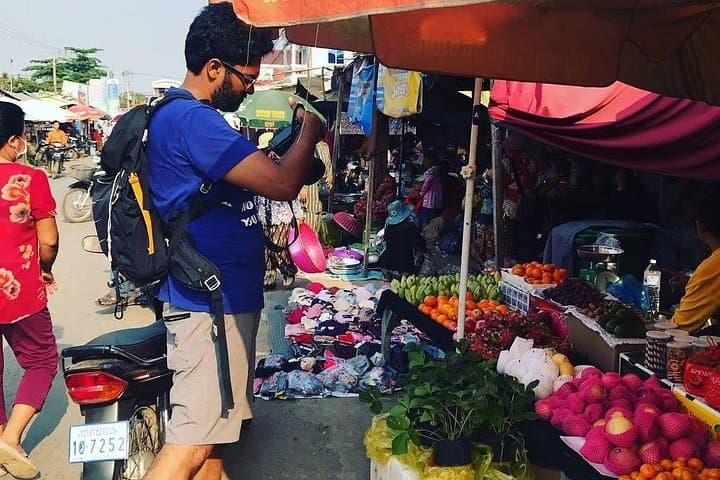
This Battambang walking tour threads through market stalls, whitewashed colonial houses and small temple courtyards. Guides born in the city point out the 300-house neighborhood built during the French period, the Indochina Bank façade, and the quieter alleys where Chinese and Khmer influences overlap. The narrative moves from trade-center prosperity to the shadow of the Khmer Rouge years—sites and stories that show how a regional trading hub transformed across empires and conflict.
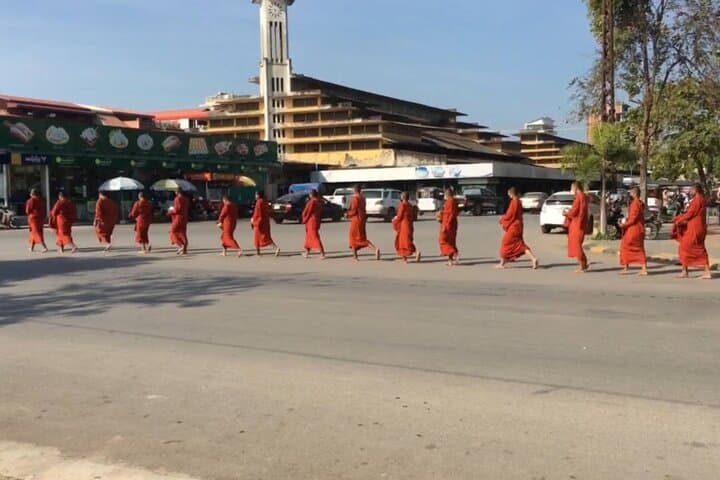
Geology here is gentle: flat alluvial plains and the slow meander of the Sangker create the rice-paddy horizon that shaped local livelihoods. Culture is tactile—monks’ saffron robes, incense at Chinese shrines, and vendors arranging produce on wooden carts. Local insights come from a guide who grew up in Battambang; their knowledge reveals lesser-known plaques, memorials, and a rooftop view over the Central Market's French roofline.
Practical guidance: expect 3–4 hours of mostly flat walking on paved and uneven sidewalks; wear comfortable shoes and sun protection. Morning light is best for photographs and for cooler temperatures; afternoons can be hot and humid. Bring a refillable water bottle (filtered water often provided), modest clothing for temple visits, and a small umbrella for sudden rain. The tour is accessible and family-friendly, but carry cash for small donations and market purchases.
easy.
3–4 hours.
Suitable for most fitness levels; involves several miles of easy urban walking with occasional steps or uneven sidewalks.
The tour runs about 3–4 hours and covers a few kilometers of city streets and short alleyways—comfortable for casual walkers.
This standard group tour focuses on exterior sites and local landmarks; any paid museum admissions are typically not included—check with the operator beforehand.
Yes—routes are flat and paced for general audiences, but participants should be steady on their feet on some uneven sidewalks.
Guides are English-speaking locals; confirm language needs when booking to ensure the right guide is assigned.
Battambang was an important Khmer and later Franco-Thai trading center; its streets and colonial buildings reflect waves of foreign control and the scars of 20th-century conflict.
Local guides emphasize preserving historic facades and reducing litter; visitors are encouraged to support community-run sites and avoid disturbing memorials.
The Adventure Bike operates guided outdoor trips and adventures with an emphasis on safety, stewardship, and memorable experiences.
You step off the tuk-tuk into a street where French facades push sunlight into shaded arcades and the Sangker River tugs at the city edge, daring you to wander.
You step off the tuk-tuk into a street where French facades push sunlight into shaded arcades and the Sangker River tugs at the city edge, daring you to wander.
This Battambang walking tour threads through market stalls, whitewashed colonial houses and small temple courtyards. Guides born in the city point out the 300-house neighborhood built during the French period, the Indochina Bank façade, and the quieter alleys where Chinese and Khmer influences overlap. The narrative moves from trade-center prosperity to the shadow of the Khmer Rouge years—sites and stories that show how a regional trading hub transformed across empires and conflict.
Geology here is gentle: flat alluvial plains and the slow meander of the Sangker create the rice-paddy horizon that shaped local livelihoods. Culture is tactile—monks’ saffron robes, incense at Chinese shrines, and vendors arranging produce on wooden carts. Local insights come from a guide who grew up in Battambang; their knowledge reveals lesser-known plaques, memorials, and a rooftop view over the Central Market's French roofline.
Practical guidance: expect 3–4 hours of mostly flat walking on paved and uneven sidewalks; wear comfortable shoes and sun protection. Morning light is best for photographs and for cooler temperatures; afternoons can be hot and humid. Bring a refillable water bottle (filtered water often provided), modest clothing for temple visits, and a small umbrella for sudden rain. The tour is accessible and family-friendly, but carry cash for small donations and market purchases.