THE ADVENTURE COLLECTIVE® · Independent discovery and booking for outdoor travel

Ride a traditional bamboo train, walk ancient temple ruins older than Angkor, and watch millions of bats pour from caves at dusk — all in a single day from Battambang by tuk tuk. This full‑day tour pairs local craft visits with hard history and wide country views.
Ride a traditional bamboo train, walk ancient temple ruins older than Angkor, and watch millions of bats pour from caves at dusk — all in a single day from Battambang by tuk tuk. This full‑day tour pairs local craft visits with hard history and wide country views.
The morning light in Battambang arrives soft and immediate: a tuk tuk slips past faded French facades, and farmers wave from roadside fields as banana leaves flirt with the breeze. By mid-morning the vehicle threads narrow lanes where children call "Hello!" and the countryside opens into rice paddies, fruit plots and low wooden houses — a working landscape that sets the pace for a full day of local life, history and sudden panoramas.
Verified experiences and guided adventures in the surrounding area.
Operated by Battambang tours by bun · Battambang, Battambang Province
The morning light in Battambang arrives soft and immediate: a tuk tuk slips past faded French facades, and farmers wave from roadside fields as banana leaves flirt with the breeze. By mid-morning the vehicle threads narrow lanes where children call "Hello!" and the countryside opens into rice paddies, fruit plots and low wooden houses — a working landscape that sets the pace for a full day of local life, history and sudden panoramas.
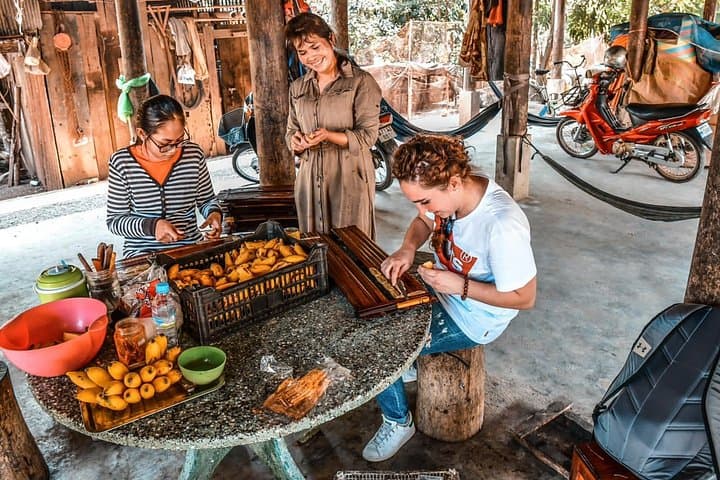
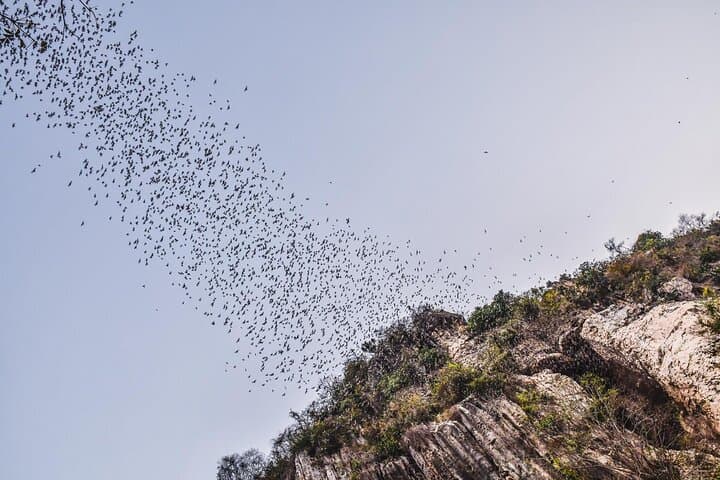
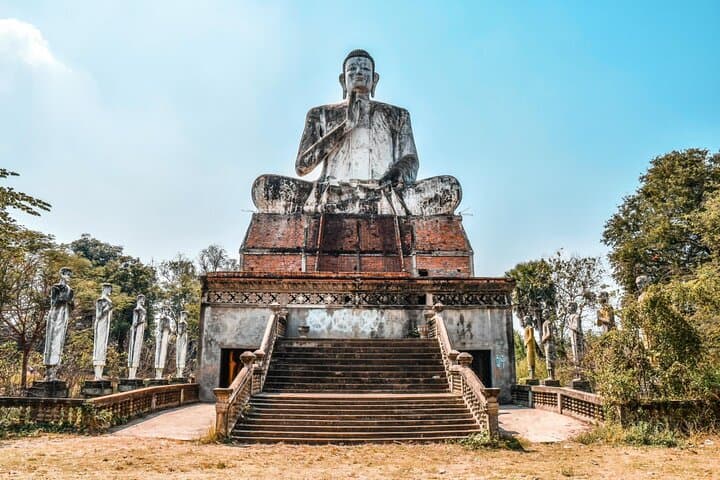
This itinerary stitches together eras: colonial buildings in town, Ek Phnom’s 11th‑century stonework that predates Angkor, and Phnom Sampov — a limestone rise whose caves hold physical reminders of the Khmer Rouge era. Geology here favours karst and cave systems; bats roost by the thousands and at dusk stream from apertures like a living, writhing ribbon. Culture sits in micro-scenes — families making sticky rice, rice paper and fermented fish paste — crafts still practiced at small scales and offered to visitors as samples.
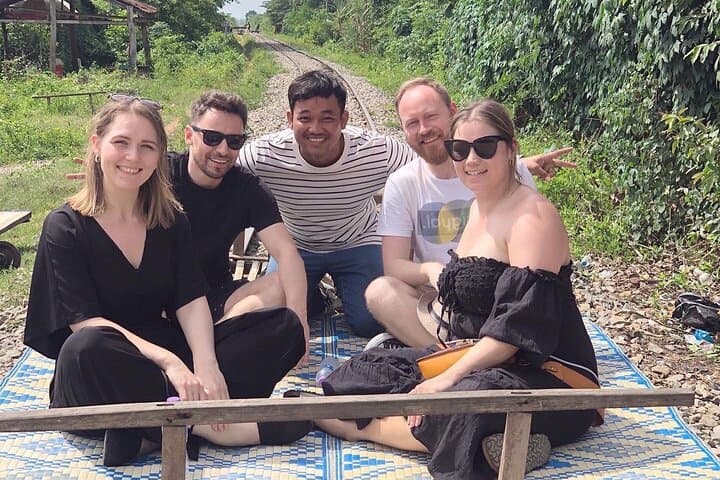
Practically, the day is long but accessible. Expect short walks, stair climbs at Phnom Sampov (vehicle or motorbike ascent available), and a bumpy bamboo‑train ride that still runs on patched rails (small cash fee onsite). Bottled water and snacks are usually provided, but bring a refillable bottle, sun protection and modest clothing for temples. Watch monkeys at Phnom Sampov from a distance; they can be bold. Photography is straightforward; carry small change for entrance fees and local donations. This is a day that balances moving through landscape with stops to meet people and place — a strong, human-scale way to see Battambang.
moderate.
9–10 hours.
Suitable for people with basic fitness; expect short hikes, stairs and bumpy rides—ability to climb steps helpful
The ride often requires a small on-site fee (around $5); the tour provides transportation but the bamboo train operator usually collects payment separately.
Admission for Phnom Sampov and the bat cave is generally included with many tour packages, but confirm with your provider; donations at memorials are customary.
Yes — the itinerary is family-friendly, but infants should be on laps for tuk tuk travel and parents should supervise near cliffs, caves and monkeys.
The bat exodus typically lasts 30–40 minutes at dusk; timing varies with season and weather so guides schedule return to coincide with peak flight.
Battambang region has layers of history from 11th‑century Khmer shrines like Ek Phnom to 20th‑century sites at Phnom Sampov connected to the Khmer Rouge era.
Tours support local families through direct purchases and small donations; visitors should avoid littering, stay on paths and minimize disturbance to bat roosts and temple sites.
Battambang tours by bun operates guided outdoor trips and adventures with an emphasis on safety, stewardship, and memorable experiences.
The morning light in Battambang arrives soft and immediate: a tuk tuk slips past faded French facades, and farmers wave from roadside fields as banana leaves flirt with the breeze. By mid-morning the vehicle threads narrow lanes where children call "Hello!" and the countryside opens into rice paddies, fruit plots and low wooden houses — a working landscape that sets the pace for a full day of local life, history and sudden panoramas.
The morning light in Battambang arrives soft and immediate: a tuk tuk slips past faded French facades, and farmers wave from roadside fields as banana leaves flirt with the breeze. By mid-morning the vehicle threads narrow lanes where children call "Hello!" and the countryside opens into rice paddies, fruit plots and low wooden houses — a working landscape that sets the pace for a full day of local life, history and sudden panoramas.
This itinerary stitches together eras: colonial buildings in town, Ek Phnom’s 11th‑century stonework that predates Angkor, and Phnom Sampov — a limestone rise whose caves hold physical reminders of the Khmer Rouge era. Geology here favours karst and cave systems; bats roost by the thousands and at dusk stream from apertures like a living, writhing ribbon. Culture sits in micro-scenes — families making sticky rice, rice paper and fermented fish paste — crafts still practiced at small scales and offered to visitors as samples.
Practically, the day is long but accessible. Expect short walks, stair climbs at Phnom Sampov (vehicle or motorbike ascent available), and a bumpy bamboo‑train ride that still runs on patched rails (small cash fee onsite). Bottled water and snacks are usually provided, but bring a refillable bottle, sun protection and modest clothing for temples. Watch monkeys at Phnom Sampov from a distance; they can be bold. Photography is straightforward; carry small change for entrance fees and local donations. This is a day that balances moving through landscape with stops to meet people and place — a strong, human-scale way to see Battambang.