THE ADVENTURE COLLECTIVE® · Independent discovery and booking for outdoor travel

A full-day escape from Siem Reap to Battambang that pairs a timeless bamboo-train ride with the dramatic sunset exodus of bats from Phnom Sampeau. Expect rural roads, colonial architecture, and hands-on local crafts.
A full-day escape from Siem Reap to Battambang that pairs a timeless bamboo-train ride with the dramatic sunset exodus of bats from Phnom Sampeau. Expect rural roads, colonial architecture, and hands-on local crafts.
You leave Siem Reap before dawn and the highway dissolves into a ribbon of rice paddies and low hills; the air tastes faintly of dry earth and palm smoke. Three hours later, Battambang’s provincial calm arrives — a place where colonial facades and village life sit side by side. The day moves in clear stages: a quick visit to the low hill ruins of Ek Phnom, a rice-paper workshop where hands still press sheets in sunlight, and a stroll through Psa Nat market where produce and chatter define the pace.
Verified experiences and guided adventures in the surrounding area.
Operated by Green Era Travel · Battambang, Battambang Province
You leave Siem Reap before dawn and the highway dissolves into a ribbon of rice paddies and low hills; the air tastes faintly of dry earth and palm smoke. Three hours later, Battambang’s provincial calm arrives — a place where colonial facades and village life sit side by side. The day moves in clear stages: a quick visit to the low hill ruins of Ek Phnom, a rice-paper workshop where hands still press sheets in sunlight, and a stroll through Psa Nat market where produce and chatter define the pace.
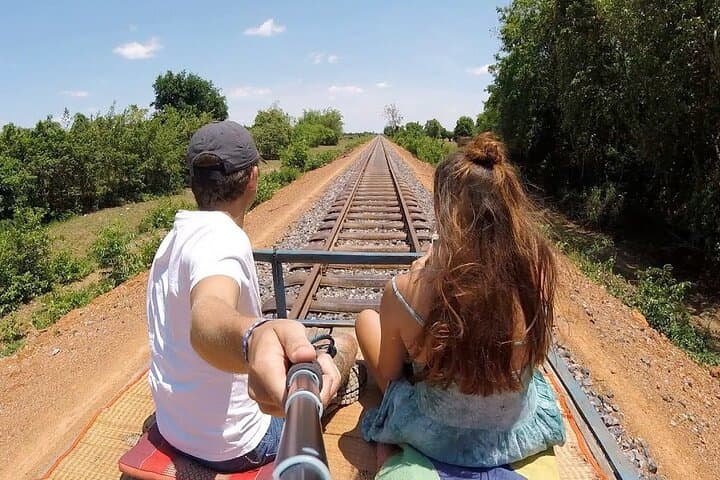
The signature ride is the bamboo train — a simple, improvised flat platform on rails that hums across farmland. It’s fast enough to feel alive, slow enough to read the fields. Phnom Sampeau holds the finale: as sunset drops, millions of bats pour from a mouth of limestone, a living river of small wings that turns the sky into motion.
Historically the sites span eras — Ek Phnom dates to the Bayon period while Battambang’s downtown preserves French colonial lines. Geologically, Phnom Sampeau is karst limestone with caves carved by seasonal water and bat activity.
Practicalities: the tour runs 11–13 hours with hotel pickup and returns to Siem Reap. Carry cash for small purchases, wear sturdy closed shoes for uneven temple steps and train platforms, and bring mosquito repellent. Respect the bats: keep flash off and quiet during exit times. Expect basic restroom facilities at stops and a steady pace with short walks; moderate fitness makes the day more comfortable. The trip balances culture and kinetic local transport — ideal for travelers who want an active, single-day window into rural Cambodia.
moderate.
11–13 hours.
Moderate fitness recommended: able to board the bamboo train, walk short temple trails and stand during the bat emergence.
The route takes about three hours each way by private car or minivan, depending on traffic and road conditions.
The bamboo train is a low‑speed, informal attraction—children should be supervised closely and remain seated during the ride.
Bats generally leave the cave at sunset; timing varies seasonally—arrive 20–30 minutes before sunset for best viewing.
Light refreshments and bottled water are provided; a lunch stop is normally arranged but check if vegetarian options are required when booking.
Ek Phnom was constructed during the Bayon era and shows later village additions; Battambang’s downtown reflects French colonial planning from the 19th and early 20th centuries.
The bat colony is ecologically important—avoid flash and loud noise; support local craft workshops to help sustain traditional livelihoods.
Green Era Travel operates guided outdoor trips and adventures with an emphasis on safety, stewardship, and memorable experiences.
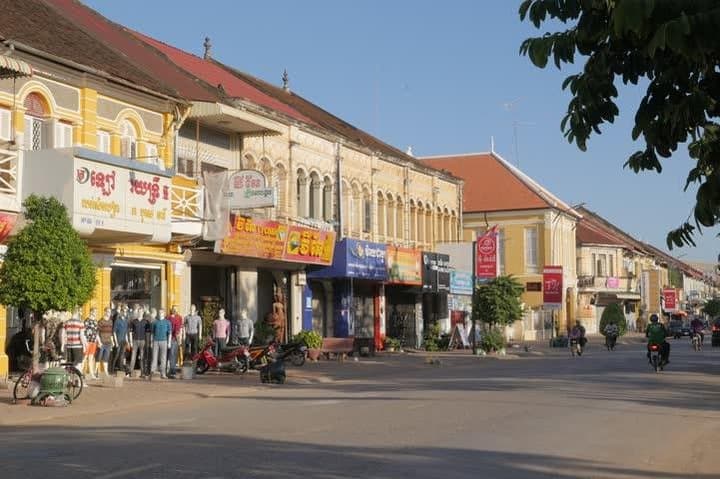
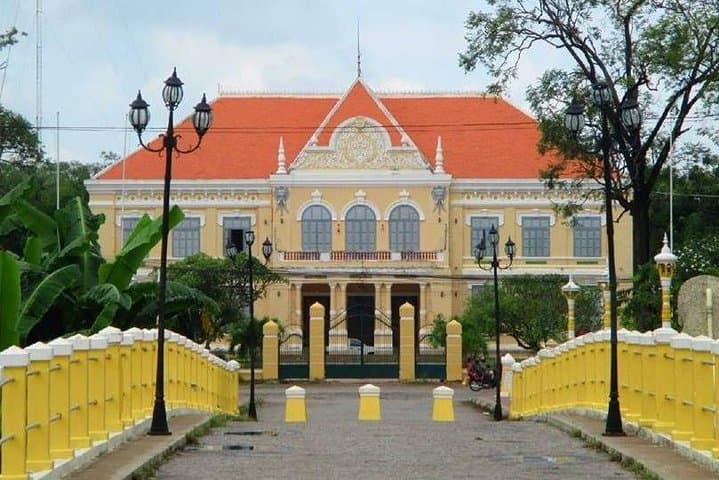
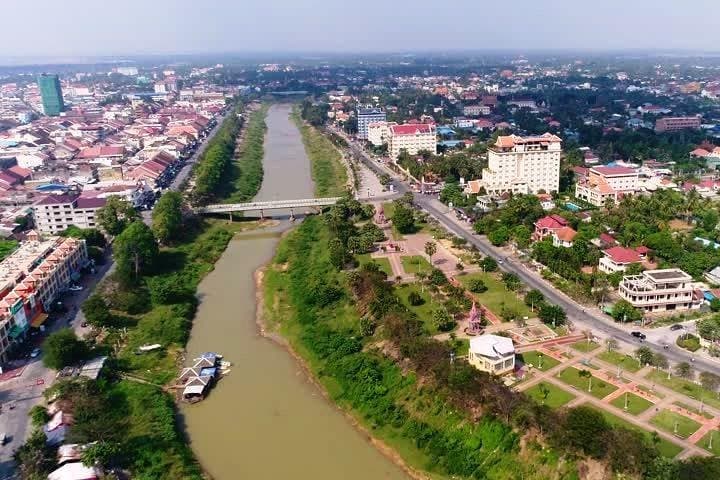
You leave Siem Reap before dawn and the highway dissolves into a ribbon of rice paddies and low hills; the air tastes faintly of dry earth and palm smoke. Three hours later, Battambang’s provincial calm arrives — a place where colonial facades and village life sit side by side. The day moves in clear stages: a quick visit to the low hill ruins of Ek Phnom, a rice-paper workshop where hands still press sheets in sunlight, and a stroll through Psa Nat market where produce and chatter define the pace.
You leave Siem Reap before dawn and the highway dissolves into a ribbon of rice paddies and low hills; the air tastes faintly of dry earth and palm smoke. Three hours later, Battambang’s provincial calm arrives — a place where colonial facades and village life sit side by side. The day moves in clear stages: a quick visit to the low hill ruins of Ek Phnom, a rice-paper workshop where hands still press sheets in sunlight, and a stroll through Psa Nat market where produce and chatter define the pace.
The signature ride is the bamboo train — a simple, improvised flat platform on rails that hums across farmland. It’s fast enough to feel alive, slow enough to read the fields. Phnom Sampeau holds the finale: as sunset drops, millions of bats pour from a mouth of limestone, a living river of small wings that turns the sky into motion.
Historically the sites span eras — Ek Phnom dates to the Bayon period while Battambang’s downtown preserves French colonial lines. Geologically, Phnom Sampeau is karst limestone with caves carved by seasonal water and bat activity.
Practicalities: the tour runs 11–13 hours with hotel pickup and returns to Siem Reap. Carry cash for small purchases, wear sturdy closed shoes for uneven temple steps and train platforms, and bring mosquito repellent. Respect the bats: keep flash off and quiet during exit times. Expect basic restroom facilities at stops and a steady pace with short walks; moderate fitness makes the day more comfortable. The trip balances culture and kinetic local transport — ideal for travelers who want an active, single-day window into rural Cambodia.