THE ADVENTURE COLLECTIVE® · Independent discovery and booking for outdoor travel

Explore Battambang with a private guide: riverside French architecture, an 11th-century temple, century-old wooden homes, and a jolt of fun on the bamboo train. Finish at Phnom Sampeau for the bat cave spectacle at dusk.
Explore Battambang with a private guide: riverside French architecture, an 11th-century temple, century-old wooden homes, and a jolt of fun on the bamboo train. Finish at Phnom Sampeau for the bat cave spectacle at dusk.
Step off the tuk-tuk and the river seems to pull the town along with it — slow, obliging, and a little mischievous. Battambang’s low-slung French facades and wooden stilt houses slip by as a local guide sketches the city’s story: colonial trade, Khmer village life, and a railway repurposed into the playful bamboo train.
Verified experiences and guided adventures in the surrounding area.
Operated by Around Cambodia Travel · Battambang, Battambang Province
Step off the tuk-tuk and the river seems to pull the town along with it — slow, obliging, and a little mischievous. Battambang’s low-slung French facades and wooden stilt houses slip by as a local guide sketches the city’s story: colonial trade, Khmer village life, and a railway repurposed into the playful bamboo train.
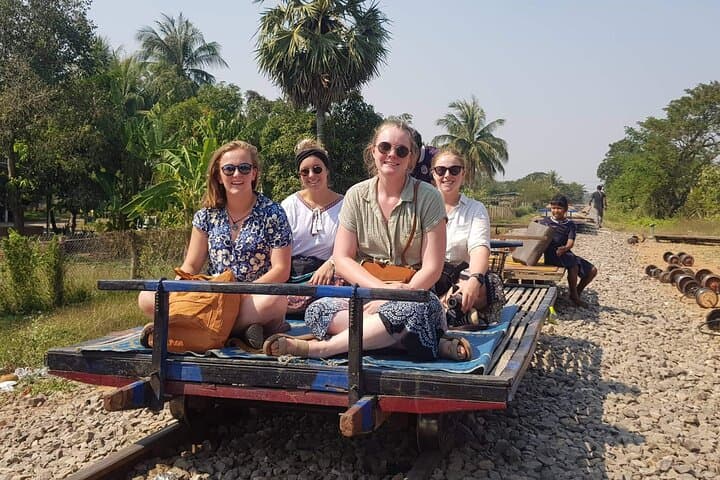
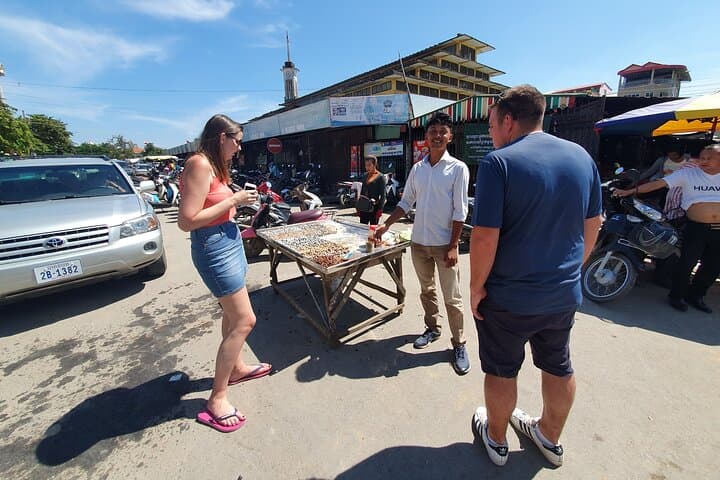
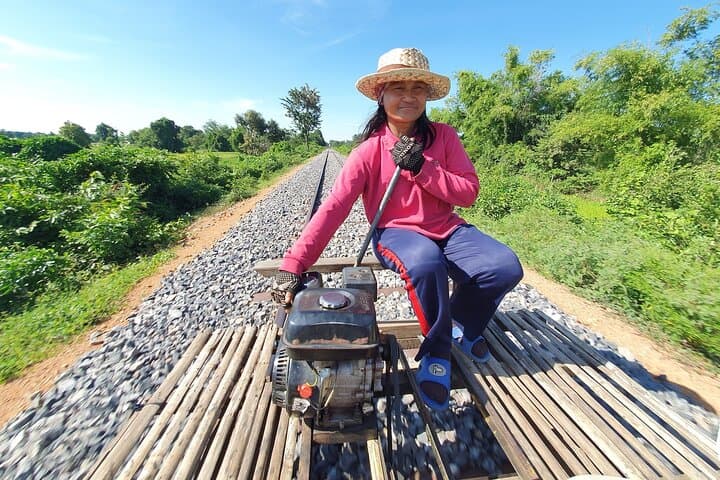
The route threads history into present-day practice. Walk the riverside market where French-era architecture squares up with fresh fruit stalls; visit Ek Phnom’s crumbling 11th-century masonry beside a modern monastery and a vast seated Buddha. The bamboo train stretches the region’s railway legacy into a hands-on cultural moment — a quick, bumpy look at rural logistics reinvented as travel. In the evening, the bat cave at Phnom Sampeau offers a wildlife curtain call as thousands of bats peel off the cliff edge at dusk.
Geology is quiet but present: low karst outcrops punctuate flat rice plains, and the sediment-rich riverbanks feed the plantations you’ll pass. Culturally, expect frank, friendly storytelling from guides who translate local foods like prohok and reveal how the market rhythms still govern daily life.
Practicalities: this private tour runs about 4–5 hours, includes private transport and entrance fees, and involves moderate walking on uneven surfaces and short stair climbs. Wear sturdy walking shoes, sun protection, and carry water; plan bookings that time the bat cave at sunset if you want the spectacle. The guide will manage logistics — bring a small day pack and an open attitude.
moderate.
4–5 hours.
Moderate — comfortable walking for several short periods, able to climb stairs and manage uneven surfaces.
The private tour lasts about 4–5 hours depending on traffic and whether you time it for the bat cave at sunset.
The bamboo train is a local attraction run on old rail lines; operators are experienced, but expect a bumpy, open-air ride—children should be supervised.
Yes—this tour’s pricing includes tickets to the attractions listed in the itinerary, as noted in the inclusions.
Yes—this private tour can be adjusted within the time frame; discuss preferences like extra market time or focusing on temples with your guide at booking.
Battambang was an important rice-producing region and spent decades under French protectorate rule; its architecture and rail remnants reflect that colonial era.
Visitors should stick to paths at Phnom Sampeau and avoid littering in markets and rice fields; supporting local guides and vendors helps sustain community-based tourism.
Around Cambodia Travel operates guided outdoor trips and adventures with an emphasis on safety, stewardship, and memorable experiences.
Step off the tuk-tuk and the river seems to pull the town along with it — slow, obliging, and a little mischievous. Battambang’s low-slung French facades and wooden stilt houses slip by as a local guide sketches the city’s story: colonial trade, Khmer village life, and a railway repurposed into the playful bamboo train.
Step off the tuk-tuk and the river seems to pull the town along with it — slow, obliging, and a little mischievous. Battambang’s low-slung French facades and wooden stilt houses slip by as a local guide sketches the city’s story: colonial trade, Khmer village life, and a railway repurposed into the playful bamboo train.
The route threads history into present-day practice. Walk the riverside market where French-era architecture squares up with fresh fruit stalls; visit Ek Phnom’s crumbling 11th-century masonry beside a modern monastery and a vast seated Buddha. The bamboo train stretches the region’s railway legacy into a hands-on cultural moment — a quick, bumpy look at rural logistics reinvented as travel. In the evening, the bat cave at Phnom Sampeau offers a wildlife curtain call as thousands of bats peel off the cliff edge at dusk.
Geology is quiet but present: low karst outcrops punctuate flat rice plains, and the sediment-rich riverbanks feed the plantations you’ll pass. Culturally, expect frank, friendly storytelling from guides who translate local foods like prohok and reveal how the market rhythms still govern daily life.
Practicalities: this private tour runs about 4–5 hours, includes private transport and entrance fees, and involves moderate walking on uneven surfaces and short stair climbs. Wear sturdy walking shoes, sun protection, and carry water; plan bookings that time the bat cave at sunset if you want the spectacle. The guide will manage logistics — bring a small day pack and an open attitude.