THE ADVENTURE COLLECTIVE® · Independent discovery and booking for outdoor travel

Board the iconic bamboo train, climb the 365 steps of Wat Banan and descend into Phnom Sampov’s Killing Caves on a single full‑day trip from Siem Reap. This tour pairs kinetic, low‑tech travel with heavy‑weight history and valley views.
Board the iconic bamboo train, climb the 365 steps of Wat Banan and descend into Phnom Sampov’s Killing Caves on a single full‑day trip from Siem Reap. This tour pairs kinetic, low‑tech travel with heavy‑weight history and valley views.
The day begins before dawn in Siem Reap as the road loosens into paddies and low hills and the air takes on the smell of wet earth and diesel. By mid‑morning you arrive in Battambang, where a short tuk‑tuk ride delivers you to a lattice of warped French rails and the absurd, joyous contraption known locally as the norry — the bamboo train. The platform hums with people and rice sacks; the engine coughs alive and you glide past flooded fields at a surprising clip, the valley unfolding in click‑clack rhythm.
Verified experiences and guided adventures in the surrounding area.
Operated by Passion Indochina Travel · Battambang, Battambang Province
The day begins before dawn in Siem Reap as the road loosens into paddies and low hills and the air takes on the smell of wet earth and diesel. By mid‑morning you arrive in Battambang, where a short tuk‑tuk ride delivers you to a lattice of warped French rails and the absurd, joyous contraption known locally as the norry — the bamboo train. The platform hums with people and rice sacks; the engine coughs alive and you glide past flooded fields at a surprising clip, the valley unfolding in click‑clack rhythm.
This route threads two eras: Wat Banan, an 11th‑century Angkor‑era hill temple accessed by 365 stone steps, and Phnom Sampov, where caves and cliffside shrines sit above a hollow scarred by Cambodia’s recent history. The Killing Caves are sober, their story presented by your guide alongside the natural spectacle of bats spiraling out at dusk.
Geology here favors laterite outcrops and karst pockets that channel water into small wells and caves; the soil keeps rice paddies reflective and bright, and the people keep a pragmatic rhythm of river, road and market. Expect local vendors, tuk‑tuk drivers skilled in short cuts and a guide who balances historical facts with local context.
Practicalities: this is a full‑day, moderately paced outing with vehicle transfers. Wear sturdy shoes for temple steps and cave approaches, carry water and insect repellent, and plan for sun and sudden showers. Bring small cash for entry fees, snacks and tips — and leave room in your schedule to simply watch the valley slow down as the light shifts.
moderate.
8 hours (full‑day).
Suitable for travelers with moderate fitness — comfortable walking, climbing stairs and short steep approaches required.
Pickup and drop‑off are provided from Siem Reap hotels; the trip runs as a round trip with an approximate 3‑hour drive each way to Battambang.
Children can go but supervision is required; the site is a solemn memorial with uneven steps and some steep sections.
Bat flights are seasonal and most visible at dusk; timing and weather affect visibility, so sightings cannot be guaranteed.
The tour indicates bamboo train and some temple admissions are included, but carry small cash for any optional fees or donations.
Wat Banan dates to the Angkor period; Phnom Sampov contains a memorial to victims of the Khmer Rouge, where caves were used during the conflict.
Visitors should stay on trails, avoid removing artifacts and support local guides and vendors to help sustain community‑based tourism and memorial preservation.
Passion Indochina Travel operates guided outdoor trips and adventures with an emphasis on safety, stewardship, and memorable experiences.

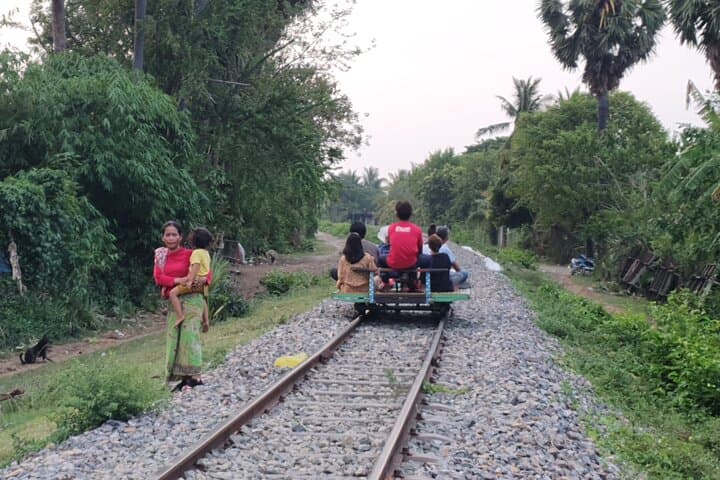
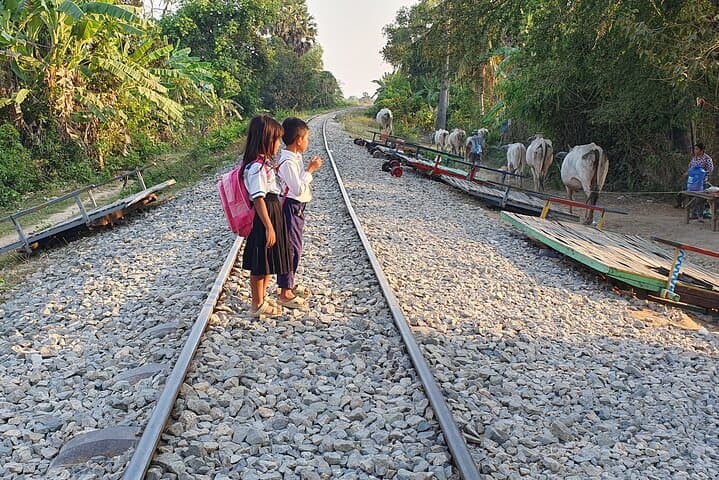
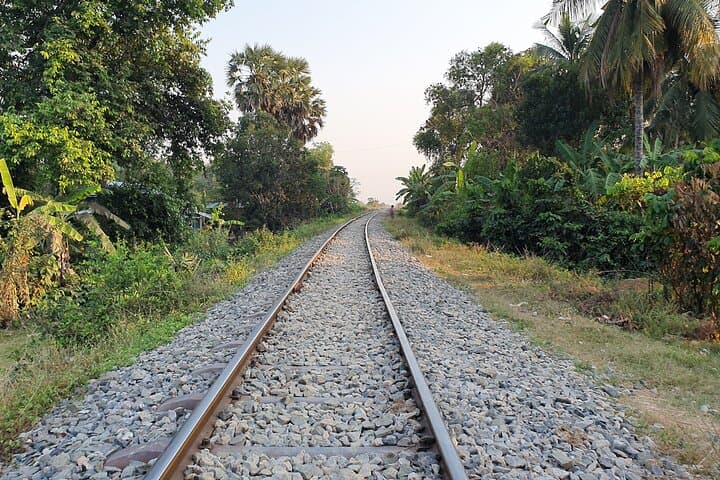
The day begins before dawn in Siem Reap as the road loosens into paddies and low hills and the air takes on the smell of wet earth and diesel. By mid‑morning you arrive in Battambang, where a short tuk‑tuk ride delivers you to a lattice of warped French rails and the absurd, joyous contraption known locally as the norry — the bamboo train. The platform hums with people and rice sacks; the engine coughs alive and you glide past flooded fields at a surprising clip, the valley unfolding in click‑clack rhythm.
The day begins before dawn in Siem Reap as the road loosens into paddies and low hills and the air takes on the smell of wet earth and diesel. By mid‑morning you arrive in Battambang, where a short tuk‑tuk ride delivers you to a lattice of warped French rails and the absurd, joyous contraption known locally as the norry — the bamboo train. The platform hums with people and rice sacks; the engine coughs alive and you glide past flooded fields at a surprising clip, the valley unfolding in click‑clack rhythm.
This route threads two eras: Wat Banan, an 11th‑century Angkor‑era hill temple accessed by 365 stone steps, and Phnom Sampov, where caves and cliffside shrines sit above a hollow scarred by Cambodia’s recent history. The Killing Caves are sober, their story presented by your guide alongside the natural spectacle of bats spiraling out at dusk.
Geology here favors laterite outcrops and karst pockets that channel water into small wells and caves; the soil keeps rice paddies reflective and bright, and the people keep a pragmatic rhythm of river, road and market. Expect local vendors, tuk‑tuk drivers skilled in short cuts and a guide who balances historical facts with local context.
Practicalities: this is a full‑day, moderately paced outing with vehicle transfers. Wear sturdy shoes for temple steps and cave approaches, carry water and insect repellent, and plan for sun and sudden showers. Bring small cash for entry fees, snacks and tips — and leave room in your schedule to simply watch the valley slow down as the light shifts.