THE ADVENTURE COLLECTIVE® · Independent discovery and booking for outdoor travel

Leave Siem Reap before dawn for a full-day excursion into Battambang: Angkorian temples, a quirky bamboo train through rice country, and a dusk bat emergence at Phnom Sampov. This tour blends history, hands-on rural sights, and a natural spectacle—all in one long, rewarding day.
Leave Siem Reap before dawn for a full-day excursion into Battambang: Angkorian temples, a quirky bamboo train through rice country, and a dusk bat emergence at Phnom Sampov. This tour blends history, hands-on rural sights, and a natural spectacle—all in one long, rewarding day.
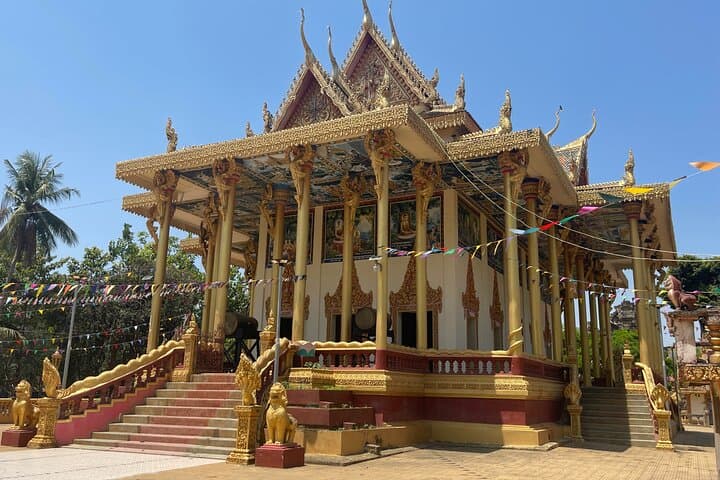
The bus slips out of Siem Reap before the sun warms the rice paddies, and by midmorning Battambang’s low hills and brick temples appear on the horizon. You step onto ancient laterite at Wat Ek Phnom, where stone lintels still hold the stories of the 11th century, and the countryside’s green breath follows you as you continue toward the village tracks.
Verified experiences and guided adventures in the surrounding area.
Operated by Angkor Buddy Tour · Battambang, Battambang Province
The bus slips out of Siem Reap before the sun warms the rice paddies, and by midmorning Battambang’s low hills and brick temples appear on the horizon. You step onto ancient laterite at Wat Ek Phnom, where stone lintels still hold the stories of the 11th century, and the countryside’s green breath follows you as you continue toward the village tracks.
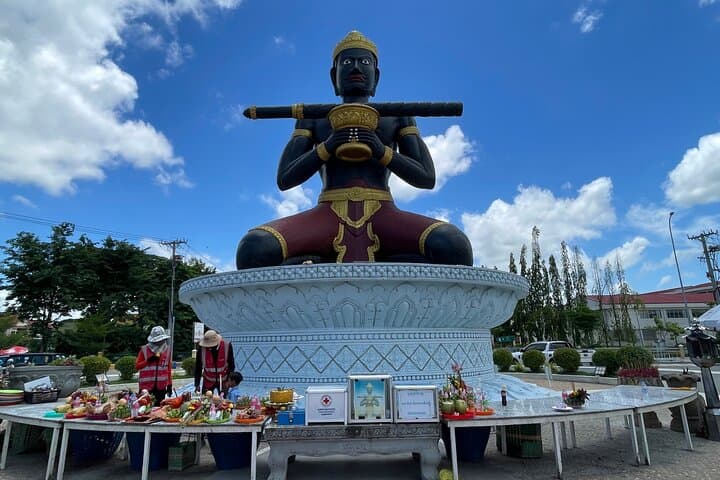
Battambang balances Khmer history and everyday rural life: river crossings that once marked trade routes, pagodas that anchor community rhythms, and temple-topped hills like Wat Banan that watch over flat rice plains. Geologically the region is sedimentary—soft laterite and sandstone shape the temples and the caves where bats roost—while cultural layers from Angkorian kings to local folklore (Ta Dambong’s lost stick) color the itinerary.
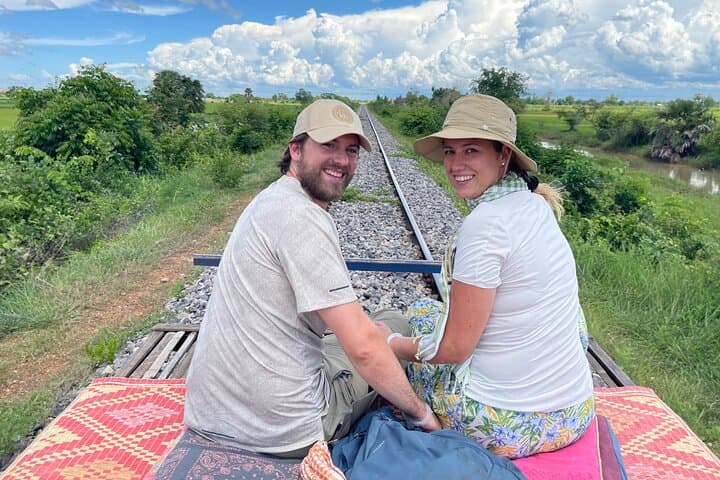
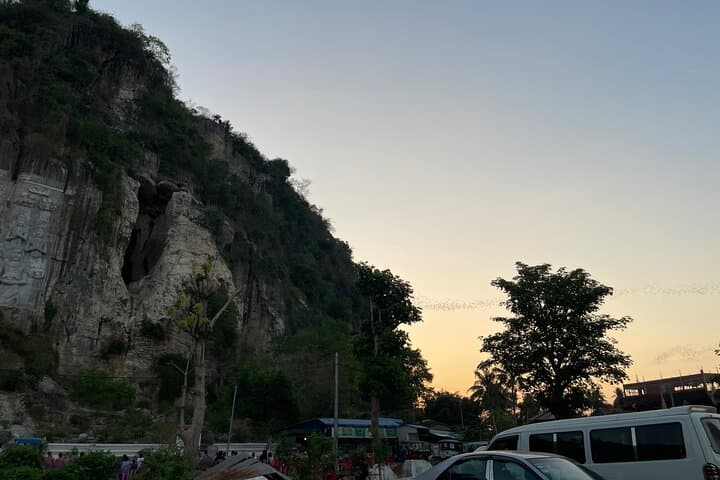
The bamboo train is a human-scale thrill: a lightweight platform, a small engine, and the clacking of rails as fields and home gardens slide past. At dusk Phnom Sampov stages a dramatic exit as thousands of bats stream from cave mouths, a living dusk curtain that both feeds the fields and fascinates onlookers.
Practicalities: the full-day tour is long (about 13–14 hours round trip), so bring water, sun protection, and comfortable shoes for the steep climb at Wat Banan. Expect short walks, uneven steps, and simple restaurant lunches in Battambang. Photography is excellent during golden hours, and timing is crucial for the bat emergence—arrive early to find a good viewpoint. The day pairs cultural history with raw natural spectacle, ideal for travelers who want one full, varied day outside Siem Reap.
moderate.
13–14 hours.
Basic endurance for a long day sitting in transit, short climbs and uneven surfaces; comfortable with multi-hour days.
The one-way drive is roughly 3 hours, depending on traffic and road conditions—plan for about 6 hours round trip in the vehicle.
The bamboo train is a local, informal attraction operated at low speeds; operators are experienced, but expect an open platform and follow staff instructions for boarding and disembarking.
Bats typically emerge around dusk; timing varies by season, so the guide schedules arrival to coincide with sunset—arrive early for the best viewing spots.
The tour lists some admissions as not included; confirm with the operator whether temple entrance fees are covered or payable on-site.
Battambang was an important rice-producing province with Angkorian-era temples and later colonial influences; Wat Banan’s five towers echo Khmer temple design on a smaller scale than Angkor Wat.
Local guides emphasize low-impact viewing at the bat caves—avoid flash photography and loud noises; support community-based tourism to benefit conservation and local livelihoods.
Angkor Buddy Tour operates guided outdoor trips and adventures with an emphasis on safety, stewardship, and memorable experiences.
The bus slips out of Siem Reap before the sun warms the rice paddies, and by midmorning Battambang’s low hills and brick temples appear on the horizon. You step onto ancient laterite at Wat Ek Phnom, where stone lintels still hold the stories of the 11th century, and the countryside’s green breath follows you as you continue toward the village tracks.
The bus slips out of Siem Reap before the sun warms the rice paddies, and by midmorning Battambang’s low hills and brick temples appear on the horizon. You step onto ancient laterite at Wat Ek Phnom, where stone lintels still hold the stories of the 11th century, and the countryside’s green breath follows you as you continue toward the village tracks.
Battambang balances Khmer history and everyday rural life: river crossings that once marked trade routes, pagodas that anchor community rhythms, and temple-topped hills like Wat Banan that watch over flat rice plains. Geologically the region is sedimentary—soft laterite and sandstone shape the temples and the caves where bats roost—while cultural layers from Angkorian kings to local folklore (Ta Dambong’s lost stick) color the itinerary.
The bamboo train is a human-scale thrill: a lightweight platform, a small engine, and the clacking of rails as fields and home gardens slide past. At dusk Phnom Sampov stages a dramatic exit as thousands of bats stream from cave mouths, a living dusk curtain that both feeds the fields and fascinates onlookers.
Practicalities: the full-day tour is long (about 13–14 hours round trip), so bring water, sun protection, and comfortable shoes for the steep climb at Wat Banan. Expect short walks, uneven steps, and simple restaurant lunches in Battambang. Photography is excellent during golden hours, and timing is crucial for the bat emergence—arrive early to find a good viewpoint. The day pairs cultural history with raw natural spectacle, ideal for travelers who want one full, varied day outside Siem Reap.