THE ADVENTURE COLLECTIVE® · Independent discovery and booking for outdoor travel

Spend a half-day out of Battambang riding the original bamboo train, crossing a swinging suspension bridge, tasting orchard fruit, and watching thousands of bats stream from a secret cave at sunset. A community-run experience that mixes simple local transport with village visits and wide, open light for photos.
Spend a half-day out of Battambang riding the original bamboo train, crossing a swinging suspension bridge, tasting orchard fruit, and watching thousands of bats stream from a secret cave at sunset. A community-run experience that mixes simple local transport with village visits and wide, open light for photos.
Late afternoon in Battambang feels like the countryside taking a deep breath: tuk-tuk wheels hum, rice stalks lean toward the road, and the old bamboo train clatters like a local heartbeat. You meet the landscape in motion here — a short city spin past colonial facades, then out where fields open and the river nudges a suspension bridge into view.
Verified experiences and guided adventures in the surrounding area.
Operated by Kim Tours Battambang · Battambang, Battambang Province
Late afternoon in Battambang feels like the countryside taking a deep breath: tuk-tuk wheels hum, rice stalks lean toward the road, and the old bamboo train clatters like a local heartbeat. You meet the landscape in motion here — a short city spin past colonial facades, then out where fields open and the river nudges a suspension bridge into view.
Battambang sits on Cambodia’s northwestern plain, long known for rice production and colonial-era architecture. The improvised bamboo rail carts began as practical transport and now offer a ride through soft, flattened paddy light. Geology is simple — flat alluvium carved by seasonal floods — but the human story is layered: village farming practices, mushroom cultivation handed down in households, and caves that harbor bat colonies at dusk.
Expect hands-on, community-run stops: fruit orchards with seasonal tasting, a mushroom farm demonstration, and a short walk to a “secret” bat cave where thousands of bats pour out at sunset. The suspension bridge is an easy photo stop; the bamboo train is short, open-air, and raw — you sit close to local operators who still run tickets by hand.
Practical edge: bring cash for the bamboo train ticket and farm purchases, insect repellent for dusk at the cave, and a lightweight jacket for the breeze on the bridge. Wear sturdy sandals or low hiking shoes; surfaces are uneven but not steep. The tour runs about 5–6 hours and suits most fitness levels, with moderate stepping on and off tuk-tuks. Timing matters: arrive hungry for sunset and steady light for photography, and follow guides’ safety instructions around the cave and rail sections.
easy.
5–6 hours.
Suitable for most travelers who can step on/off tuk-tuks and walk short uneven paths; no sustained hiking required.
The tour runs about 5–6 hours and typically departs Battambang around 1:00 PM for an afternoon itinerary ending after sunset.
The bamboo train is run by local operators and is generally safe for travelers; follow crew instructions, keep limbs inside the cart, and carry small cash for the ticket fee not always included in bookings.
There are basic facilities at town stops and small stalls at farms; bring snacks or buy fresh fruit on the route—expect simple local offerings rather than full-service restaurants.
Bat emergence is seasonal and timed with sunset; the guide chooses the best viewing time. Avoid entering the cave interior to protect the colony and follow guide safety briefings.
Battambang evolved as a rice-producing hub under French colonial rule; its bamboo rail carts started as pragmatic local transport later adopted by tourism.
Cave ecosystems and bat colonies are sensitive—avoid flash photography and noise during emergence; support local guides and small farms to keep tourism benefits in the community.
Kim Tours Battambang operates guided outdoor trips and adventures with an emphasis on safety, stewardship, and memorable experiences.

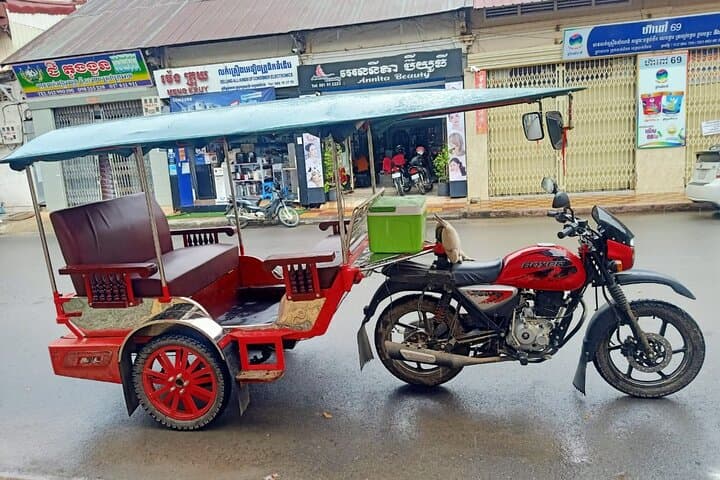
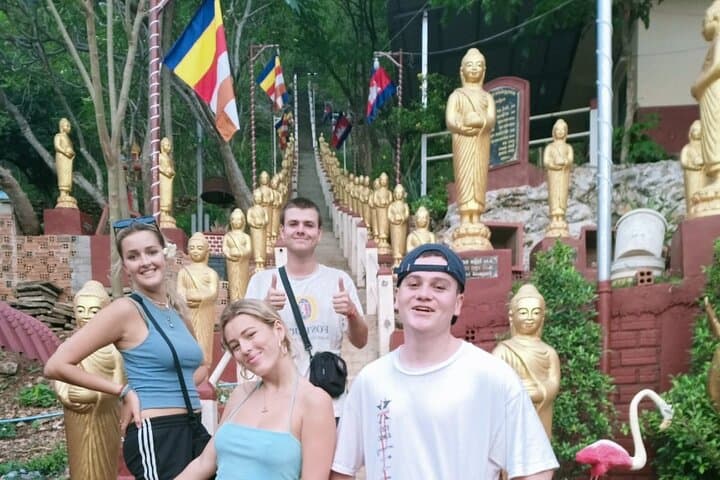
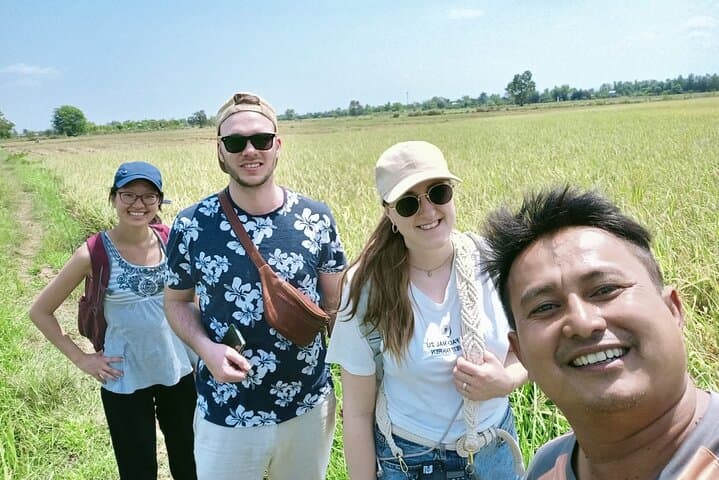
Late afternoon in Battambang feels like the countryside taking a deep breath: tuk-tuk wheels hum, rice stalks lean toward the road, and the old bamboo train clatters like a local heartbeat. You meet the landscape in motion here — a short city spin past colonial facades, then out where fields open and the river nudges a suspension bridge into view.
Late afternoon in Battambang feels like the countryside taking a deep breath: tuk-tuk wheels hum, rice stalks lean toward the road, and the old bamboo train clatters like a local heartbeat. You meet the landscape in motion here — a short city spin past colonial facades, then out where fields open and the river nudges a suspension bridge into view.
Battambang sits on Cambodia’s northwestern plain, long known for rice production and colonial-era architecture. The improvised bamboo rail carts began as practical transport and now offer a ride through soft, flattened paddy light. Geology is simple — flat alluvium carved by seasonal floods — but the human story is layered: village farming practices, mushroom cultivation handed down in households, and caves that harbor bat colonies at dusk.
Expect hands-on, community-run stops: fruit orchards with seasonal tasting, a mushroom farm demonstration, and a short walk to a “secret” bat cave where thousands of bats pour out at sunset. The suspension bridge is an easy photo stop; the bamboo train is short, open-air, and raw — you sit close to local operators who still run tickets by hand.
Practical edge: bring cash for the bamboo train ticket and farm purchases, insect repellent for dusk at the cave, and a lightweight jacket for the breeze on the bridge. Wear sturdy sandals or low hiking shoes; surfaces are uneven but not steep. The tour runs about 5–6 hours and suits most fitness levels, with moderate stepping on and off tuk-tuks. Timing matters: arrive hungry for sunset and steady light for photography, and follow guides’ safety instructions around the cave and rail sections.