THE ADVENTURE COLLECTIVE® · Independent discovery and booking for outdoor travel

Race or ramble through Baton Rouge in this remote-hosted scavenger hunt that mixes history, street art, and local color. Over about two hours you’ll solve clues, capture challenges on your phone, and discover offbeat city corners guided by a live remote host.
Race or ramble through Baton Rouge in this remote-hosted scavenger hunt that mixes history, street art, and local color. Over about two hours you’ll solve clues, capture challenges on your phone, and discover offbeat city corners guided by a live remote host.
You step off the riverfront and the Mississippi seems to dare you to look closer: barges drift, gulls ride the rising air, and the downtown streets hum with practical, lived-in energy.
Verified experiences and guided adventures in the surrounding area.
Operated by Alley Kat Adventures · Baton Rouge, Louisiana
You step off the riverfront and the Mississippi seems to dare you to look closer: barges drift, gulls ride the rising air, and the downtown streets hum with practical, lived-in energy.
This two-hour city quest threads through Baton Rouge’s layered history — French and Spanish colonial markers, Civil War sites, and the 1930s civic architecture that marks the capital. Geology here is plain and present: streets sit on higher loess bluffs that keep the city above the river’s floodplain, while the waterfront stretches low and open, drawing both industry and birds. Culture shows up loud and specific: Cajun spices in corner cafés, brass notes after dusk, LSU colors on storefronts.
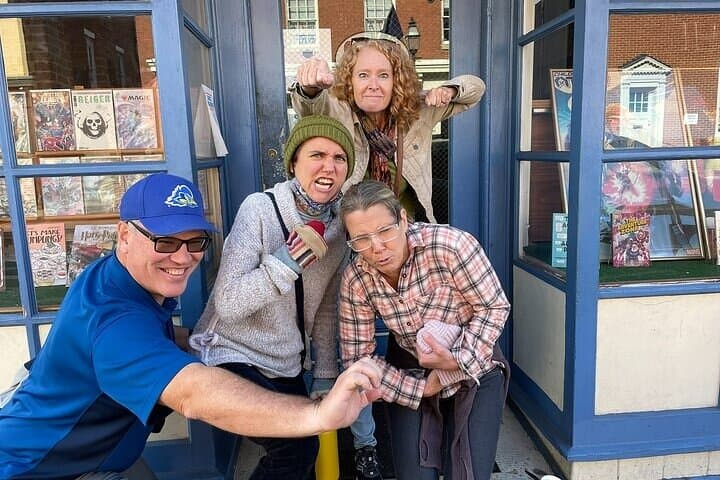
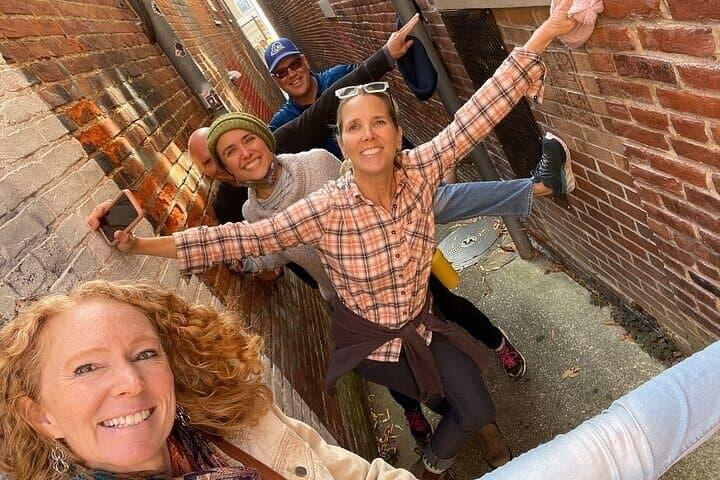
The hunt itself is a hybrid of walking and short drives. Your remote live host sends a digital packet of clues, creative challenges, and bonus tasks; you capture photos and messages via smartphone and score points on an international leaderboard. Stops vary from indoor curios to outdoor murals and public squares, with opportunities to chat with locals to solve a clue or two.
Be practical: charge your phone and plan a sensible loop to avoid rush hour, heat, or LSU game-day snarls. The experience is social, accessible to families and dogs, and wheelchair-friendly in core areas, but pockets of uneven pavement can appear. Hydrate, wear comfortable shoes, and be ready to improvise: the best finds often come from a sidestreet or a shopkeeper’s tip. This is less a race than an invitation to see Baton Rouge with a playful, purposeful stride.
easy.
2 hours.
Suitable for most fitness levels; expect short walking intervals with optional driving between distant stops.
Bring a fully charged smartphone with data, and a backup battery; the host uses text/WhatsApp and you must be able to send photos and messages.
Core areas and many checkpoints are wheelchair and stroller accessible, but some streets and alleys may have uneven surfaces—contact the operator for specific accessibility details.
Yes — the hunt allows short drives between distant points, though many teams prefer a walking loop in denser neighborhoods to avoid parking hassles.
Yes, the experience is dog-friendly in outdoor areas, but indoor stops and some businesses may not admit pets, so plan accordingly.
Baton Rouge grew as a river crossing with French and Spanish colonial roots and has served as Louisiana’s capital since the mid-19th century.
Stay on public sidewalks and trails, respect private property, pack out trash, and support local businesses encountered during the hunt to minimize impact.
Alley Kat Adventures operates guided outdoor trips and adventures with an emphasis on safety, stewardship, and memorable experiences.
You step off the riverfront and the Mississippi seems to dare you to look closer: barges drift, gulls ride the rising air, and the downtown streets hum with practical, lived-in energy.
You step off the riverfront and the Mississippi seems to dare you to look closer: barges drift, gulls ride the rising air, and the downtown streets hum with practical, lived-in energy.
This two-hour city quest threads through Baton Rouge’s layered history — French and Spanish colonial markers, Civil War sites, and the 1930s civic architecture that marks the capital. Geology here is plain and present: streets sit on higher loess bluffs that keep the city above the river’s floodplain, while the waterfront stretches low and open, drawing both industry and birds. Culture shows up loud and specific: Cajun spices in corner cafés, brass notes after dusk, LSU colors on storefronts.
The hunt itself is a hybrid of walking and short drives. Your remote live host sends a digital packet of clues, creative challenges, and bonus tasks; you capture photos and messages via smartphone and score points on an international leaderboard. Stops vary from indoor curios to outdoor murals and public squares, with opportunities to chat with locals to solve a clue or two.
Be practical: charge your phone and plan a sensible loop to avoid rush hour, heat, or LSU game-day snarls. The experience is social, accessible to families and dogs, and wheelchair-friendly in core areas, but pockets of uneven pavement can appear. Hydrate, wear comfortable shoes, and be ready to improvise: the best finds often come from a sidestreet or a shopkeeper’s tip. This is less a race than an invitation to see Baton Rouge with a playful, purposeful stride.