THE ADVENTURE COLLECTIVE® · Independent discovery and booking for outdoor travel

Make a vivid batik tapestry on Estes Park’s Riverwalk in a 90-minute, instructor-led class. Learn wax-resist techniques and take home a finished piece—materials included.
Make a vivid batik tapestry on Estes Park’s Riverwalk in a 90-minute, instructor-led class. Learn wax-resist techniques and take home a finished piece—materials included.
You arrive on Estes Park’s Riverwalk and the river seems to dare you to slow down; the class studio sits two doors down from the Historic Park Theater, windows catching mountain light. Inside, long tables are laid out with bolts of cotton, copper tjanting tools, jars of molten wax and pans of concentrated dye—simple ingredients that yield bold color and texture.
Verified experiences and guided adventures in the surrounding area.
Operated by Inspired Artisan Market & Studio · Estes Park, Colorado
You arrive on Estes Park’s Riverwalk and the river seems to dare you to slow down; the class studio sits two doors down from the Historic Park Theater, windows catching mountain light. Inside, long tables are laid out with bolts of cotton, copper tjanting tools, jars of molten wax and pans of concentrated dye—simple ingredients that yield bold color and texture.
Batik’s roots trace to Indonesia but the technique has been embraced by studios across the American West since the mid-20th century, when craft movements favored hands-on, dye-driven textiles. Estes Park itself began as a mountain gateway and summer arts hub for Rocky Mountain visitors; today the town blends outdoor culture with working studios and seasonal craft fairs.
The geology you notice in the town—granite outcrops and high, dry air—influences dye behavior: colors set faster in low humidity and cooler temps. Locals prize practical, purposeful craft; expect an emphasis on technique over showmanship. The instructor will demonstrate wax lines, crackle effects, and multi-step dye sequences, then guide you as you transfer a design to fabric and bring it to color.
Practical guidance: arrive 10–15 minutes early, wear old clothes or use the studio apron, and plan for a 90-minute, seated session. Participants must be 12+; all tools and materials are provided and finished tapestries go home with you. If you’re combining this with outdoor time, bring a light layer—mountain weather changes fast—and allow extra time to stroll the Riverwalk after class.
easy.
1–1.5 hours.
Suitable for most fitness levels—mostly seated and low-impact; fine motor control and some standing are required.
Participants must be at least 12 years old; minors should be accompanied by an adult when necessary.
Yes—wax, dyes, fabric, tjanting tools and other supplies are included in the class fee.
Yes—the location on the Riverwalk is wheelchair accessible and the studio notes full accessibility.
For a full refund cancel at least 24 hours before the scheduled start time; check the booking confirmation for specifics.
Estes Park developed as a mountain tourism and arts gateway in the late 19th and early 20th centuries, with studios and hotels serving summer visitors to Rocky Mountain National Park.
Be mindful of dye and wax disposal—studios typically manage materials, but avoid rinsing concentrated dyes into storm drains and respect local waste protocols; also follow standard wildlife-distance practices in town and nearby trails.
Inspired Artisan Market & Studio operates guided outdoor trips and adventures with an emphasis on safety, stewardship, and memorable experiences.
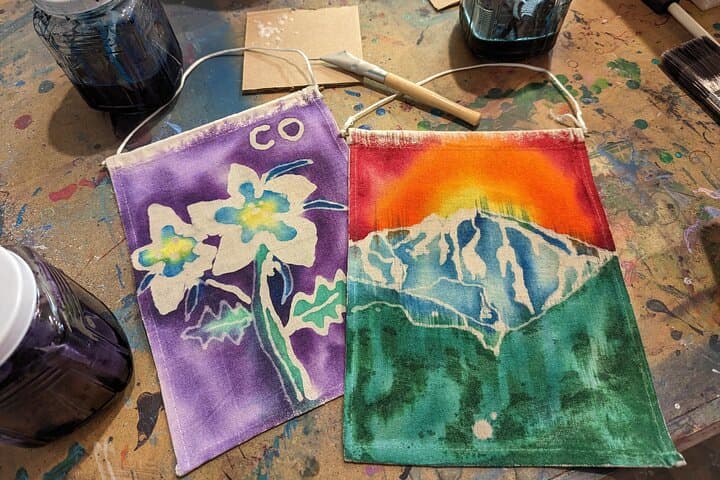
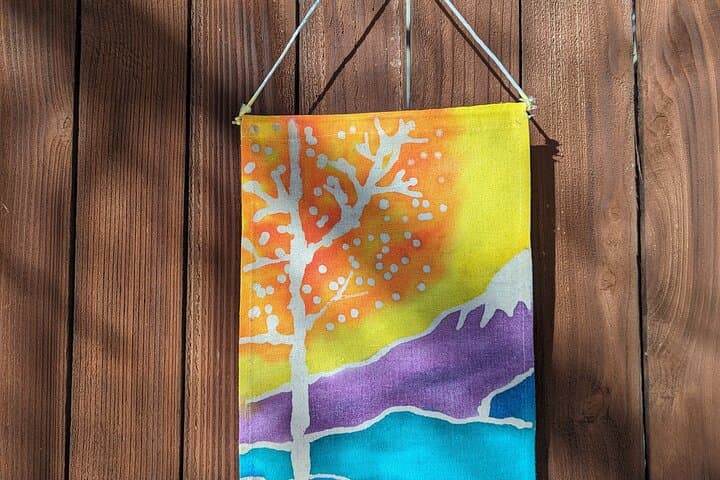
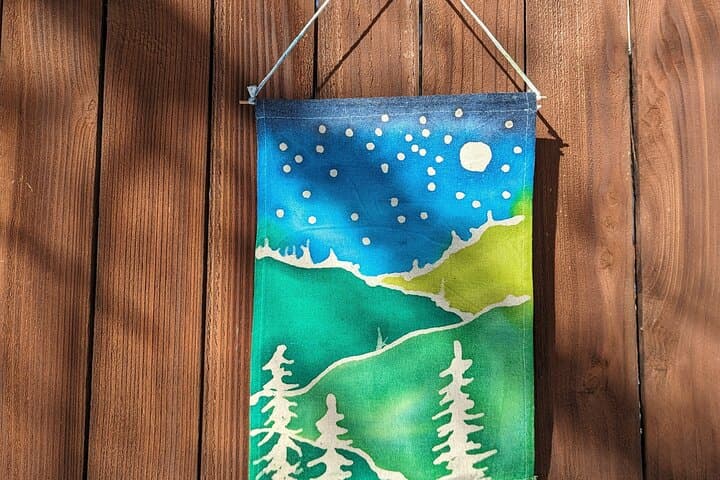
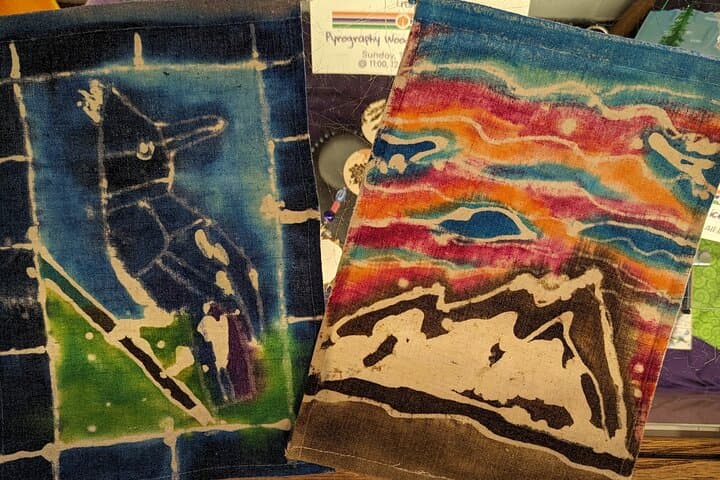
You arrive on Estes Park’s Riverwalk and the river seems to dare you to slow down; the class studio sits two doors down from the Historic Park Theater, windows catching mountain light. Inside, long tables are laid out with bolts of cotton, copper tjanting tools, jars of molten wax and pans of concentrated dye—simple ingredients that yield bold color and texture.
You arrive on Estes Park’s Riverwalk and the river seems to dare you to slow down; the class studio sits two doors down from the Historic Park Theater, windows catching mountain light. Inside, long tables are laid out with bolts of cotton, copper tjanting tools, jars of molten wax and pans of concentrated dye—simple ingredients that yield bold color and texture.
Batik’s roots trace to Indonesia but the technique has been embraced by studios across the American West since the mid-20th century, when craft movements favored hands-on, dye-driven textiles. Estes Park itself began as a mountain gateway and summer arts hub for Rocky Mountain visitors; today the town blends outdoor culture with working studios and seasonal craft fairs.
The geology you notice in the town—granite outcrops and high, dry air—influences dye behavior: colors set faster in low humidity and cooler temps. Locals prize practical, purposeful craft; expect an emphasis on technique over showmanship. The instructor will demonstrate wax lines, crackle effects, and multi-step dye sequences, then guide you as you transfer a design to fabric and bring it to color.
Practical guidance: arrive 10–15 minutes early, wear old clothes or use the studio apron, and plan for a 90-minute, seated session. Participants must be 12+; all tools and materials are provided and finished tapestries go home with you. If you’re combining this with outdoor time, bring a light layer—mountain weather changes fast—and allow extra time to stroll the Riverwalk after class.