THE ADVENTURE COLLECTIVE® · Independent discovery and booking for outdoor travel

Explore Bath’s Roman Baths, Royal Crescent and Georgian streets on a private two‑hour walking tour led by a local guide. Expect close‑up architectural insights, neighborhood anecdotes, and practical recommendations tailored to your group.
Explore Bath’s Roman Baths, Royal Crescent and Georgian streets on a private two‑hour walking tour led by a local guide. Expect close‑up architectural insights, neighborhood anecdotes, and practical recommendations tailored to your group.
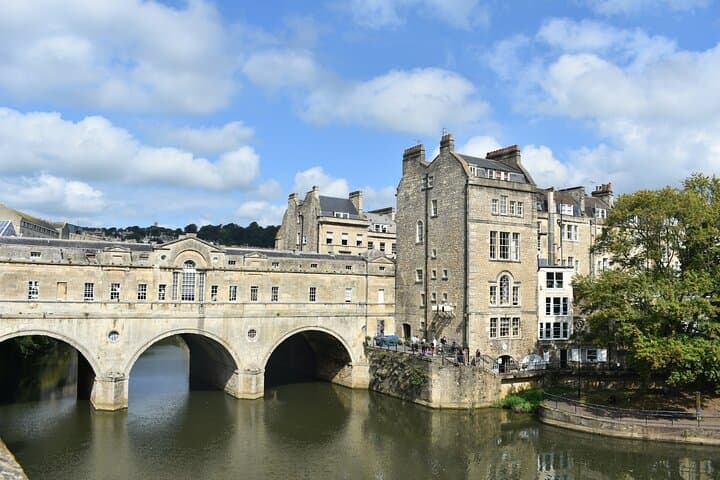
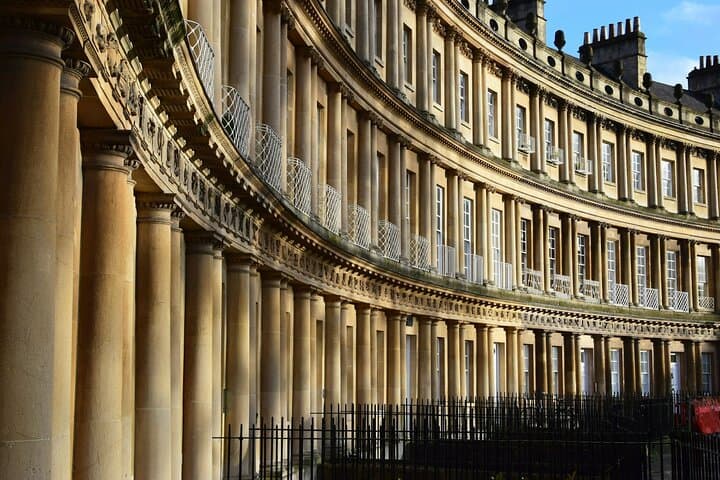
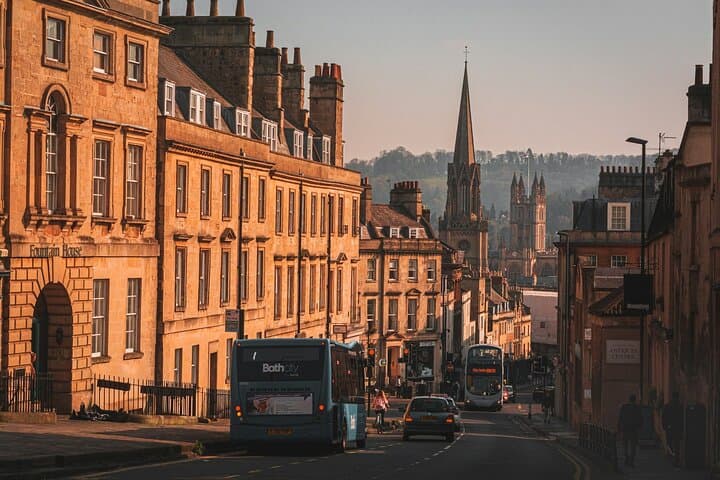
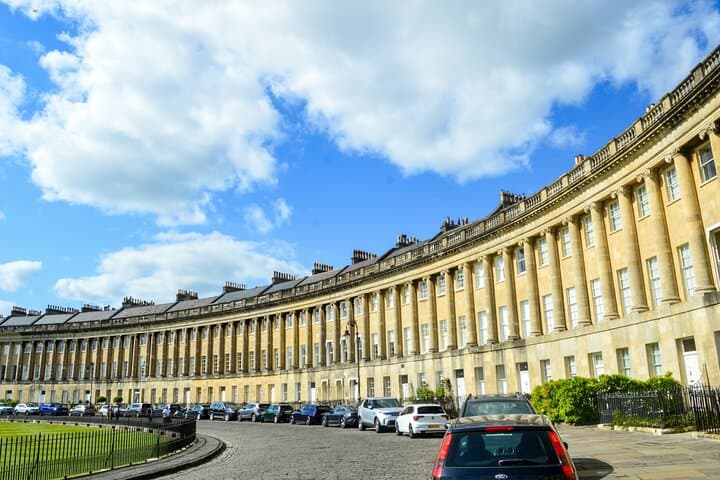
You step off the bus into a street of warm, honey‑colored stone; the air holds a faint mineral tang from the hot springs and the cobbles remember centuries of footsteps. A local guide falls into step, voice low but animated, pointing out a façade where Georgian proportions meet carved friezes and the curve of the Royal Crescent peeks through a narrow lane. The walk moves at a human pace—two hours of close observation and small revelations.
Verified experiences and guided adventures in the surrounding area.
Operated by Tournava · Bath, Somerset
You step off the bus into a street of warm, honey‑colored stone; the air holds a faint mineral tang from the hot springs and the cobbles remember centuries of footsteps. A local guide falls into step, voice low but animated, pointing out a façade where Georgian proportions meet carved friezes and the curve of the Royal Crescent peeks through a narrow lane. The walk moves at a human pace—two hours of close observation and small revelations.
Bath’s story is visible underfoot. Romans routed the city around thermal springs, leaving masonry that still channels warm water; later 18th‑century masons shaped Bath stone into terraces, crescents and classical porticos that define the skyline. Geologically, the city sits on limestone formed from ancient seabeds, giving both the stone its color and the thermal waters their mineral signature. Culturally, Bath became a social hub in Georgian England; its assembly rooms and pump rooms were stages for fashion, literature and scandal, earning spots in Austen’s novels and modern screen dramas alike.
Practical details arrive as naturally as the sights: the route stays mostly level with short flights of steps, frequent photo stops and narrow pedestrian streets. Expect paved surfaces and occasional slick stone in rain. Bring a waterproof layer and comfortable walking shoes; the guide provides local recommendations for museums or a nearby tearoom if you want to linger. Tours are private and adaptable—ideal for families, couples or anyone wanting context to the architecture and hidden corners. Aim for morning light for photos and fewer crowds; if you keep hydration, steady shoes and curiosity, the city unfolds plainly and memorably beneath your feet.
easy.
2 hours.
Suitable for most fitness levels; requires standing and walking on paved surfaces for up to two hours.
Meeting details are provided at booking—most tours begin near Bath Abbey or the city center; your guide confirms the precise spot before departure.
Yes—this private tour is family‑friendly, though some streets are narrow and there are short steps; strollers can be used but a lightweight model is easier to manage.
Full refunds are available if you cancel at least 24 hours before the scheduled start; cancellations within 24 hours are not refundable.
Yes—bookings are confirmed instantly and mobile tickets are accepted; your guide will reach out with any special arrangements.
Bath developed around natural thermal springs first used by the Romans and later transformed into a fashionable Georgian spa town; its city centre is a UNESCO World Heritage Site for its architecture and urban planning.
Bath’s limestone façades and historic sites require ongoing conservation; visitors are encouraged to stick to paths, avoid touching fragile stonework and support local sustainability initiatives.
Tournava operates guided outdoor trips and adventures with an emphasis on safety, stewardship, and memorable experiences.
You step off the bus into a street of warm, honey‑colored stone; the air holds a faint mineral tang from the hot springs and the cobbles remember centuries of footsteps. A local guide falls into step, voice low but animated, pointing out a façade where Georgian proportions meet carved friezes and the curve of the Royal Crescent peeks through a narrow lane. The walk moves at a human pace—two hours of close observation and small revelations.
You step off the bus into a street of warm, honey‑colored stone; the air holds a faint mineral tang from the hot springs and the cobbles remember centuries of footsteps. A local guide falls into step, voice low but animated, pointing out a façade where Georgian proportions meet carved friezes and the curve of the Royal Crescent peeks through a narrow lane. The walk moves at a human pace—two hours of close observation and small revelations.
Bath’s story is visible underfoot. Romans routed the city around thermal springs, leaving masonry that still channels warm water; later 18th‑century masons shaped Bath stone into terraces, crescents and classical porticos that define the skyline. Geologically, the city sits on limestone formed from ancient seabeds, giving both the stone its color and the thermal waters their mineral signature. Culturally, Bath became a social hub in Georgian England; its assembly rooms and pump rooms were stages for fashion, literature and scandal, earning spots in Austen’s novels and modern screen dramas alike.
Practical details arrive as naturally as the sights: the route stays mostly level with short flights of steps, frequent photo stops and narrow pedestrian streets. Expect paved surfaces and occasional slick stone in rain. Bring a waterproof layer and comfortable walking shoes; the guide provides local recommendations for museums or a nearby tearoom if you want to linger. Tours are private and adaptable—ideal for families, couples or anyone wanting context to the architecture and hidden corners. Aim for morning light for photos and fewer crowds; if you keep hydration, steady shoes and curiosity, the city unfolds plainly and memorably beneath your feet.