THE ADVENTURE COLLECTIVE® · Independent discovery and booking for outdoor travel

Explore Bath’s honey-stone streets, Pulteney Bridge and the vaulted interior of Bath Abbey on a three-hour private walking tour. Learn Roman, Georgian and Austen-era stories while getting practical tips for navigating cobbles and weather.
Explore Bath’s honey-stone streets, Pulteney Bridge and the vaulted interior of Bath Abbey on a three-hour private walking tour. Learn Roman, Georgian and Austen-era stories while getting practical tips for navigating cobbles and weather.
A cool morning in Bath feels like stepping into a well-used stage set: cobbled streets damp with river mist, warm honey-colored stone glowing as the sun climbs, and a guide tapping a map while you listen for the echo of distant bells.
Verified experiences and guided adventures in the surrounding area.
Operated by Travel Curious · Bath, Somerset
A cool morning in Bath feels like stepping into a well-used stage set: cobbled streets damp with river mist, warm honey-colored stone glowing as the sun climbs, and a guide tapping a map while you listen for the echo of distant bells.
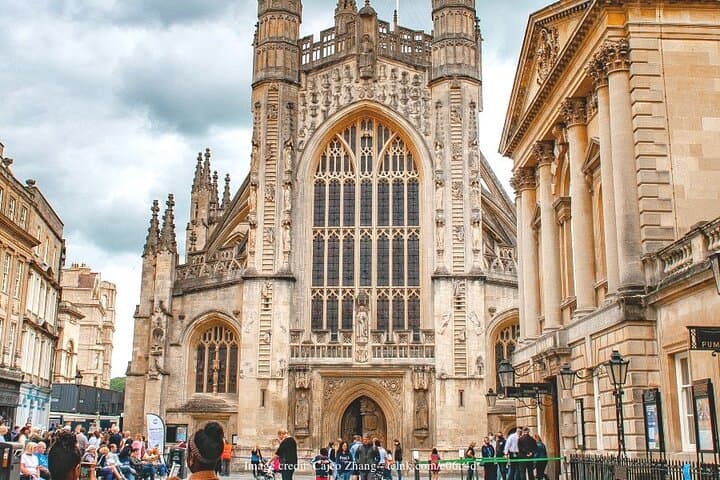
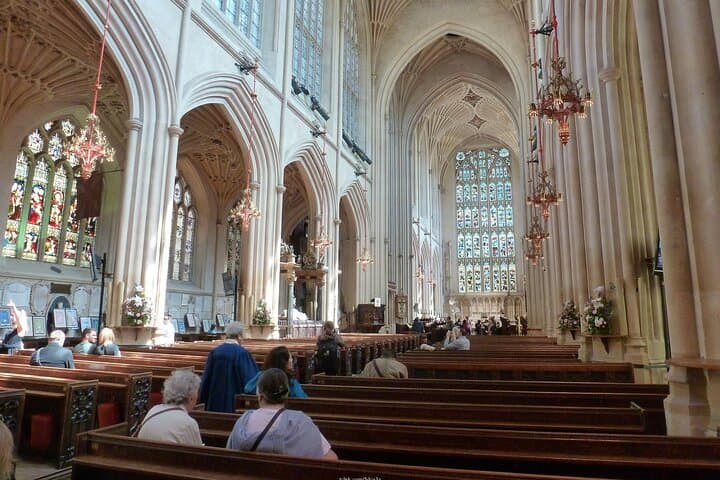
This three-hour private walking tour threads through Bath’s layered history. Romans drew healing steam from the thermal springs here in the 1st century AD; their baths underlie the city’s center. In the 18th century the Woods — father and son — remade Bath into a Georgian plan of crescents, squares and classical facades. Pulteney Bridge spans the Avon with shops over the water, an architectural curiosity often compared to its Italian counterparts, while Bath Abbey’s Gothic vaults record centuries of worship and civic life.
Geology shows through in the local oolite limestone — the stone’s warm hue and ease of carving explain the city’s signature look. Culturally, Bath is tied to Jane Austen and the rituals of the Assembly Rooms: promenading, social performance, and a society shaped by fashion and manners.
Practical guidance: expect three flat but cobbled hours, with short stair sections in and around historic buildings. Guides point out best photo angles and quieter lanes away from main tourist flows. Wear supportive shoes for uneven stone, layer for changeable weather, and allow time afterward to visit museum displays or riverside cafés. Public transport and parking are available nearby, but booking a private slot ahead ensures the small-group pace and skip-the-line Abbey access.
moderate.
3 hours.
Moderate — you should be comfortable walking on uneven surfaces for three hours with short pauses
Yes — the tour includes a fully guided visit inside Bath Abbey as stated in the itinerary.
About three hours of walking on mostly flat but cobbled surfaces with short stair sections; moderate fitness is recommended.
This private walking tour focuses on streets, Pulteney Bridge and Bath Abbey; entry to the Roman Baths is not included but can be visited afterward independently.
Private format allows the guide to emphasize literary, architectural or social history themes—note preferences when booking.
Bath grew from Roman spa settlement to a fashionable Georgian city; its 18th-century urban plan and classical façades were driven by local limestone and patronage from Britain’s elite.
Bath’s World Heritage status brings strict planning protections; visitors should stick to marked paths, avoid touching carved stonework and dispose of waste to limit wear on historic fabric.
Travel Curious operates guided outdoor trips and adventures with an emphasis on safety, stewardship, and memorable experiences.

A cool morning in Bath feels like stepping into a well-used stage set: cobbled streets damp with river mist, warm honey-colored stone glowing as the sun climbs, and a guide tapping a map while you listen for the echo of distant bells.
A cool morning in Bath feels like stepping into a well-used stage set: cobbled streets damp with river mist, warm honey-colored stone glowing as the sun climbs, and a guide tapping a map while you listen for the echo of distant bells.
This three-hour private walking tour threads through Bath’s layered history. Romans drew healing steam from the thermal springs here in the 1st century AD; their baths underlie the city’s center. In the 18th century the Woods — father and son — remade Bath into a Georgian plan of crescents, squares and classical facades. Pulteney Bridge spans the Avon with shops over the water, an architectural curiosity often compared to its Italian counterparts, while Bath Abbey’s Gothic vaults record centuries of worship and civic life.
Geology shows through in the local oolite limestone — the stone’s warm hue and ease of carving explain the city’s signature look. Culturally, Bath is tied to Jane Austen and the rituals of the Assembly Rooms: promenading, social performance, and a society shaped by fashion and manners.
Practical guidance: expect three flat but cobbled hours, with short stair sections in and around historic buildings. Guides point out best photo angles and quieter lanes away from main tourist flows. Wear supportive shoes for uneven stone, layer for changeable weather, and allow time afterward to visit museum displays or riverside cafés. Public transport and parking are available nearby, but booking a private slot ahead ensures the small-group pace and skip-the-line Abbey access.