THE ADVENTURE COLLECTIVE® · Independent discovery and booking for outdoor travel

Walk Bath’s honey-coloured streets with a guide who threads Roman engineering, Georgian planning and Jane Austen’s social world into a private 90–120 minute tour. Expect architectural highlights, local geology, and practical tips to make the most of the city’s historic heart.
Walk Bath’s honey-coloured streets with a guide who threads Roman engineering, Georgian planning and Jane Austen’s social world into a private 90–120 minute tour. Expect architectural highlights, local geology, and practical tips to make the most of the city’s historic heart.
You step off the high street onto honey-coloured stone; the city exhales steam from its ancient springs and the bell of Bath Abbey counts the hour. The guide leads you beneath tall Georgian facades, where curved crescents and narrow alleys frame views of the river and the city's layered past.
Verified experiences and guided adventures in the surrounding area.
Operated by Bath Walking Tours Foodie Tours · Bath, Somerset
You step off the high street onto honey-coloured stone; the city exhales steam from its ancient springs and the bell of Bath Abbey counts the hour. The guide leads you beneath tall Georgian facades, where curved crescents and narrow alleys frame views of the river and the city's layered past.
Bath began as a Roman healing centre built over thermal springs; the stone you walk on is the same creamy oolite quarried nearby that made the city's uniform face. In the 18th century Bath reimagined itself as a social stage—John Wood's Royal Crescent and The Circus created intentional vistas for promenading high society. Jane Austen's family lived and socialised here, and her novels capture the city's polite rituals and drawing-room politics that shaped Bath's cultural life.
The geology is immediate: warm, mineral-rich water rises from deep aquifers and stone cut from local quarries gives buildings their soft glow. Cultural cues—tea rooms, the Pump Room, Georgian townhouses—tell a story of fashion, health and display that peaked then receded as tastes changed.
Practical guidance: the private tour averages 90–120 minutes but can be extended on request; it’s mostly flat paved walking suitable for prams and most fitness levels. Bring comfortable, grippy shoes and a light rain layer—Bath’s weather shifts fast. Book a mid-morning slot to avoid coach crowds, carry a bottle of water, and keep coins or a card handy for small museums and tearooms. Mobile tickets are accepted; check accessibility needs with the operator in advance.
easy.
1.5–2 hours.
Suitable for most activity levels; short periods of standing and walking on paved surfaces.
The standard private tour runs about 90–120 minutes, but can be extended on request; start times are flexible after 11:00.
Yes—mobile tickets are accepted; have your booking confirmation ready on your phone for the guide.
Yes—strollers are manageable on paved streets and service animals are permitted; notify the operator of accessibility needs when booking.
The tour operates in most weather; bring a rain layer. Tours are not canceled for typical rain, but you can cancel for a full refund at least 24 hours in advance.
Bath grew from a Roman spa built over thermal springs into an 18th-century Georgian social centre; its uniform Bath stone and planned crescents reflect architects like John Wood and the era’s taste for controlled vistas.
Bath is a UNESCO World Heritage site—stay on marked paths, support local businesses, and avoid feeding wildlife to minimize impact on fragile urban and river habitats.
Bath Walking Tours Foodie Tours operates guided outdoor trips and adventures with an emphasis on safety, stewardship, and memorable experiences.
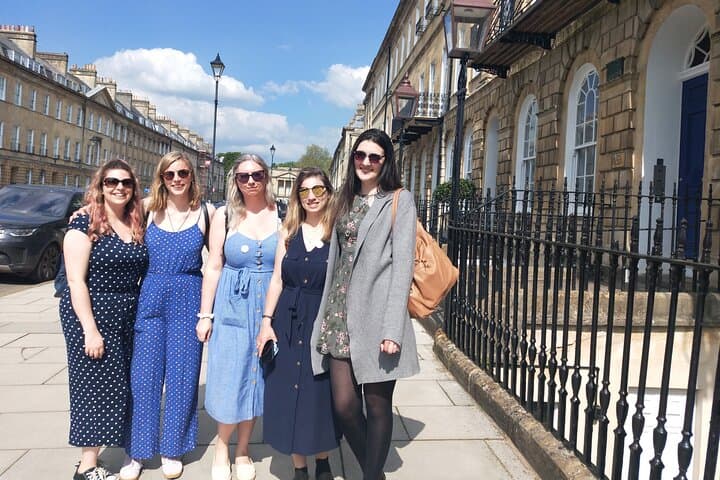

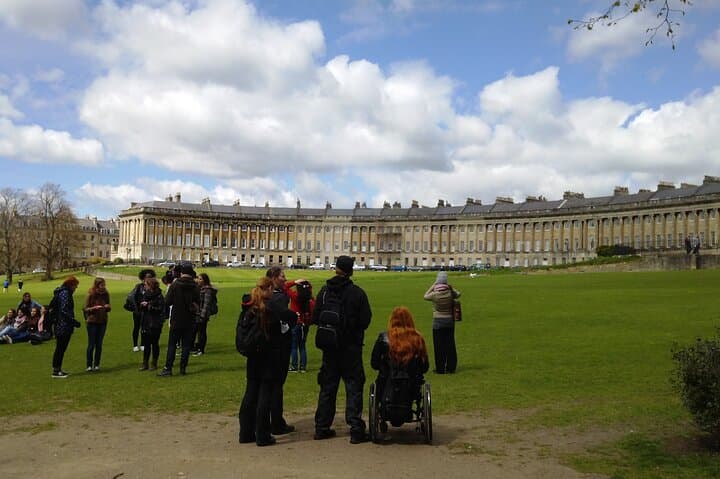
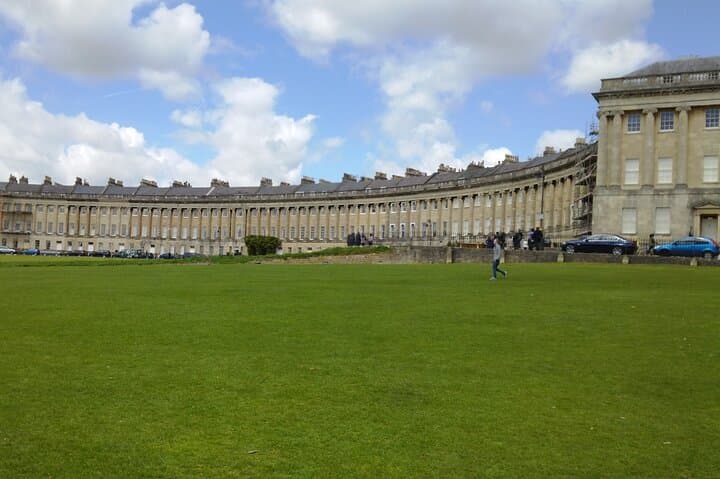
You step off the high street onto honey-coloured stone; the city exhales steam from its ancient springs and the bell of Bath Abbey counts the hour. The guide leads you beneath tall Georgian facades, where curved crescents and narrow alleys frame views of the river and the city's layered past.
You step off the high street onto honey-coloured stone; the city exhales steam from its ancient springs and the bell of Bath Abbey counts the hour. The guide leads you beneath tall Georgian facades, where curved crescents and narrow alleys frame views of the river and the city's layered past.
Bath began as a Roman healing centre built over thermal springs; the stone you walk on is the same creamy oolite quarried nearby that made the city's uniform face. In the 18th century Bath reimagined itself as a social stage—John Wood's Royal Crescent and The Circus created intentional vistas for promenading high society. Jane Austen's family lived and socialised here, and her novels capture the city's polite rituals and drawing-room politics that shaped Bath's cultural life.
The geology is immediate: warm, mineral-rich water rises from deep aquifers and stone cut from local quarries gives buildings their soft glow. Cultural cues—tea rooms, the Pump Room, Georgian townhouses—tell a story of fashion, health and display that peaked then receded as tastes changed.
Practical guidance: the private tour averages 90–120 minutes but can be extended on request; it’s mostly flat paved walking suitable for prams and most fitness levels. Bring comfortable, grippy shoes and a light rain layer—Bath’s weather shifts fast. Book a mid-morning slot to avoid coach crowds, carry a bottle of water, and keep coins or a card handy for small museums and tearooms. Mobile tickets are accepted; check accessibility needs with the operator in advance.