THE ADVENTURE COLLECTIVE® · Independent discovery and booking for outdoor travel

A focused 90–120 minute guided walk through Bath’s Roman and Georgian layers — from the Abbey and Sally Lunn’s to the Royal Crescent and Pulteney Bridge. Expect compact history, photo stops, and local tips to extend your visit.
A focused 90–120 minute guided walk through Bath’s Roman and Georgian layers — from the Abbey and Sally Lunn’s to the Royal Crescent and Pulteney Bridge. Expect compact history, photo stops, and local tips to extend your visit.
You step out onto Abbey Green and the air smells faintly of warm stone and baked bread from Sally Lunn’s. The Abbey looms, its carved faces watching the river Avon bend and dare you across Pulteney Bridge; the city moves at a human pace — conversation, cameras, the occasional boat chug downstream.
Verified experiences and guided adventures in the surrounding area.
Operated by PAUL ELLIOTT · Bath, Somerset
You step out onto Abbey Green and the air smells faintly of warm stone and baked bread from Sally Lunn’s. The Abbey looms, its carved faces watching the river Avon bend and dare you across Pulteney Bridge; the city moves at a human pace — conversation, cameras, the occasional boat chug downstream.
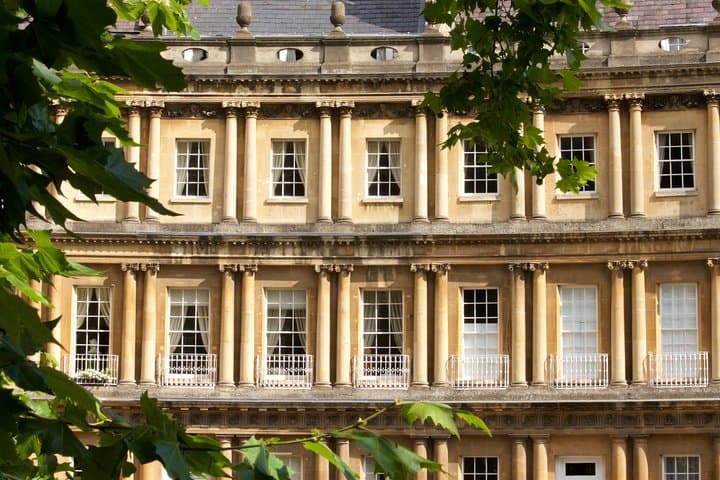
Bath’s streets tell two main stories: the Roman engineers who tapped thermal springs and the 18th-century visionaries who reshaped the old city in honey-colored Bath stone. John Wood’s geometries — Queen Square, The Circus, the Royal Crescent — read like urban punctuation, while smaller medieval alleys keep older chapters visible. Filmmakers have long favored these façades; period costumes and Georgian ballrooms are part of the city’s cultural vocabulary.
Geology is a quiet partner: limestone and oolitic sandstone cut from nearby quarries give the buildings their color and weather in readable patterns. Locals guard a lively cafe culture, and the riverbanks offer unexpected pockets of calm where swans and city birds take center stage.
Practical guidance: the tour is a 1½–2 hour walking route, mostly paved with short slopes; wear supportive shoes and bring a waterproof layer — Bath’s weather turns fast. No admissions included, so plan separate time for the Roman Baths or Thermae. Expect photo stops at the Royal Crescent and Pulteney Bridge, and finish near Bath Thermae if you want to extend your visit into a soak.
Timing tip: mornings and late afternoons have softer light and fewer crowds; travel light, carry water, and let the guide thread history with local color.
easy.
1.5–2 hours.
Suitable for most fitness levels; involves continuous walking with short uphill/downhill sections
No — the tour explains the Roman Baths and Pump Room from the outside; independent admission is required to enter.
This particular tour does not permit young children in pushchairs due to narrow medieval alleyways and steps; check for family-friendly alternatives.
Shared tours are capped (typically up to 20 people), offering a balance between atmosphere and personal attention.
The tour finishes near Bath Thermae and surrounding cafes; public restrooms are available nearby and inside some attractions.
Bath grew from Roman spa installations around thermal springs and was reshaped into a fashionable Georgian city in the 1700s by architects such as John Wood the Elder and Younger.
Bath’s limestone buildings are sensitive to pollution and wear; stick to paths, avoid climbing facades, and support local conservation initiatives that manage visitor impact.
PAUL ELLIOTT operates guided outdoor trips and adventures with an emphasis on safety, stewardship, and memorable experiences.


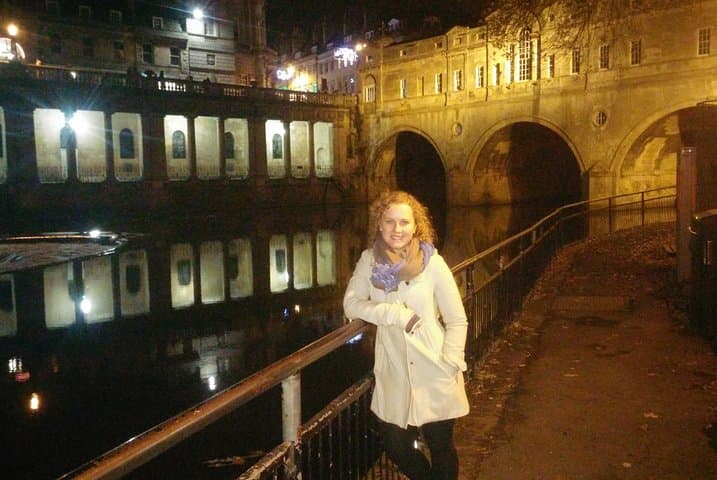
You step out onto Abbey Green and the air smells faintly of warm stone and baked bread from Sally Lunn’s. The Abbey looms, its carved faces watching the river Avon bend and dare you across Pulteney Bridge; the city moves at a human pace — conversation, cameras, the occasional boat chug downstream.
You step out onto Abbey Green and the air smells faintly of warm stone and baked bread from Sally Lunn’s. The Abbey looms, its carved faces watching the river Avon bend and dare you across Pulteney Bridge; the city moves at a human pace — conversation, cameras, the occasional boat chug downstream.
Bath’s streets tell two main stories: the Roman engineers who tapped thermal springs and the 18th-century visionaries who reshaped the old city in honey-colored Bath stone. John Wood’s geometries — Queen Square, The Circus, the Royal Crescent — read like urban punctuation, while smaller medieval alleys keep older chapters visible. Filmmakers have long favored these façades; period costumes and Georgian ballrooms are part of the city’s cultural vocabulary.
Geology is a quiet partner: limestone and oolitic sandstone cut from nearby quarries give the buildings their color and weather in readable patterns. Locals guard a lively cafe culture, and the riverbanks offer unexpected pockets of calm where swans and city birds take center stage.
Practical guidance: the tour is a 1½–2 hour walking route, mostly paved with short slopes; wear supportive shoes and bring a waterproof layer — Bath’s weather turns fast. No admissions included, so plan separate time for the Roman Baths or Thermae. Expect photo stops at the Royal Crescent and Pulteney Bridge, and finish near Bath Thermae if you want to extend your visit into a soak.
Timing tip: mornings and late afternoons have softer light and fewer crowds; travel light, carry water, and let the guide thread history with local color.