THE ADVENTURE COLLECTIVE® · Independent discovery and booking for outdoor travel

Taste your way through Bath on a 2.5–3 hour guided walk that pairs 4–5 artisan samples with stops at the Roman Baths, Bath Abbey, and Georgian crescents. Ideal for curious food lovers who want context alongside bites.
Taste your way through Bath on a 2.5–3 hour guided walk that pairs 4–5 artisan samples with stops at the Roman Baths, Bath Abbey, and Georgian crescents. Ideal for curious food lovers who want context alongside bites.
A narrow lane opens to a sunlit square; steam rises from a baker’s oven and the River Avon threads the city, daring you to slow down and taste. On this 2.5–3 hour guided walk, the sensory map of Bath shifts from honeyed Georgian stone to the bright tang of artisan cheese and the warm spice of locally roasted tea.
Verified experiences and guided adventures in the surrounding area.
Operated by Bath Walking Tours Foodie Tours · Bath, Somerset
A narrow lane opens to a sunlit square; steam rises from a baker’s oven and the River Avon threads the city, daring you to slow down and taste. On this 2.5–3 hour guided walk, the sensory map of Bath shifts from honeyed Georgian stone to the bright tang of artisan cheese and the warm spice of locally roasted tea.
Bath’s streets walk you through Roman engineering and 18th‑century urban design. The guide will pause outside the Roman Baths and Bath Abbey to outline the geology beneath: thermal springs rising through Triassic and Jurassic strata, the same waters that attracted visitors for two millennia. Architectural chapters — Royal Crescent, Circus, Queen Square — tell stories of John Wood father and son and a culture that turned wellness into a social ritual.
Between landmarks, stops at delicatessens and market stalls offer 4–5 small tastings: charcuterie, sweets, cheese, and a local drink. The tour focuses on provenance and production, not entry into the larger museums, so expect conversation and sampling rather than long queues.
Practical guidance: wear comfortable shoes for mostly paved streets and short cobbles; bring a small bottle of water and a light jacket for variable British weather. If you plan to visit the Roman Baths afterward, prebook tickets to avoid sold‑out times. The route is stroller- and wheelchair-accessible; tell the operator about dietary needs in advance. This is a gentle urban outing that pairs history, geology, and good food into one walkable experience.
easy.
2.5–3 hours.
Suitable for most fitness levels; involves gentle walking with frequent stops
Yes — the route and most stops are wheelchair- and stroller-accessible; notify the operator when booking to accommodate specific needs.
Yes — the tour includes about 4–5 small tastings from local artisan shops as listed in the inclusions.
No — the tour provides external introductions to the Roman Baths; if you wish to enter, you should book a separate ticket in advance.
This listing is a private guided tour; capacity details are handled at booking—contact the operator for group size limits.
Bath grew around natural thermal springs; Romans built baths and a temple here, and 18th‑century architects later reshaped the city into the classical crescents seen today.
Bath’s heritage sites are vulnerable to foot traffic and weathering; follow local guidance, avoid littering, and support local producers to keep small businesses resilient.
Bath Walking Tours Foodie Tours operates guided outdoor trips and adventures with an emphasis on safety, stewardship, and memorable experiences.
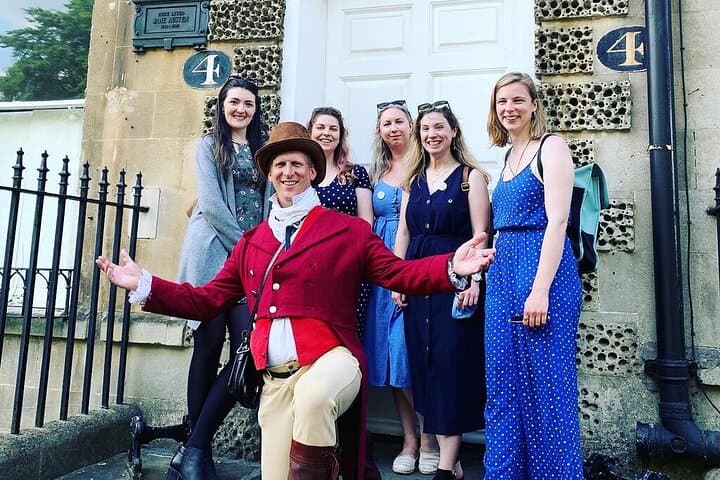

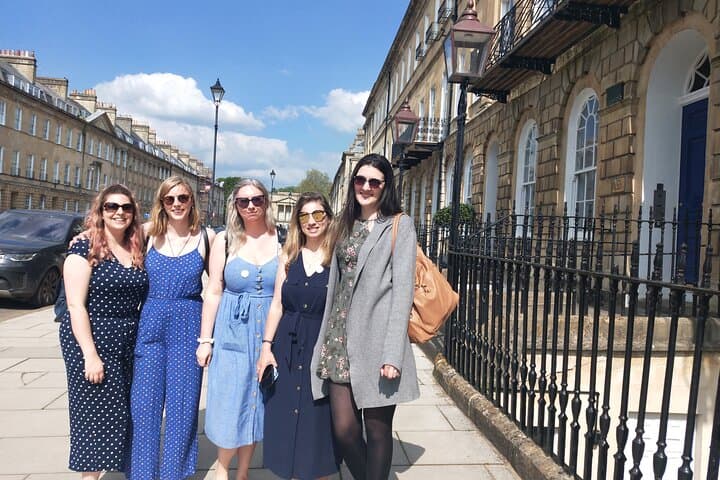

A narrow lane opens to a sunlit square; steam rises from a baker’s oven and the River Avon threads the city, daring you to slow down and taste. On this 2.5–3 hour guided walk, the sensory map of Bath shifts from honeyed Georgian stone to the bright tang of artisan cheese and the warm spice of locally roasted tea.
A narrow lane opens to a sunlit square; steam rises from a baker’s oven and the River Avon threads the city, daring you to slow down and taste. On this 2.5–3 hour guided walk, the sensory map of Bath shifts from honeyed Georgian stone to the bright tang of artisan cheese and the warm spice of locally roasted tea.
Bath’s streets walk you through Roman engineering and 18th‑century urban design. The guide will pause outside the Roman Baths and Bath Abbey to outline the geology beneath: thermal springs rising through Triassic and Jurassic strata, the same waters that attracted visitors for two millennia. Architectural chapters — Royal Crescent, Circus, Queen Square — tell stories of John Wood father and son and a culture that turned wellness into a social ritual.
Between landmarks, stops at delicatessens and market stalls offer 4–5 small tastings: charcuterie, sweets, cheese, and a local drink. The tour focuses on provenance and production, not entry into the larger museums, so expect conversation and sampling rather than long queues.
Practical guidance: wear comfortable shoes for mostly paved streets and short cobbles; bring a small bottle of water and a light jacket for variable British weather. If you plan to visit the Roman Baths afterward, prebook tickets to avoid sold‑out times. The route is stroller- and wheelchair-accessible; tell the operator about dietary needs in advance. This is a gentle urban outing that pairs history, geology, and good food into one walkable experience.