THE ADVENTURE COLLECTIVE® · Independent discovery and booking for outdoor travel

Spend a full day traveling from Manila to Bataan to visit Mount Samat, the Zero Kilometer marker, and war memorials that mark the route of the 1942 Death March. This driving tour pairs museum stops with battlefield sites and local interpretation.
Spend a full day traveling from Manila to Bataan to visit Mount Samat, the Zero Kilometer marker, and war memorials that mark the route of the 1942 Death March. This driving tour pairs museum stops with battlefield sites and local interpretation.
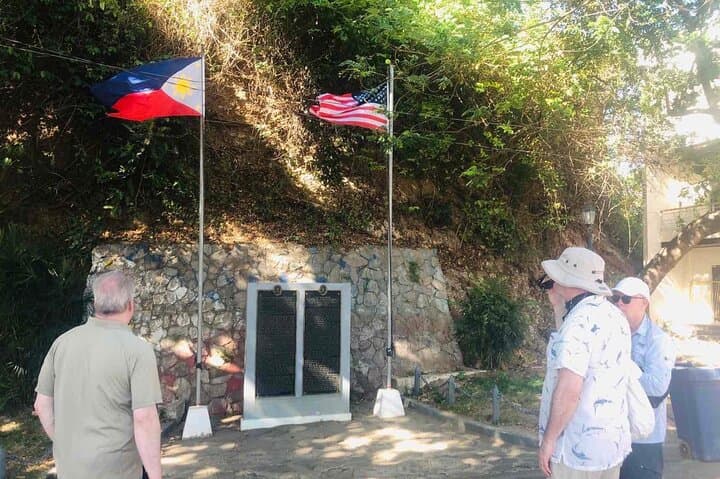
The bus slows as the coastline of Bataan slips into view — low hills rubbing the bright sky, coconut groves leaning toward the sea as if listening. You arrive before the heat peaks and step onto soil that still remembers the footfalls of 1942: cracked roads, roadside markers, and hulking memorials that hold stories in their concrete ribs.
Verified experiences and guided adventures in the surrounding area.
Operated by Leisure Pro Journeys · Balanga, Bataan
The bus slows as the coastline of Bataan slips into view — low hills rubbing the bright sky, coconut groves leaning toward the sea as if listening. You arrive before the heat peaks and step onto soil that still remembers the footfalls of 1942: cracked roads, roadside markers, and hulking memorials that hold stories in their concrete ribs.
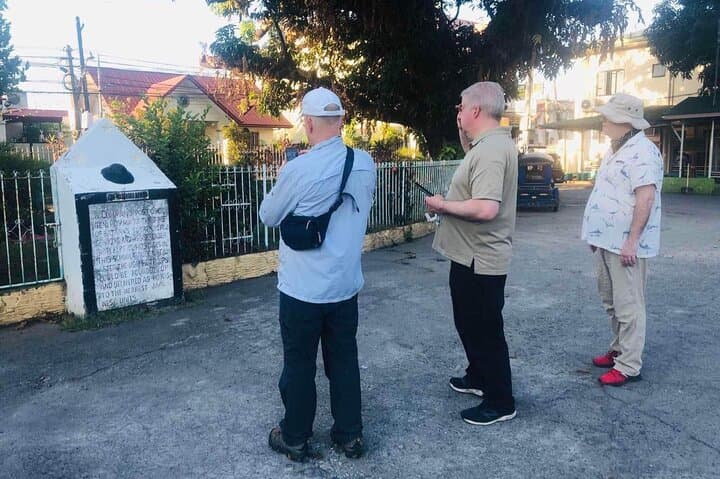
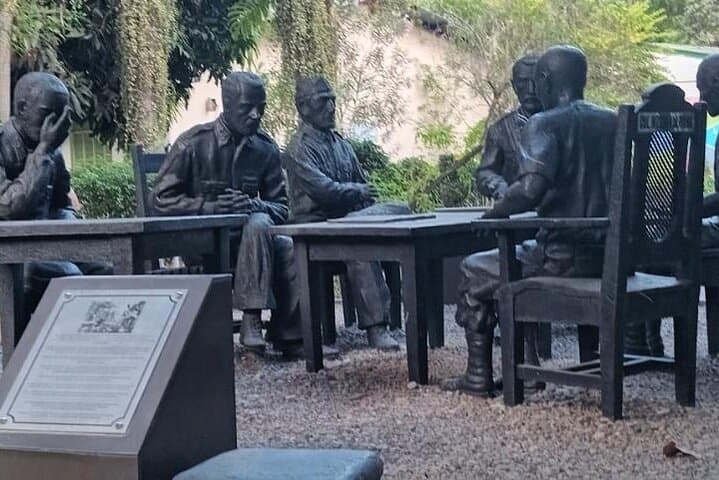
This full-day tour traces the route and memory of the Bataan Death March, a forced 160-kilometer transfer of Allied prisoners in April 1942. Stops include the Bataan World War II Museum in Balanga, Mount Samat’s Shrine of Valor with its towering cross and battlefield relics, the Zero Kilometer marker in Mariveles, and several field memorials that mark executions, merges, and battlegrounds. Geologically, Bataan’s low volcanic ridges and coastal plains shaped troop movements; culturally, towns here blend provincial Filipino life with wartime remembrance and postwar reconciliation (see the Philippine–Japanese Friendship Tower).
Practicalities are straightforward: roundtrip transfers from Metro Manila take about three hours each way, with the day lasting roughly ten hours. Wear breathable, closed-toe shoes for mixed pavement and museum steps; bring water, sun protection, and a compact rain layer in the wet season. Expect long periods of standing and quiet reflection at each site — guides contextualize events and point out plaques, mass gravesites, and local oral histories.
Respect the memorials: photography is allowed at most sites but keep noise low and follow local guidance. This is a history-first excursion: mentally prepare for somber content and bring patience for the travel time between dispersed points of interest.
easy.
10 hours.
Suitable for most fitness levels but requires stamina for a long day of standing, short walks, and travel between dispersed sites.
Expect about three hours each way from central Metro Manila, depending on traffic and your hotel pickup location.
Most itinerary admissions listed are included, but confirm with the operator for any optional extras or local fees.
The tour is generally suitable for most ages, but there is a lot of standing and some steps; those with serious mobility, heart, or spinal conditions should consult the operator — it’s not recommended for pregnant travelers per provider notes.
Yes — solo travelers can book, but the operator asks that you message them for potential rate adjustments.
Bataan was a pivotal battleground in early 1942; after the surrender, thousands of Filipino and American soldiers were forced on the Death March from Mariveles to Capas, a roughly 160-kilometer ordeal.
Many memorial sites are maintained by local governments and volunteer groups; visitors should stick to paths, avoid littering, and respect marked graves and plaques to preserve these fragile historical places.
Leisure Pro Journeys operates guided outdoor trips and adventures with an emphasis on safety, stewardship, and memorable experiences.

The bus slows as the coastline of Bataan slips into view — low hills rubbing the bright sky, coconut groves leaning toward the sea as if listening. You arrive before the heat peaks and step onto soil that still remembers the footfalls of 1942: cracked roads, roadside markers, and hulking memorials that hold stories in their concrete ribs.
The bus slows as the coastline of Bataan slips into view — low hills rubbing the bright sky, coconut groves leaning toward the sea as if listening. You arrive before the heat peaks and step onto soil that still remembers the footfalls of 1942: cracked roads, roadside markers, and hulking memorials that hold stories in their concrete ribs.
This full-day tour traces the route and memory of the Bataan Death March, a forced 160-kilometer transfer of Allied prisoners in April 1942. Stops include the Bataan World War II Museum in Balanga, Mount Samat’s Shrine of Valor with its towering cross and battlefield relics, the Zero Kilometer marker in Mariveles, and several field memorials that mark executions, merges, and battlegrounds. Geologically, Bataan’s low volcanic ridges and coastal plains shaped troop movements; culturally, towns here blend provincial Filipino life with wartime remembrance and postwar reconciliation (see the Philippine–Japanese Friendship Tower).
Practicalities are straightforward: roundtrip transfers from Metro Manila take about three hours each way, with the day lasting roughly ten hours. Wear breathable, closed-toe shoes for mixed pavement and museum steps; bring water, sun protection, and a compact rain layer in the wet season. Expect long periods of standing and quiet reflection at each site — guides contextualize events and point out plaques, mass gravesites, and local oral histories.
Respect the memorials: photography is allowed at most sites but keep noise low and follow local guidance. This is a history-first excursion: mentally prepare for somber content and bring patience for the travel time between dispersed points of interest.