THE ADVENTURE COLLECTIVE® · Independent discovery and booking for outdoor travel

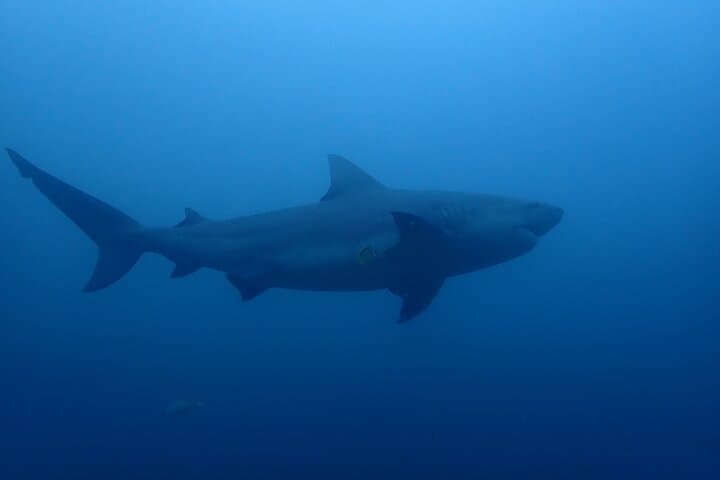
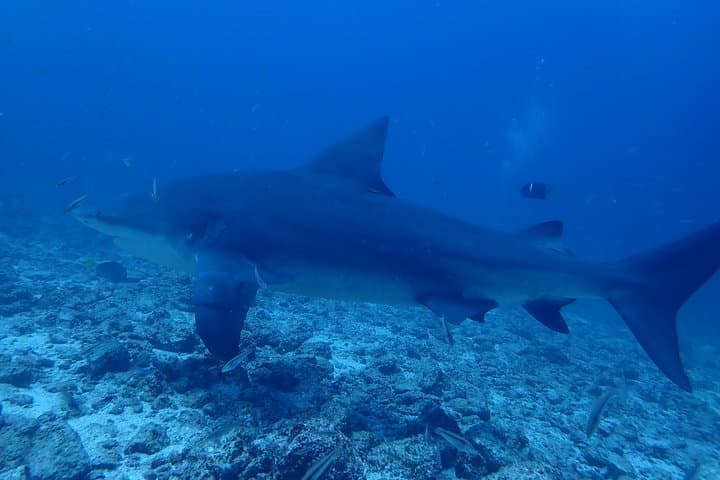
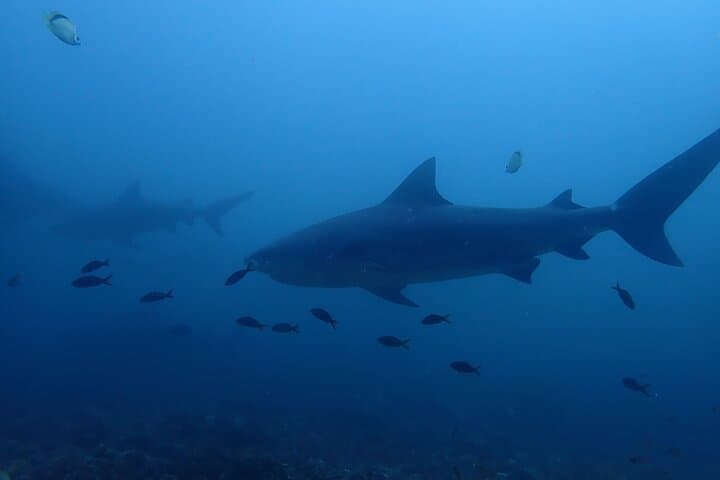
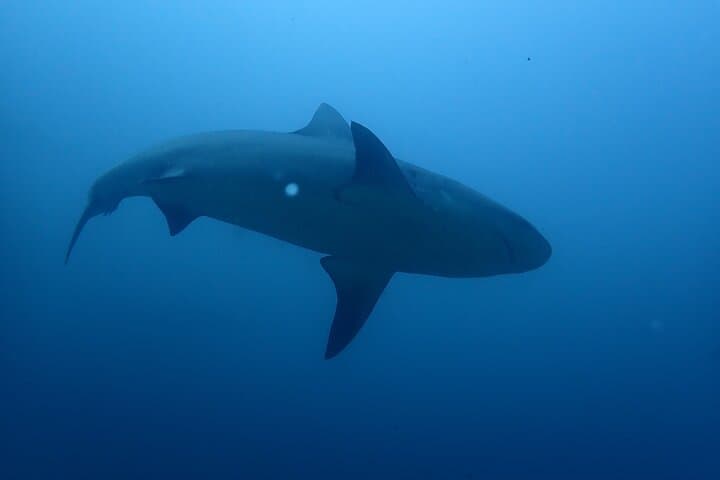
Board a boat from Tamarindo for a full-day, three-dive expedition to Bat Island (Isla Murciélago). Two deep dives target bull sharks at ~30 m while a third, shallower site offers reef life and possible manta encounters.
Board a boat from Tamarindo for a full-day, three-dive expedition to Bat Island (Isla Murciélago). Two deep dives target bull sharks at ~30 m while a third, shallower site offers reef life and possible manta encounters.
The boat cuts loose from Tamarindo at dawn and the Pacific opens around you — a blue pull that feels both familiar and indifferent. By the time you spot Isla Murciélago (Bat Island), island cliffs rise dark against the horizon and the captain is already briefing: two deep dives here for bull sharks, one shallower site later with a chance at mantas. The water smells of salt and diesel; your regulator is your next conversation partner.
Verified experiences and guided adventures in the surrounding area.
Operated by TamaDive Dive Center · Tamarindo, Guanacaste
The boat cuts loose from Tamarindo at dawn and the Pacific opens around you — a blue pull that feels both familiar and indifferent. By the time you spot Isla Murciélago (Bat Island), island cliffs rise dark against the horizon and the captain is already briefing: two deep dives here for bull sharks, one shallower site later with a chance at mantas. The water smells of salt and diesel; your regulator is your next conversation partner.
Isla Murciélago earned its name from colonies of bats and from the fishermen who used the island as a navigational mark. Geologically the islet is volcanic in origin, steep-sided and dropping quickly into deep water — which is why bull sharks congregate. The local fishing and surfing culture in Guanacaste has long coexisted with these seas, and dive operators now work under guidelines to minimize disturbance.
Expect three dives over a 10–11 hour day: two deep profiles (~30 m/100 ft) focused on shark observation, and a third, shallower reef or cleaning-station dive where mantas and reef life appear. Visibility is best in the dry season; currents can be strong and boat rides bumpy.
Practice equalization before you descend, carry a dive computer, and bring certification proving 30 m capability or opt into the deep-dive upgrade. Leave 18–24 hours before flying. Fitness matters: long surface intervals, ladders and swell require mobility and stamina. Eat lightly, hydrate, and use reef-safe sunscreen. Respect distance rules with sharks — approach slowly, no sudden moves, and let the animals choose their path. When the boat returns to Tamarindo at dusk, you’ll have surfaced from something both primal and precise: close work with large predators conducted under strict technical and safety standards.
challenging.
10–11 hours.
Strong cardiovascular fitness and good buoyancy control; comfortable with long dives and ladders in swell.
Yes — participants must be certified to dive to 30 m/100 ft or purchase the operator's deep-dive upgrade; cards are checked prior to departure.
Minimum age is 15 years old and tours require at least four divers; group size is capped at seven divers for safety.
No — you should leave 18–24 hours between your last dive and flying or traveling to altitude to reduce decompression risk.
Operators follow strict protocols: approach slowly, maintain neutral buoyancy, avoid sudden movements and feeding, and keep a safe observational distance.
Isla Murciélago was named for local bat colonies and long served as a landmark for Guanacaste fishermen; its steep drop attracts large pelagics.
Responsible operators enforce no-touch policies and recommend reef-safe sunscreen; minimizing chum and avoiding harassment helps protect shark behavior patterns.
TamaDive Dive Center operates guided outdoor trips and adventures with an emphasis on safety, stewardship, and memorable experiences.
The boat cuts loose from Tamarindo at dawn and the Pacific opens around you — a blue pull that feels both familiar and indifferent. By the time you spot Isla Murciélago (Bat Island), island cliffs rise dark against the horizon and the captain is already briefing: two deep dives here for bull sharks, one shallower site later with a chance at mantas. The water smells of salt and diesel; your regulator is your next conversation partner.
The boat cuts loose from Tamarindo at dawn and the Pacific opens around you — a blue pull that feels both familiar and indifferent. By the time you spot Isla Murciélago (Bat Island), island cliffs rise dark against the horizon and the captain is already briefing: two deep dives here for bull sharks, one shallower site later with a chance at mantas. The water smells of salt and diesel; your regulator is your next conversation partner.
Isla Murciélago earned its name from colonies of bats and from the fishermen who used the island as a navigational mark. Geologically the islet is volcanic in origin, steep-sided and dropping quickly into deep water — which is why bull sharks congregate. The local fishing and surfing culture in Guanacaste has long coexisted with these seas, and dive operators now work under guidelines to minimize disturbance.
Expect three dives over a 10–11 hour day: two deep profiles (~30 m/100 ft) focused on shark observation, and a third, shallower reef or cleaning-station dive where mantas and reef life appear. Visibility is best in the dry season; currents can be strong and boat rides bumpy.
Practice equalization before you descend, carry a dive computer, and bring certification proving 30 m capability or opt into the deep-dive upgrade. Leave 18–24 hours before flying. Fitness matters: long surface intervals, ladders and swell require mobility and stamina. Eat lightly, hydrate, and use reef-safe sunscreen. Respect distance rules with sharks — approach slowly, no sudden moves, and let the animals choose their path. When the boat returns to Tamarindo at dusk, you’ll have surfaced from something both primal and precise: close work with large predators conducted under strict technical and safety standards.