THE ADVENTURE COLLECTIVE® · Independent discovery and booking for outdoor travel

A full-day, semi-private tour from Brussels that pairs the modern Bastogne War Museum with outdoor battlefield sites like Mardasson and Bois St Jacques foxholes. Ideal for travelers who want immersive history with short walks through the Ardennes landscape.
A full-day, semi-private tour from Brussels that pairs the modern Bastogne War Museum with outdoor battlefield sites like Mardasson and Bois St Jacques foxholes. Ideal for travelers who want immersive history with short walks through the Ardennes landscape.
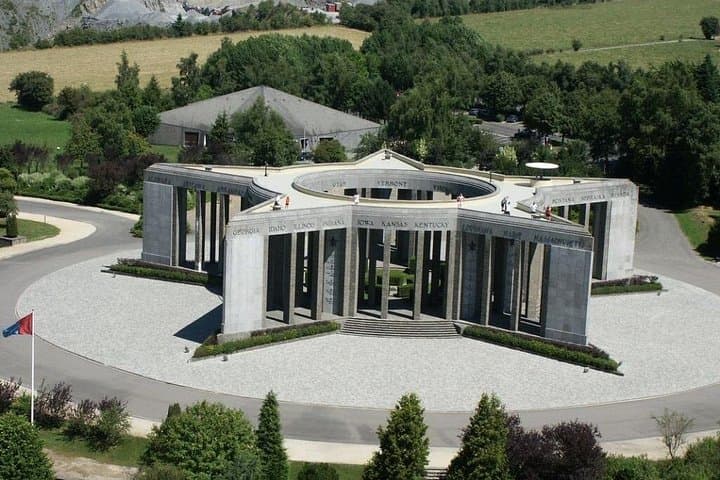
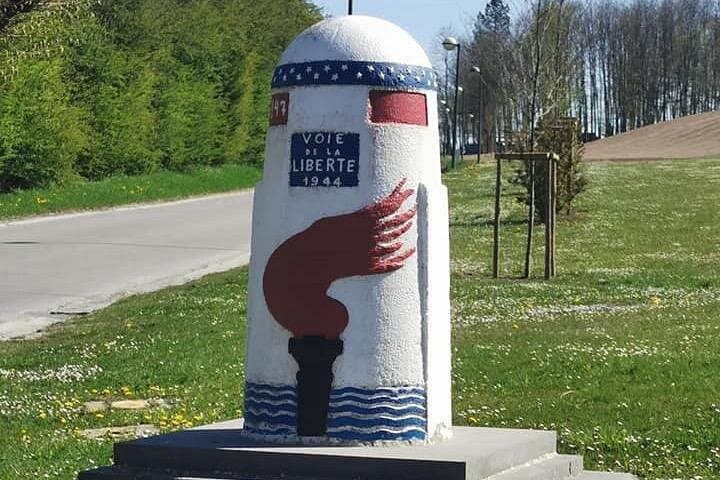
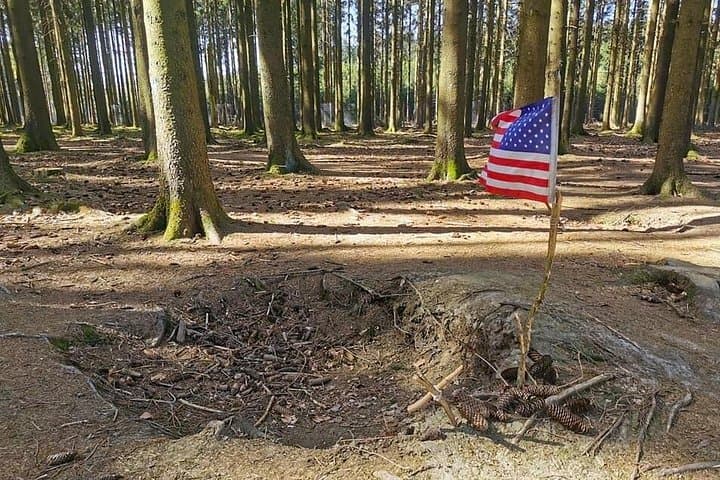
You step out of the van and the winter air from the Ardennes pushes at your jacket like a returning memory. The town of Bastogne sits on a low ridge, red brick and stone framed by firs and agricultural clearings; low clouds often sit heavy on the hills in colder months. The tour moves between a modern, immersive war museum and the quiet outdoor markers—Mardasson, McAuliffe Square and the shallow foxholes in Bois St Jacques—where the past still leaves its shape in the land.
Verified experiences and guided adventures in the surrounding area.
Operated by Private Tours by Joyce (Belgium & beyond) · Bastogne, Luxembourg
You step out of the van and the winter air from the Ardennes pushes at your jacket like a returning memory. The town of Bastogne sits on a low ridge, red brick and stone framed by firs and agricultural clearings; low clouds often sit heavy on the hills in colder months. The tour moves between a modern, immersive war museum and the quiet outdoor markers—Mardasson, McAuliffe Square and the shallow foxholes in Bois St Jacques—where the past still leaves its shape in the land.
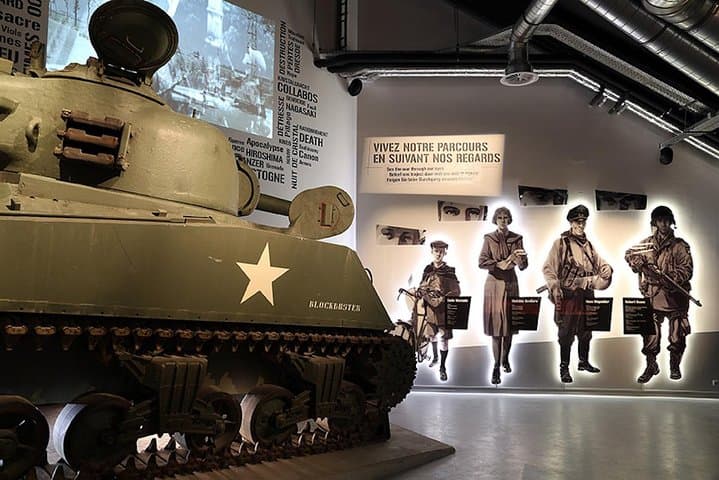
Bastogne was the hinge of the Ardennes Counteroffensive in December 1944; here, American units were surrounded and held through extreme winter conditions. The Bastogne War Museum reframes the battle with multi-sensory exhibits and scenographic reconstructions that walk visitors from civilian life under occupation through frontline actions and their aftermath. Geologically, the Ardennes are old, folded highlands—rounded hills and dense mixed forest—so the terrain that shaped troop movements also shelters broad European flora and fauna.
Expect a full day: pickup in Brussels, roughly two hours each way, with guided stops totaling several hours in Bastogne. Practical notes: bring layered clothing and waterproof shoes for short walks to memorials and foxholes; the outdoor sites are exposed and can be icy in winter. The semi-private format limits group size, allowing time to ask questions and linger at displays. There’s minimal strenuous activity—mostly walking on paved and soft forest surfaces—so the trip suits moderate fitness. Snacks are available in town, and the museum’s modern layout makes it accessible for most visitors. This is a history-first excursion with meaningful outdoor moments—best approached with respect, warm layers, and a readiness to listen to a place shaped by extreme weather and human endurance.
easy.
9–10 hours.
Light activity: able to sit for long drives and complete several short walks (5–30 minutes) on uneven ground.
Admission to the Bastogne War Museum and select memorials is included for two guests as noted, but verify your booking details for exact inclusions.
Expect approximately two hours each way, depending on traffic; the full tour lasts about 9–10 hours including stops.
Yes—transport and most museum areas are wheelchair accessible; outdoor memorials have mixed surfaces, so check with the operator for specific mobility needs.
A snack lunch is suggested but not included; there are cafés in Bastogne and a restroom stop en route with complimentary hot drinks on board.
Bastogne was encircled during the Ardennes Offensive (Battle of the Bulge) in December 1944; General McAuliffe’s famed reply “Nuts!” symbolizes the American stand that became central to the town’s wartime story.
The Ardennes forests are ecologically sensitive—stay on paths, avoid disturbing wildlife, and pack out litter to protect the landscape that still bears battle scars.
Private Tours by Joyce (Belgium & beyond) operates guided outdoor trips and adventures with an emphasis on safety, stewardship, and memorable experiences.
You step out of the van and the winter air from the Ardennes pushes at your jacket like a returning memory. The town of Bastogne sits on a low ridge, red brick and stone framed by firs and agricultural clearings; low clouds often sit heavy on the hills in colder months. The tour moves between a modern, immersive war museum and the quiet outdoor markers—Mardasson, McAuliffe Square and the shallow foxholes in Bois St Jacques—where the past still leaves its shape in the land.
You step out of the van and the winter air from the Ardennes pushes at your jacket like a returning memory. The town of Bastogne sits on a low ridge, red brick and stone framed by firs and agricultural clearings; low clouds often sit heavy on the hills in colder months. The tour moves between a modern, immersive war museum and the quiet outdoor markers—Mardasson, McAuliffe Square and the shallow foxholes in Bois St Jacques—where the past still leaves its shape in the land.
Bastogne was the hinge of the Ardennes Counteroffensive in December 1944; here, American units were surrounded and held through extreme winter conditions. The Bastogne War Museum reframes the battle with multi-sensory exhibits and scenographic reconstructions that walk visitors from civilian life under occupation through frontline actions and their aftermath. Geologically, the Ardennes are old, folded highlands—rounded hills and dense mixed forest—so the terrain that shaped troop movements also shelters broad European flora and fauna.
Expect a full day: pickup in Brussels, roughly two hours each way, with guided stops totaling several hours in Bastogne. Practical notes: bring layered clothing and waterproof shoes for short walks to memorials and foxholes; the outdoor sites are exposed and can be icy in winter. The semi-private format limits group size, allowing time to ask questions and linger at displays. There’s minimal strenuous activity—mostly walking on paved and soft forest surfaces—so the trip suits moderate fitness. Snacks are available in town, and the museum’s modern layout makes it accessible for most visitors. This is a history-first excursion with meaningful outdoor moments—best approached with respect, warm layers, and a readiness to listen to a place shaped by extreme weather and human endurance.