THE ADVENTURE COLLECTIVE® · Independent discovery and booking for outdoor travel

Float through Bay Mau’s coconut-thronged channels in a traditional basket boat, then learn to cook Vietnamese dishes with ingredients you’ll select at Hoi An Market. This combined eco-boat and cooking experience pairs gentle paddling with hands-on culinary instruction.
Float through Bay Mau’s coconut-thronged channels in a traditional basket boat, then learn to cook Vietnamese dishes with ingredients you’ll select at Hoi An Market. This combined eco-boat and cooking experience pairs gentle paddling with hands-on culinary instruction.
The first paddle of the day is a small, confident circle: a round basket boat glides away from the riverbank, palms and nipa fronds leaning close enough to touch. Salted air carries the river’s churn and the distant clatter of market life; fishermen still cast nets where the Thu Bon meets the South China Sea. That damp, green corridor—known locally as the Bay Mau or Cam Thanh coconut area—feels both intimate and wild as you float through channels threaded with roots.
Verified experiences and guided adventures in the surrounding area.
Operated by Danang Hoian Private Tour · Hoi An, Quang Nam
The first paddle of the day is a small, confident circle: a round basket boat glides away from the riverbank, palms and nipa fronds leaning close enough to touch. Salted air carries the river’s churn and the distant clatter of market life; fishermen still cast nets where the Thu Bon meets the South China Sea. That damp, green corridor—known locally as the Bay Mau or Cam Thanh coconut area—feels both intimate and wild as you float through channels threaded with roots.
Hoi An’s waterways shaped its history as a trading port: the Thu Bon delta brought spices, rice, and a bricolage of culinary influences that make local dishes distinctive. The coconut forest itself grows in brackish soil and supports a micro-ecosystem of birds and crabs; the round coracles are a traditional, nimble craft adapted to narrow canals and low tides. Your tour typically begins with a short visit to Hoi An Market to select herbs and ingredients, then a scenic river transfer and a hands-on cooking lesson where chefs teach several Vietnamese staples before you sit down to eat.
Practicalities: expect light movement—short walks in the market, sitting in a coracle, and standing during the class—over roughly five hours. Bring sun protection, insect repellent, and footwear that tolerates mud. Mornings are cooler and less crowded; tides affect how low some banks will sit, so follow your guide when boarding coracles. The activity is accessible for most fitness levels but is not recommended for pregnant travelers or those with serious back or heart conditions. With a bit of preparation you’ll leave with new recipes, photos of quiet canals, and a sharper sense of Hoi An’s riverine life.
easy.
5 hours.
Light fitness needed: short market walks, seated paddling in coracles, and standing in the cooking class; suitable for most active travelers.
Yes—most tours include hotel pickup by air-conditioned vehicle from Hoi An; confirm your pickup point during booking.
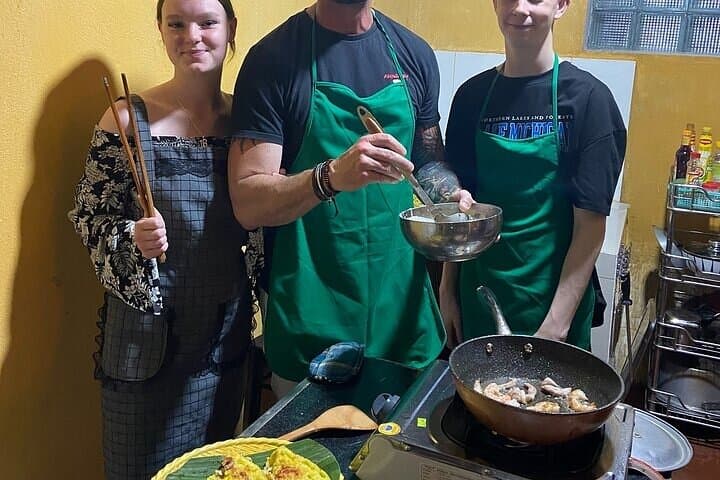
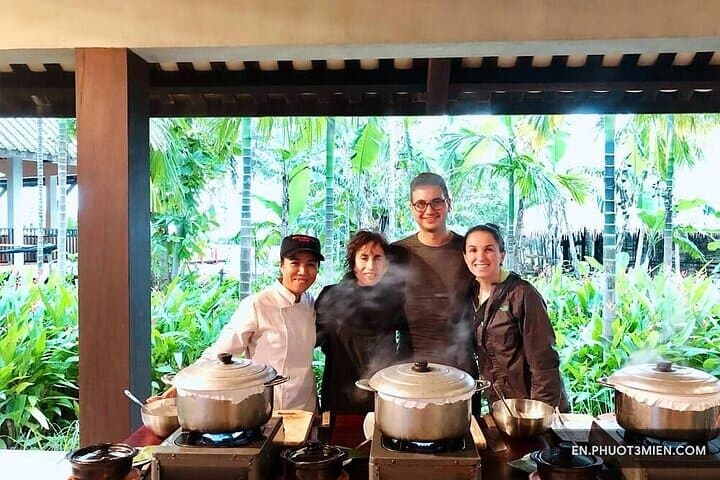
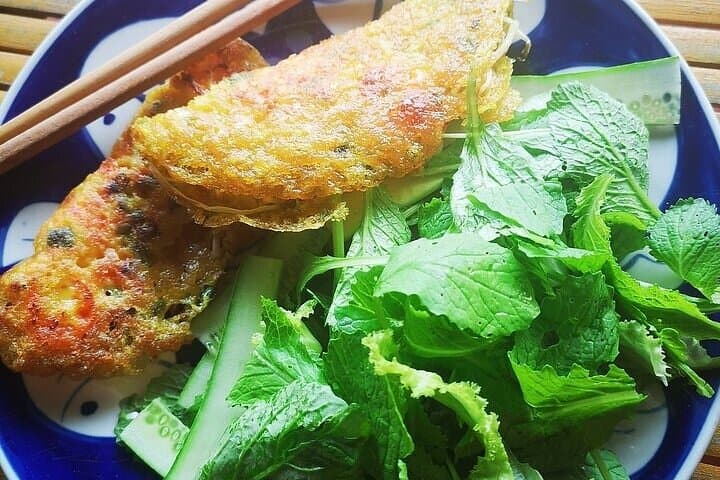
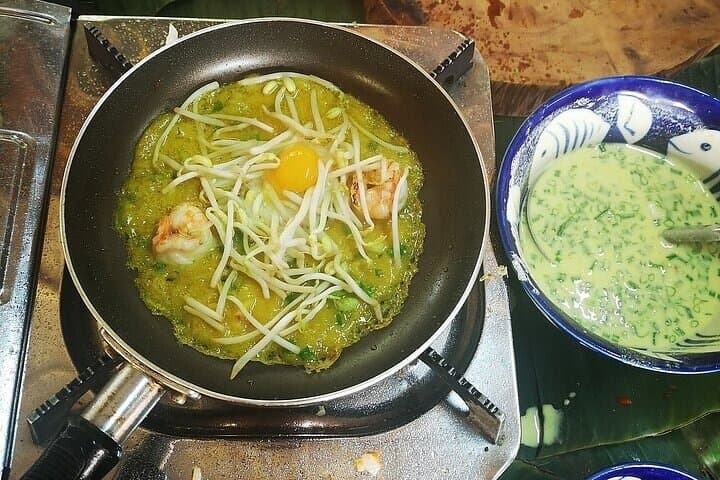
You’ll participate in preparing several dishes under a chef’s guidance, from ingredient prep to cooking and plating, then eat the meal you helped make.
Coracles are small and require stepping in and out from low banks; travelers with significant mobility restrictions should discuss options with the operator beforehand.
Guides often speak English at a conversational level; some operators provide multilingual staff, but check in advance if you need specific language support.
Hoi An developed as a regional trading port between the 15th–19th centuries; the Thu Bon delta and its coconut groves have long supported local fishing and small-scale agriculture.
The nipa and coconut fringes act as a coastal buffer; choose operators who minimize plastic use, avoid disturbing wildlife, and support local guides and communities.
Danang Hoian Private Tour operates guided outdoor trips and adventures with an emphasis on safety, stewardship, and memorable experiences.
The first paddle of the day is a small, confident circle: a round basket boat glides away from the riverbank, palms and nipa fronds leaning close enough to touch. Salted air carries the river’s churn and the distant clatter of market life; fishermen still cast nets where the Thu Bon meets the South China Sea. That damp, green corridor—known locally as the Bay Mau or Cam Thanh coconut area—feels both intimate and wild as you float through channels threaded with roots.
The first paddle of the day is a small, confident circle: a round basket boat glides away from the riverbank, palms and nipa fronds leaning close enough to touch. Salted air carries the river’s churn and the distant clatter of market life; fishermen still cast nets where the Thu Bon meets the South China Sea. That damp, green corridor—known locally as the Bay Mau or Cam Thanh coconut area—feels both intimate and wild as you float through channels threaded with roots.
Hoi An’s waterways shaped its history as a trading port: the Thu Bon delta brought spices, rice, and a bricolage of culinary influences that make local dishes distinctive. The coconut forest itself grows in brackish soil and supports a micro-ecosystem of birds and crabs; the round coracles are a traditional, nimble craft adapted to narrow canals and low tides. Your tour typically begins with a short visit to Hoi An Market to select herbs and ingredients, then a scenic river transfer and a hands-on cooking lesson where chefs teach several Vietnamese staples before you sit down to eat.
Practicalities: expect light movement—short walks in the market, sitting in a coracle, and standing during the class—over roughly five hours. Bring sun protection, insect repellent, and footwear that tolerates mud. Mornings are cooler and less crowded; tides affect how low some banks will sit, so follow your guide when boarding coracles. The activity is accessible for most fitness levels but is not recommended for pregnant travelers or those with serious back or heart conditions. With a bit of preparation you’ll leave with new recipes, photos of quiet canals, and a sharper sense of Hoi An’s riverine life.