THE ADVENTURE COLLECTIVE® · Independent discovery and booking for outdoor travel

Learn essential open-water skills on a three-day Basic Scuba Diver course in Sicily. This program mixes classroom lessons with confined- and open-water dives, culminating in an internationally recognized certification.
Learn essential open-water skills on a three-day Basic Scuba Diver course in Sicily. This program mixes classroom lessons with confined- and open-water dives, culminating in an internationally recognized certification.
The salty air cuts through the morning as you arrive at the dive center on Sicily’s coast. Wet suits hang like quiet armor; instructors are checking gear, and gulls wheel over a sea that will both test and teach you. Currents here can be playful or insistent, and the shallow bays used for training give way to rocky reefs that reward attention.
Verified experiences and guided adventures in the surrounding area.
Operated by Etna & Sea Excursion · Catania, Sicily
The salty air cuts through the morning as you arrive at the dive center on Sicily’s coast. Wet suits hang like quiet armor; instructors are checking gear, and gulls wheel over a sea that will both test and teach you. Currents here can be playful or insistent, and the shallow bays used for training give way to rocky reefs that reward attention.
Sicily’s coastline has been a crossroads of Phoenician, Greek and Roman sailors, and the underwater landscape still carries that layered past — volcanic outcrops, lava blocks and ancient cliffs create structure where marine life gathers. Local dive operators often point out small historical anchorages and submerged rock features while explaining regional geology and the seasonal migration of pelagic species.
The Basic Scuba Diver course is a focused, three-day program that alternates classroom theory with confined-water skills and open-water dives under instructor supervision. Expect to practice buoyancy control, regulator recovery and emergency procedures, then complete assessed dives to earn an internationally recognized certification. Classes typically use rented equipment; proof of any prior certification is required for more advanced entry.
Plan your days for early water sessions when visibility is best. Hydrate, keep your logbook and questions handy, and listen closely to briefings — most accidents are preventable with good communication. If you want to keep progressing, ask the instructor about local dive sites and conservation practices; Sicilian waters are full of surprises if you respect them.
moderate.
2–3 days.
Suitable for most reasonably fit people comfortable in the water; basic swimming ability and the ability to carry and move moderate gear are required.
No prior scuba experience is required; the course is designed for beginners but will include a medical questionnaire to screen for conditions that can affect safety.
The certification from this basic course is internationally recognized and does not expire, though refreshers are recommended if you do not dive regularly.
Yes — this program typically includes rental of standard scuba equipment (BCD, regulator, tanks); verify specifics with the operator before arrival.
Group sizes are often capped (commonly up to 15 in shared courses), ensuring instructors can provide hands-on supervision during confined- and open-water dives.
Sicily’s coasts have hosted ancient maritime routes; shipwrecks and submerged artifacts reflect centuries of Mediterranean trade and seafaring activity.
Many Sicilian dive areas are subject to fishing restrictions and MPAs; follow local rules, avoid touching marine life, and use reef-safe sun protection.
Etna & Sea Excursion operates guided outdoor trips and adventures with an emphasis on safety, stewardship, and memorable experiences.
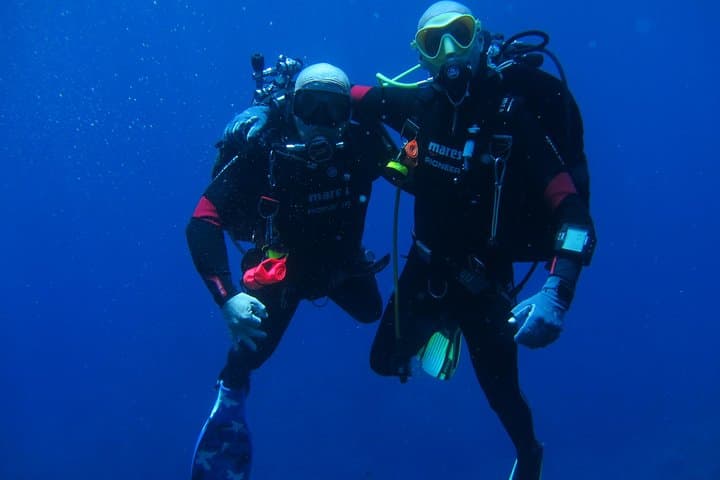
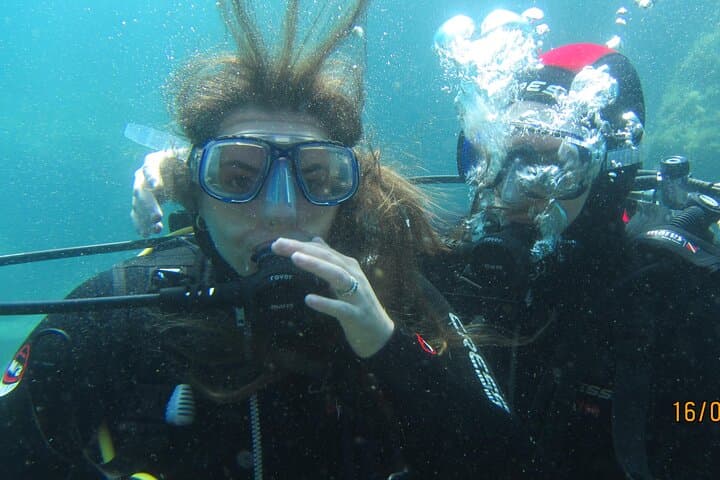
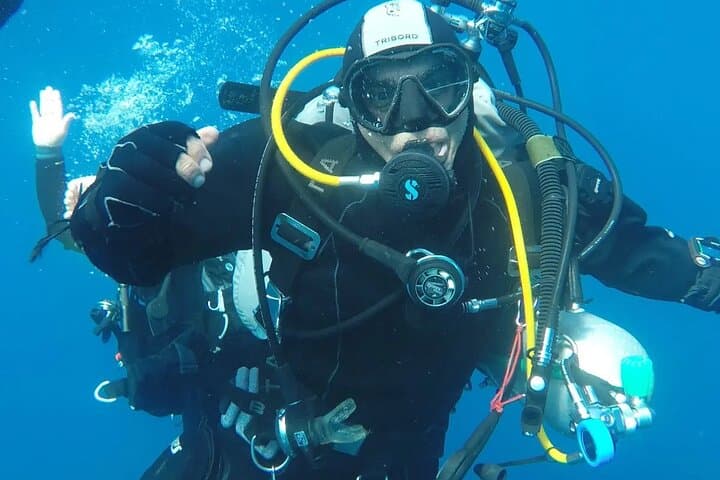
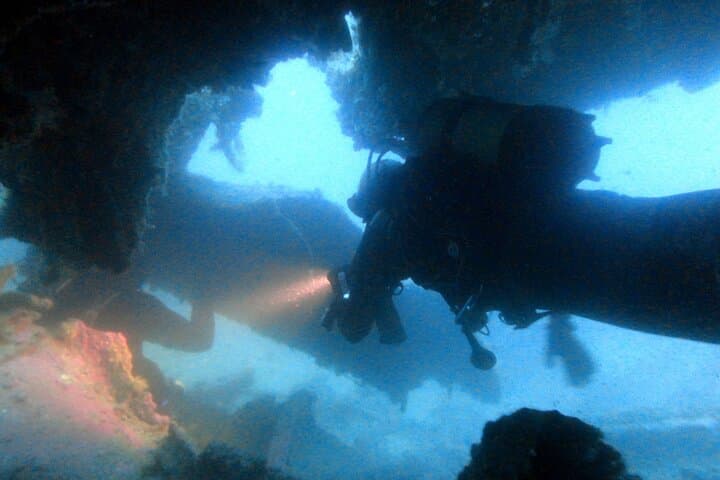
The salty air cuts through the morning as you arrive at the dive center on Sicily’s coast. Wet suits hang like quiet armor; instructors are checking gear, and gulls wheel over a sea that will both test and teach you. Currents here can be playful or insistent, and the shallow bays used for training give way to rocky reefs that reward attention.
The salty air cuts through the morning as you arrive at the dive center on Sicily’s coast. Wet suits hang like quiet armor; instructors are checking gear, and gulls wheel over a sea that will both test and teach you. Currents here can be playful or insistent, and the shallow bays used for training give way to rocky reefs that reward attention.
Sicily’s coastline has been a crossroads of Phoenician, Greek and Roman sailors, and the underwater landscape still carries that layered past — volcanic outcrops, lava blocks and ancient cliffs create structure where marine life gathers. Local dive operators often point out small historical anchorages and submerged rock features while explaining regional geology and the seasonal migration of pelagic species.
The Basic Scuba Diver course is a focused, three-day program that alternates classroom theory with confined-water skills and open-water dives under instructor supervision. Expect to practice buoyancy control, regulator recovery and emergency procedures, then complete assessed dives to earn an internationally recognized certification. Classes typically use rented equipment; proof of any prior certification is required for more advanced entry.
Plan your days for early water sessions when visibility is best. Hydrate, keep your logbook and questions handy, and listen closely to briefings — most accidents are preventable with good communication. If you want to keep progressing, ask the instructor about local dive sites and conservation practices; Sicilian waters are full of surprises if you respect them.