THE ADVENTURE COLLECTIVE® · Independent discovery and booking for outdoor travel

Learn the basics of kitesurfing on a six-hour, instructor-led course in Italy. Expect one hour of theory and practical in-water progressions tailored for beginners — split across sessions for safety and retention.
Learn the basics of kitesurfing on a six-hour, instructor-led course in Italy. Expect one hour of theory and practical in-water progressions tailored for beginners — split across sessions for safety and retention.
You step onto a wide, windswept beach with a kite already tugging at the air — the wind testing your balance and daring you forward. The instructor calls out through a radio from a safety dinghy while the sea stretches cool and bright; the kite rises like a patient bird, waiting to teach you how to read it.
Verified experiences and guided adventures in the surrounding area.
Operated by SPK - Surfing Park Kite · Ostia, Lazio
You step onto a wide, windswept beach with a kite already tugging at the air — the wind testing your balance and daring you forward. The instructor calls out through a radio from a safety dinghy while the sea stretches cool and bright; the kite rises like a patient bird, waiting to teach you how to read it.
Kitesurfing in Italy sits at the intersection of a long maritime culture and modern water sport. Along many Italian coasts, shallow continental shelves and steady sea breezes create predictable sailing conditions; beaches used for wind sports often grew from fishing hamlets and seasonal tourism. Geologically, many favored spots have sandy bottoms and gentle beach breaks that make shallow-water launching and early rides safer for beginners.
Culturally, learning on a local beach means sharing space with windsurfers, beachgoers, and fishermen — expect a relaxed, social environment where safety briefings and respect for right-of-way are routine. Instructors follow IKO standards: short classroom sessions, on-shore kite handling, then progressive in-water practice from shallow to standing rides.
Practically, the six-hour course is commonly split across two sessions. Bring a wetsuit for shoulder-season water, a change of clothes, and sun protection. Hydrate before and after onshore drills; tuck valuables away — salt and sand are unforgiving. Beginners should arrive with basic swimming ability and an open mind: success comes from repetition, clear signals, and trusting the wind. By the end, you’ll have the foundational kite control and safety knowledge to keep learning — and a clear sense of how the sea and wind partner to propel you forward.
moderate.
6 hours (often split into two sessions).
Moderate fitness and basic swimming ability; comfortable wading in chest-deep water and handling physical tasks for several short, intensive drills.
No prior kitesurfing experience is required, but you should be comfortable in the water and able to swim.
Typically one hour of shore-based theory and safety, followed by progressive on-water kite handling and supervised practice spread across practical sessions.
Age and physical considerations vary by operator; most courses accept teens and adults in reasonable health, but check restrictions on weight, age, and medical conditions.
Operators monitor wind and sea conditions; sessions may be rescheduled if conditions are unsafe, but cancellation policies can be strict — confirm before booking.
Coastal towns around Italy evolved from fishing and trading ports; modern wind sports repurpose these beaches where winds funnel predictably along the shore.
Respect marked protected areas and avoid launching in dunes; rinse gear with fresh water to reduce salt-related waste and minimize disturbance to nesting birds in spring.
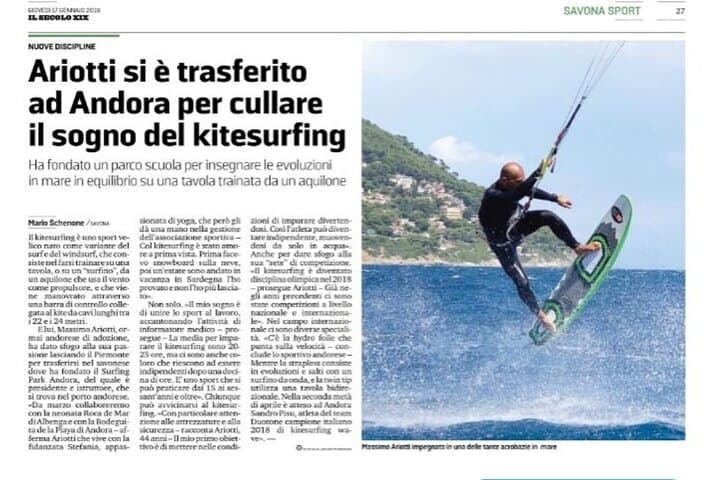
SPK - Surfing Park Kite operates guided outdoor trips and adventures with an emphasis on safety, stewardship, and memorable experiences.
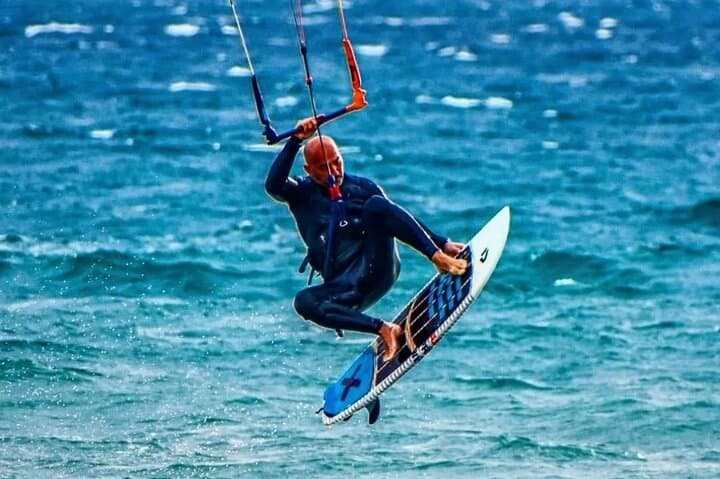
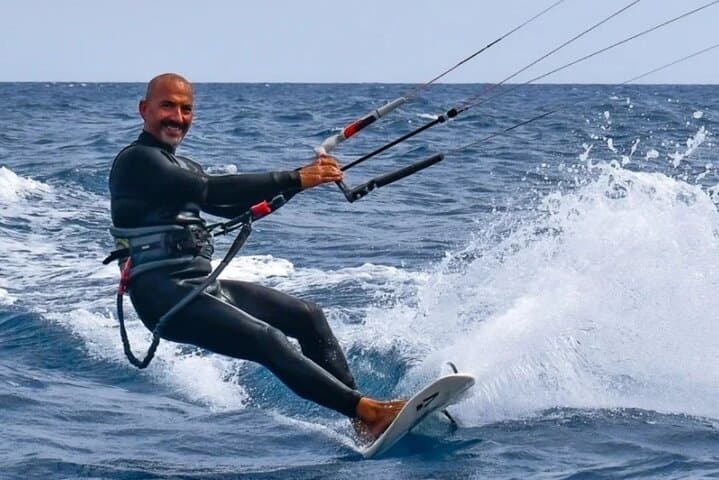

You step onto a wide, windswept beach with a kite already tugging at the air — the wind testing your balance and daring you forward. The instructor calls out through a radio from a safety dinghy while the sea stretches cool and bright; the kite rises like a patient bird, waiting to teach you how to read it.
You step onto a wide, windswept beach with a kite already tugging at the air — the wind testing your balance and daring you forward. The instructor calls out through a radio from a safety dinghy while the sea stretches cool and bright; the kite rises like a patient bird, waiting to teach you how to read it.
Kitesurfing in Italy sits at the intersection of a long maritime culture and modern water sport. Along many Italian coasts, shallow continental shelves and steady sea breezes create predictable sailing conditions; beaches used for wind sports often grew from fishing hamlets and seasonal tourism. Geologically, many favored spots have sandy bottoms and gentle beach breaks that make shallow-water launching and early rides safer for beginners.
Culturally, learning on a local beach means sharing space with windsurfers, beachgoers, and fishermen — expect a relaxed, social environment where safety briefings and respect for right-of-way are routine. Instructors follow IKO standards: short classroom sessions, on-shore kite handling, then progressive in-water practice from shallow to standing rides.
Practically, the six-hour course is commonly split across two sessions. Bring a wetsuit for shoulder-season water, a change of clothes, and sun protection. Hydrate before and after onshore drills; tuck valuables away — salt and sand are unforgiving. Beginners should arrive with basic swimming ability and an open mind: success comes from repetition, clear signals, and trusting the wind. By the end, you’ll have the foundational kite control and safety knowledge to keep learning — and a clear sense of how the sea and wind partner to propel you forward.