THE ADVENTURE COLLECTIVE® · Independent discovery and booking for outdoor travel

A full‑day private trek from Puerto Natales to the Base of the Towers delivers raw Patagonian scenery, steep granite ascents and flexible logistics. This guide explains what to expect on trail, practical preparation, and local insights to make the most of the day.
A full‑day private trek from Puerto Natales to the Base of the Towers delivers raw Patagonian scenery, steep granite ascents and flexible logistics. This guide explains what to expect on trail, practical preparation, and local insights to make the most of the day.
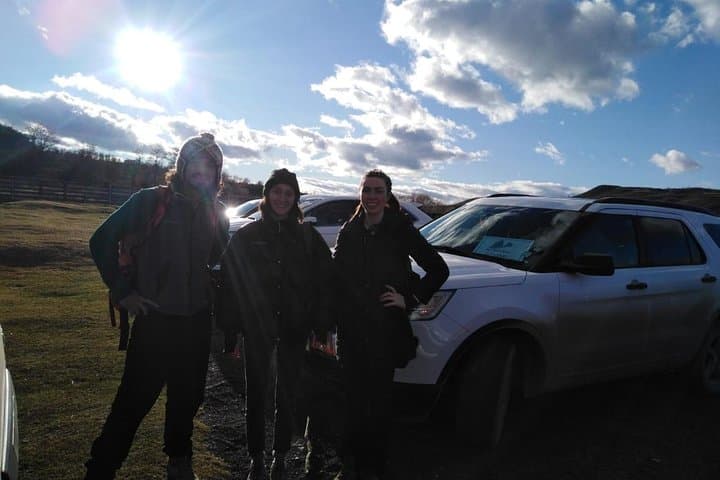
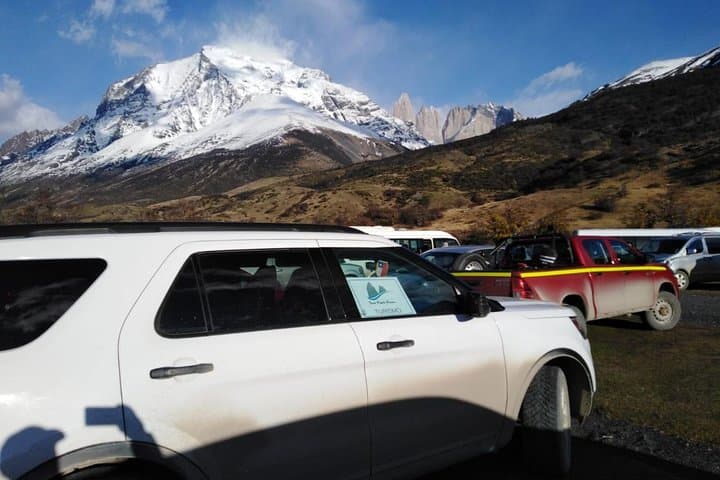
The morning light in Torres del Paine cuts through the lenga forest like a blade. You step out of an air‑conditioned van—part of a private transfer from Puerto Natales—and the wind immediately makes a promise: this place moves you, and it will not wait.
Verified experiences and guided adventures in the surrounding area.
Operated by TOURS PUNTA ARENAS · Puerto Natales, Magallanes y la Antártica Chilena
The morning light in Torres del Paine cuts through the lenga forest like a blade. You step out of an air‑conditioned van—part of a private transfer from Puerto Natales—and the wind immediately makes a promise: this place moves you, and it will not wait.
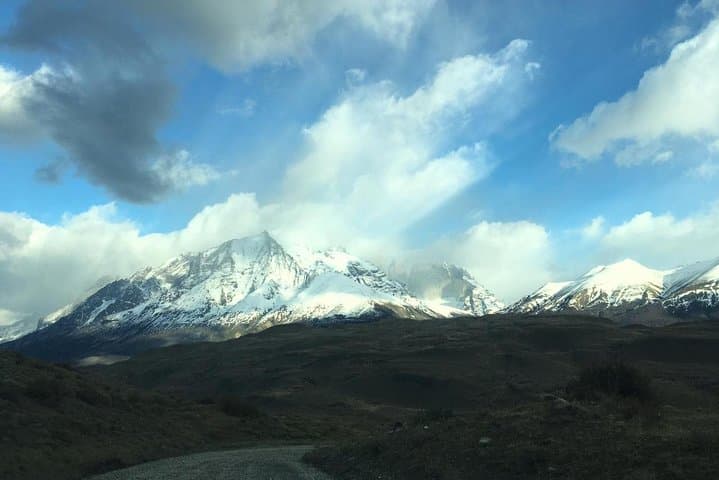
From the trailhead near Hotel Las Torres the switchbacks begin gently, the path threading through wind‑pruned beech and sphagnum bog. The massif of Paine sits to the west, granite faces catching sun and shadow. As the day advances the trail climbs; what started as polite undulation becomes a continuous ascent of rock and stair‑like steps. The final kilometer to the base is a concentrated push: loose stones, exposed ledges, and a view that keeps unfolding as if the mountain is drawing a curtain back for you.
Geology here is blunt and recent. The Torres—three granite towers forged by glacier erosion and uplift—rise above glacial valleys scoured in the last ice age. The surrounding lenga woods tell the cultural story: native Kawésqar and Tehuelche travelers moved through this wind‑scarred land long before it became a park in 1959. Today local guides, bilingual in Spanish and English, interpret both landscape and history as part of the private service offered from Puerto Natales.
The experience is part natural theater, part logistical exercise. A private day tour consolidates transport, a bilingual guide, snacks, basic gear options, and first aid into a long but manageable day—roughly 10–14 hours including transfer times. The ascent to the base is the physical highlight and the technical crux: steep, rocky, sometimes muddy underfoot. Descending asks for focus; many sprains happen on the way down.
Practical edge: start before dawn if you can. Early starts mean softer light on the towers, fewer people at the mirador, and calmer winds. Dress in layers—weather swings rapidly and wind and drizzle are part of the territory. Bring at least 2 liters of water, high‑calorie snacks, and a headlamp in case the return runs late. If you rent boots or crampons through the operator, ensure a short test walk to avoid blisters.
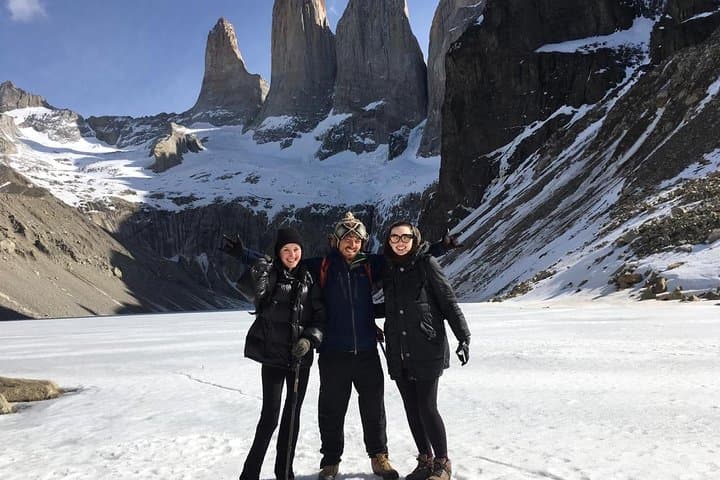
For photographers, the towers are most dramatic in low sun and with moving weather; for hikers, the payoff is the view from the base—a raw amphitheater of granite and glacier moraine that feels earned after the climb. On private services you gain flexibility: pacing tailored to your group, safety redundancy with an assistant guide, and extra time at viewpoints. Out here the wind speaks and the granite listens—come prepared, move deliberately, and the Torres reward every careful step.
challenging.
10–14 hours.
Good cardiovascular fitness and leg strength; able to hike 6–8 hours with sustained climbs and unstable footing.
Expect roughly 4–6 hours round‑trip of walking time from Hotel Las Torres to the mirador, with total outing length including transfers around 10–14 hours.
Hikers with moderate fitness can do it, but the final ascent is steep and demanding—choose a private guide who can pace the group and provide support.
Typical inclusions are bilingual guide(s), transport from Puerto Natales, basic equipment options, snacks and a first‑aid kit; park admission is usually not included—confirm with the operator.
Yes—private pickups from hotels in Puerto Natales and some park lodges are offered; the supplier coordinates pickup details at booking.
Day visitors do not need a prebooked permit, but you must pay park entrance fees at park checkpoints; confirm current fees and card/cash policies before travel.
Basic facilities exist at trailheads and some refugios, but expect limited services on the upper sections—carry hand sanitizer and plan accordingly.
The Torres area has been traversed for centuries by indigenous Kawésqar and Tehuelche people; the park was designated in 1959 and expanded to protect its unique glacial landscapes.
Torres del Paine faces trail erosion and visitor pressure—stick to marked trails, pack out waste, and consider guided, small‑group tours to reduce impact.
TOURS PUNTA ARENAS operates guided outdoor trips and adventures with an emphasis on safety, stewardship, and memorable experiences.
The morning light in Torres del Paine cuts through the lenga forest like a blade. You step out of an air‑conditioned van—part of a private transfer from Puerto Natales—and the wind immediately makes a promise: this place moves you, and it will not wait.
The morning light in Torres del Paine cuts through the lenga forest like a blade. You step out of an air‑conditioned van—part of a private transfer from Puerto Natales—and the wind immediately makes a promise: this place moves you, and it will not wait.
From the trailhead near Hotel Las Torres the switchbacks begin gently, the path threading through wind‑pruned beech and sphagnum bog. The massif of Paine sits to the west, granite faces catching sun and shadow. As the day advances the trail climbs; what started as polite undulation becomes a continuous ascent of rock and stair‑like steps. The final kilometer to the base is a concentrated push: loose stones, exposed ledges, and a view that keeps unfolding as if the mountain is drawing a curtain back for you.
Geology here is blunt and recent. The Torres—three granite towers forged by glacier erosion and uplift—rise above glacial valleys scoured in the last ice age. The surrounding lenga woods tell the cultural story: native Kawésqar and Tehuelche travelers moved through this wind‑scarred land long before it became a park in 1959. Today local guides, bilingual in Spanish and English, interpret both landscape and history as part of the private service offered from Puerto Natales.
The experience is part natural theater, part logistical exercise. A private day tour consolidates transport, a bilingual guide, snacks, basic gear options, and first aid into a long but manageable day—roughly 10–14 hours including transfer times. The ascent to the base is the physical highlight and the technical crux: steep, rocky, sometimes muddy underfoot. Descending asks for focus; many sprains happen on the way down.
Practical edge: start before dawn if you can. Early starts mean softer light on the towers, fewer people at the mirador, and calmer winds. Dress in layers—weather swings rapidly and wind and drizzle are part of the territory. Bring at least 2 liters of water, high‑calorie snacks, and a headlamp in case the return runs late. If you rent boots or crampons through the operator, ensure a short test walk to avoid blisters.
For photographers, the towers are most dramatic in low sun and with moving weather; for hikers, the payoff is the view from the base—a raw amphitheater of granite and glacier moraine that feels earned after the climb. On private services you gain flexibility: pacing tailored to your group, safety redundancy with an assistant guide, and extra time at viewpoints. Out here the wind speaks and the granite listens—come prepared, move deliberately, and the Torres reward every careful step.