THE ADVENTURE COLLECTIVE® · Independent discovery and booking for outdoor travel

Explore Sardinia’s best-preserved nuragic fortress at Su Nuraxi and the wind-swept Giara plateau—home to tiny wild horses—on a four-hour tour from Cagliari. Expect moderate walking, big stone steps and wide open views that reward early starts.
Explore Sardinia’s best-preserved nuragic fortress at Su Nuraxi and the wind-swept Giara plateau—home to tiny wild horses—on a four-hour tour from Cagliari. Expect moderate walking, big stone steps and wide open views that reward early starts.
You step off the minivan into limestone dust and heat—ancient stone circles rise around a compact nuraghe like a small, stubborn fortress holding time. Su Nuraxi’s stacked towers and narrow passageways pull you through 3,800 years of Sardinian life: craftsmen, shepherds and island rulers building with volcanic rock and human persistence.
Verified experiences and guided adventures in the surrounding area.
Operated by Sardinia Tourist Guide · Barumini, Sardinia
You step off the minivan into limestone dust and heat—ancient stone circles rise around a compact nuraghe like a small, stubborn fortress holding time. Su Nuraxi’s stacked towers and narrow passageways pull you through 3,800 years of Sardinian life: craftsmen, shepherds and island rulers building with volcanic rock and human persistence.
The tour begins in Cagliari and crosses the Marmilla plain—wheat, artichoke fields and low, weathered hills—before delivering travelers to Barumini. Su Nuraxi, a UNESCO site, is the best-preserved example of the island’s Bronze Age nuragic towers; its concentric layout reveals domestic life and communal defense. Geologically, the area sits on Miocene deposits and volcanic intrusions; a short drive brings you to the Giara plateau, a basaltic mesa whose flat top cradles seasonal ponds and the small, hardy Giara horses that graze the grasslands.
Culturally, you’ll pass villages with street art and roadside chapels that mark centuries of rural Sardinia. Guides often weave folklore about horse herds and local shepherding traditions into the visit.
Practical guidance: the full excursion runs about four hours including transport; expect moderate walking, some steps and tight passages at the nuraghe, and short, uneven trails on the Giara. Wear sturdy walking shoes, bring 1–1.5 liters of water, sun protection and a light layer for coastal wind. Morning departures avoid midday heat and give better light for photography. Respect the horses—observe from a distance and don’t feed them. The tour suits travelers with moderate fitness and curiosity for archaeology and open, wind-swept landscapes.
moderate.
4 hours.
Moderate—able to walk at least 2–3 miles over uneven ground and climb several stone steps.
The tour is approximately 4 hours total and includes hotel or port pickup and drop-off by air-conditioned minivan.
Admission is handled on-site; the tour description notes the site visit but confirm if entrance fees are covered when booking.
Children must be accompanied by an adult; the visit involves stairs and narrow passages, so it’s not recommended for travelers with serious mobility, spinal or heart conditions.
You can often observe the small Giara horses grazing on the plateau, but sightings are not guaranteed; approach slowly and keep distance to avoid disturbing them.
Su Nuraxi is a Bronze Age nuragic complex dating back around 3,800 years and is the most complete example of prehistoric Sardinian tower settlements.
The Giara plateau and Nuragic sites are sensitive; stick to paths, avoid trampling vegetation and follow local guidelines to protect archaeological features and fragile plateau habitats.
Sardinia Tourist Guide operates guided outdoor trips and adventures with an emphasis on safety, stewardship, and memorable experiences.
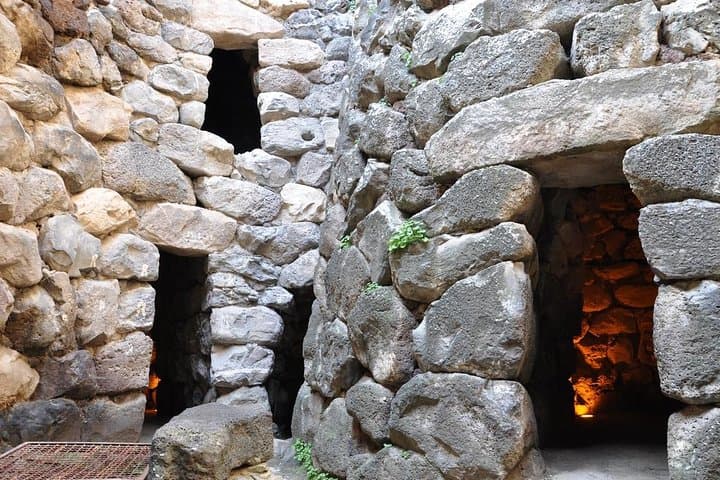


You step off the minivan into limestone dust and heat—ancient stone circles rise around a compact nuraghe like a small, stubborn fortress holding time. Su Nuraxi’s stacked towers and narrow passageways pull you through 3,800 years of Sardinian life: craftsmen, shepherds and island rulers building with volcanic rock and human persistence.
You step off the minivan into limestone dust and heat—ancient stone circles rise around a compact nuraghe like a small, stubborn fortress holding time. Su Nuraxi’s stacked towers and narrow passageways pull you through 3,800 years of Sardinian life: craftsmen, shepherds and island rulers building with volcanic rock and human persistence.
The tour begins in Cagliari and crosses the Marmilla plain—wheat, artichoke fields and low, weathered hills—before delivering travelers to Barumini. Su Nuraxi, a UNESCO site, is the best-preserved example of the island’s Bronze Age nuragic towers; its concentric layout reveals domestic life and communal defense. Geologically, the area sits on Miocene deposits and volcanic intrusions; a short drive brings you to the Giara plateau, a basaltic mesa whose flat top cradles seasonal ponds and the small, hardy Giara horses that graze the grasslands.
Culturally, you’ll pass villages with street art and roadside chapels that mark centuries of rural Sardinia. Guides often weave folklore about horse herds and local shepherding traditions into the visit.
Practical guidance: the full excursion runs about four hours including transport; expect moderate walking, some steps and tight passages at the nuraghe, and short, uneven trails on the Giara. Wear sturdy walking shoes, bring 1–1.5 liters of water, sun protection and a light layer for coastal wind. Morning departures avoid midday heat and give better light for photography. Respect the horses—observe from a distance and don’t feed them. The tour suits travelers with moderate fitness and curiosity for archaeology and open, wind-swept landscapes.