THE ADVENTURE COLLECTIVE® · Independent discovery and booking for outdoor travel

Boat across the Itabaca Channel to Bartolomé for a 400-step climb to a dramatic viewpoint, then snorkel crystal waters at Sullivan Bay among turtles and reef fish. This full-day Galápagos circuit blends volcanic landscapes with accessible marine wildlife encounters.
Boat across the Itabaca Channel to Bartolomé for a 400-step climb to a dramatic viewpoint, then snorkel crystal waters at Sullivan Bay among turtles and reef fish. This full-day Galápagos circuit blends volcanic landscapes with accessible marine wildlife encounters.
The sea opens in a bright, glassy arc as the skiff slides away from Santa Cruz; salt stings the air and basalt spires appear like the bones of an ancient reef. By midmorning you’re stepping onto Bartolomé’s short lava trail and climbing roughly 400 wooden steps to a viewpoint that throws the islands wide — the pinnacled rock jutting like a marker of place and time.
Verified experiences and guided adventures in the surrounding area.
Operated by Howlanders · Puerto Ayora, Galápagos
The sea opens in a bright, glassy arc as the skiff slides away from Santa Cruz; salt stings the air and basalt spires appear like the bones of an ancient reef. By midmorning you’re stepping onto Bartolomé’s short lava trail and climbing roughly 400 wooden steps to a viewpoint that throws the islands wide — the pinnacled rock jutting like a marker of place and time.
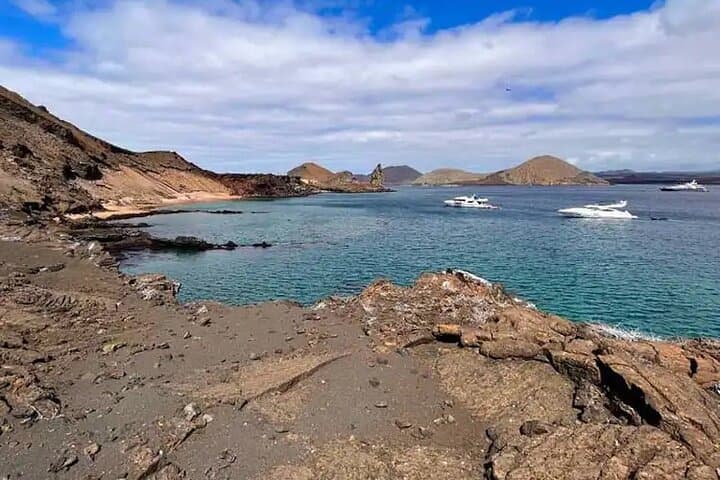
Bartolomé is young volcanic ground: black, pitted pahoehoe and cinder cones shaped by flows only a few thousand years old. The walk across compacted lava fields passes low lava cactus and endemic plant pockets that survived the harsh salt spray and wind. The greater itinerary threads geology with wildlife — Galápagos penguins and marine iguanas lower on the shore, sea turtles and reef fish below the surface — reflecting Darwin’s observations on isolation and adaptive radiation.
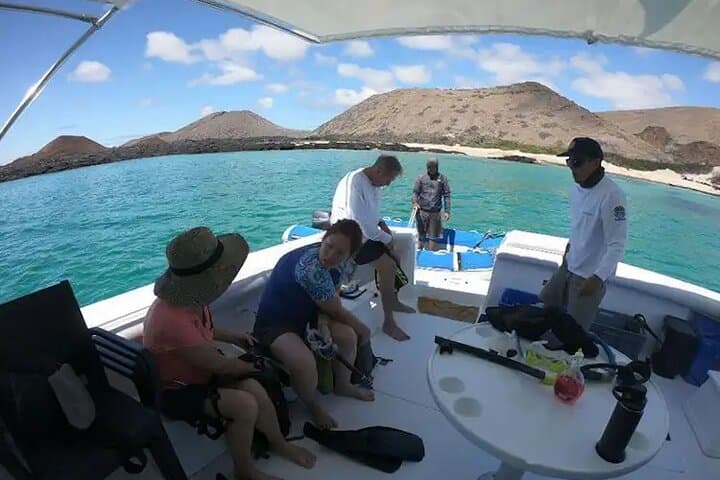
Practicalities arrive with the panorama. Expect a 800 m, 115 m elevation gain walk to the main overlook (about 30–45 minutes at a steady pace). Snorkeling follows at Sullivan Bay (or Sombrero Chino if conditions force a change) in warm, clear water where visibility is typically good and wetsuits are usually unnecessary.
Bring reef-safe sunscreen, a hat, reef shoes, and a snorkel mask that fits. Plan for an early pickup from Puerto Ayora and a full 10-hour day that includes boat transfers and lunch onboard. Hydrate before the hike, pace yourself on the steps, and listen to the bilingual guide’s briefings — currents and wildlife behavior change by season. For a one-day collage of Galápagos geology and marine life, Bartolomé delivers a directed, high-impact experience that rewards steady legs and curiosity.
moderate.
10 hours.
Moderate fitness; able to climb 400 steps and swim confidently for snorkeling sessions
Yes — snorkeling requires basic swimming ability; if you’re uncomfortable in open water, inform the guide and request a life jacket.
Generally no; water temperatures in the snorkeling areas are warm year-round, though a shorty or light vest can help in cooler months.
The trail is about 800 m with a 115 m ascent; expect 30–45 minutes up at a steady pace, shorter for fit hikers.
Common sightings include green sea turtles, reef fish, and occasionally white-tip reef sharks; marine iguanas and penguins are seen on land sections.
Bartolomé formed from recent volcanic flows; its landscape and isolated wildlife were key observation sites in early natural history studies of the archipelago.
The Galápagos is strictly regulated — stick to marked trails, use reef-safe products and follow guide instructions to minimize disturbance to endemic species.
Howlanders operates guided outdoor trips and adventures with an emphasis on safety, stewardship, and memorable experiences.
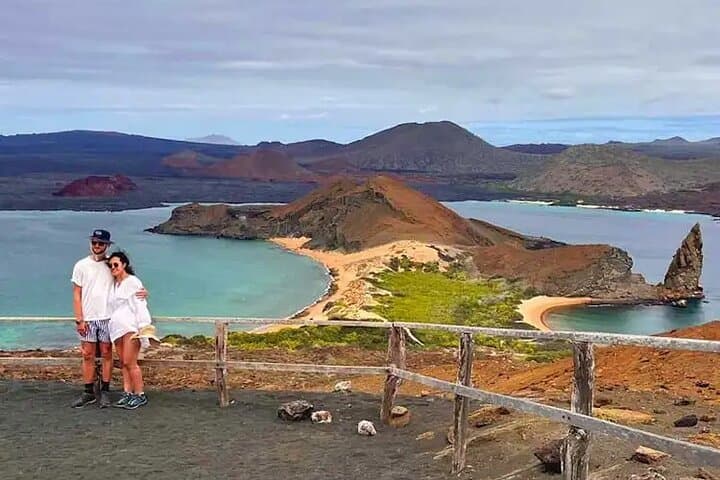
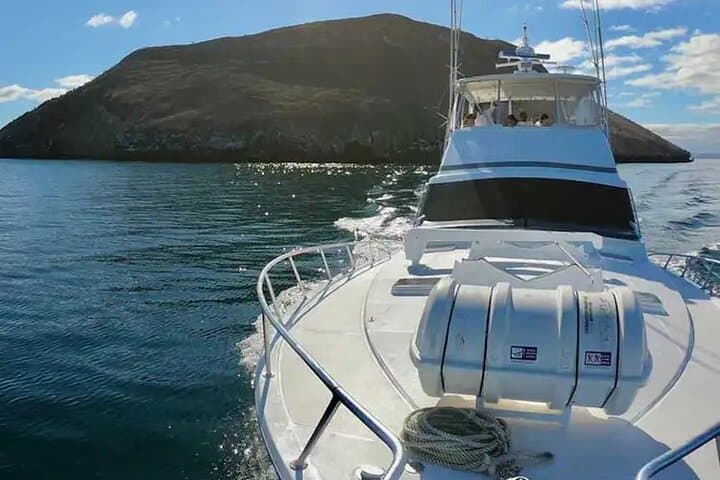
The sea opens in a bright, glassy arc as the skiff slides away from Santa Cruz; salt stings the air and basalt spires appear like the bones of an ancient reef. By midmorning you’re stepping onto Bartolomé’s short lava trail and climbing roughly 400 wooden steps to a viewpoint that throws the islands wide — the pinnacled rock jutting like a marker of place and time.
The sea opens in a bright, glassy arc as the skiff slides away from Santa Cruz; salt stings the air and basalt spires appear like the bones of an ancient reef. By midmorning you’re stepping onto Bartolomé’s short lava trail and climbing roughly 400 wooden steps to a viewpoint that throws the islands wide — the pinnacled rock jutting like a marker of place and time.
Bartolomé is young volcanic ground: black, pitted pahoehoe and cinder cones shaped by flows only a few thousand years old. The walk across compacted lava fields passes low lava cactus and endemic plant pockets that survived the harsh salt spray and wind. The greater itinerary threads geology with wildlife — Galápagos penguins and marine iguanas lower on the shore, sea turtles and reef fish below the surface — reflecting Darwin’s observations on isolation and adaptive radiation.
Practicalities arrive with the panorama. Expect a 800 m, 115 m elevation gain walk to the main overlook (about 30–45 minutes at a steady pace). Snorkeling follows at Sullivan Bay (or Sombrero Chino if conditions force a change) in warm, clear water where visibility is typically good and wetsuits are usually unnecessary.
Bring reef-safe sunscreen, a hat, reef shoes, and a snorkel mask that fits. Plan for an early pickup from Puerto Ayora and a full 10-hour day that includes boat transfers and lunch onboard. Hydrate before the hike, pace yourself on the steps, and listen to the bilingual guide’s briefings — currents and wildlife behavior change by season. For a one-day collage of Galápagos geology and marine life, Bartolomé delivers a directed, high-impact experience that rewards steady legs and curiosity.