THE ADVENTURE COLLECTIVE® · Independent discovery and booking for outdoor travel

Walk Bartlett’s brick streets and abandoned banks with a guide who knows the scandals, the first electric plant in Texas, and the jail that still holds stories. This 90-minute tour blends history, film lore and small-town architecture.
Walk Bartlett’s brick streets and abandoned banks with a guide who knows the scandals, the first electric plant in Texas, and the jail that still holds stories. This 90-minute tour blends history, film lore and small-town architecture.
The walk begins on a sun-baked corner of Clark and Evie, where a guide gathers a small group and the brick streets seem to hush as if to tell a secret.
Verified experiences and guided adventures in the surrounding area.
Operated by Bartlett Secrets Walking Tour · Bartlett, Texas
The walk begins on a sun-baked corner of Clark and Evie, where a guide gathers a small group and the brick streets seem to hush as if to tell a secret.
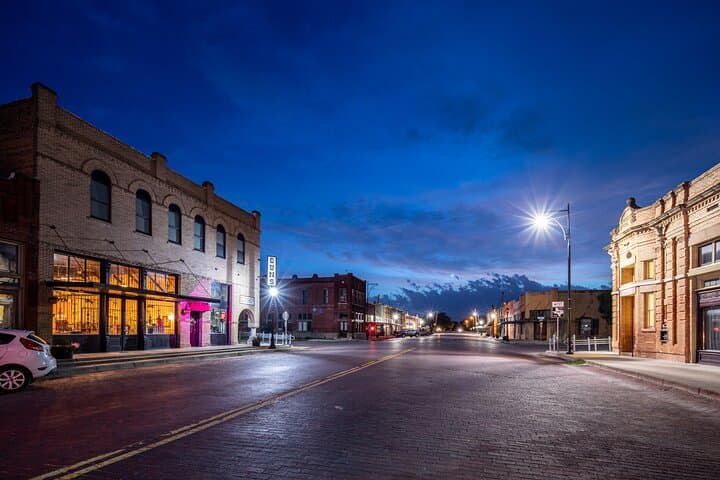
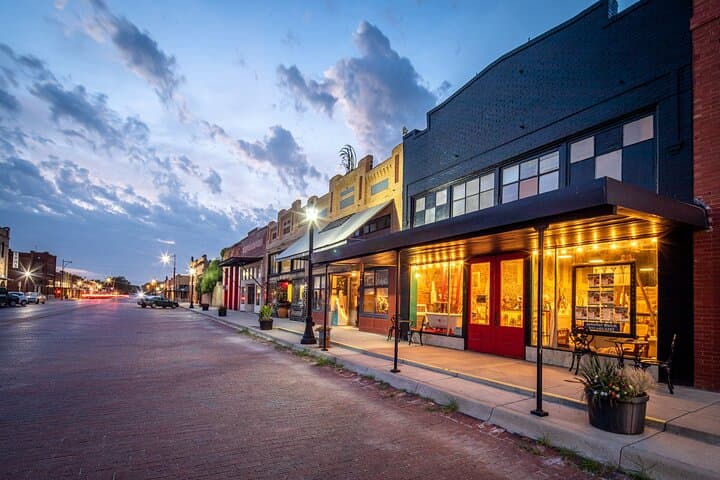
You move through doorways that still hold the scent of dust and oil, past the faded façade of two long-empty banks, into the shadowed cells of an abandoned jail and alongside the low-slung building that once hosted the first electric power plant in Texas. The town’s railroad bones are visible in weathered track alignments and service ramps; Bartlett reads like a place where commerce paused and left stories behind.
Bartlett’s history is practical and jagged: a late-19th-century railroad boomtown that was the first in Texas to light its streets, later marked by Prohibition-era scandals, foiled robberies and use as a film set. Geologically the town sits on gently rolling Blackland Prairie soils—nothing alpine, but the flat horizons focus attention on the architecture and the sky.
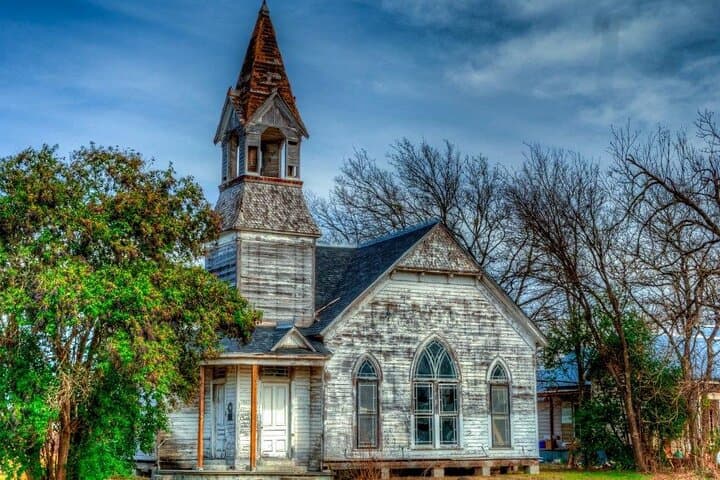
Expect guided storytelling with stops at the jail cells, the electric plant site, brick downtown and the Presbyterian church landmark. Guides emphasize safety and private-property boundaries; much of the experience depends on small, fragile structures that are closing in on their centennial.
Practical tips: wear closed-toe shoes for uneven brick and interior floors, bring water for a 90-minute outdoor walk, and plan for midday sun in summer. Photography is welcome, but follow the guide’s instructions when entering interior spaces. The tour balances eerie intrigue with straightforward local history—best for curious visitors who like walking, old buildings and the unexpected details of small-town Texas life.
easy.
1.5 hours.
Suitable for most fitness levels; requires walking on uneven surfaces for about 90 minutes and occasional low steps.
Guides allow access only to vetted areas; follow instructions and do not enter closed or roped-off structures for safety and preservation reasons.
Yes—this tour is rated easy and accessible to most ages, though mobility issues may make some interiors difficult; contact the operator ahead for accommodations.
Yes; photography for personal use is permitted but commercial shoots require advance permission and respect for private property and fragile interiors.
The operator may cancel for severe weather; for a full refund cancel at least 24 hours in advance per the booking policy.
Bartlett grew as a railroad stop in the late 1800s and was the first town in Texas to have municipal electric lighting; its banks and churches reveal a boom-and-bust small-town arc tied to rail and prohibition-era headlines.
Buildings are fragile—stay on walkways, avoid removing artifacts or graffiti, and support local preservation efforts by following tour rules and using local services.
Bartlett Secrets Walking Tour operates guided outdoor trips and adventures with an emphasis on safety, stewardship, and memorable experiences.
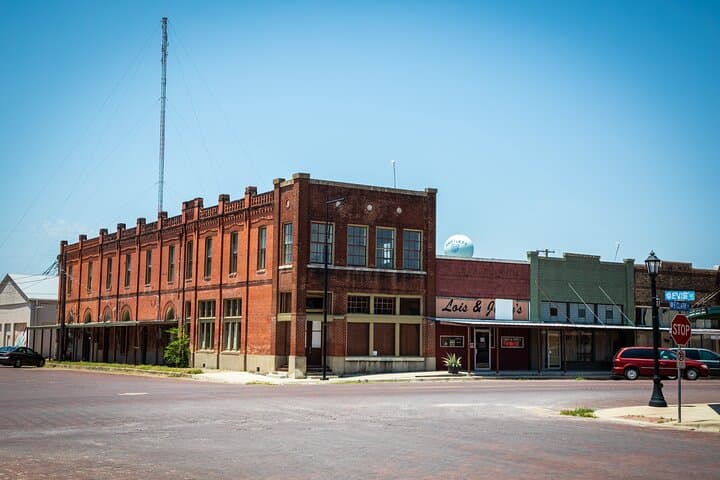
The walk begins on a sun-baked corner of Clark and Evie, where a guide gathers a small group and the brick streets seem to hush as if to tell a secret.
The walk begins on a sun-baked corner of Clark and Evie, where a guide gathers a small group and the brick streets seem to hush as if to tell a secret.
You move through doorways that still hold the scent of dust and oil, past the faded façade of two long-empty banks, into the shadowed cells of an abandoned jail and alongside the low-slung building that once hosted the first electric power plant in Texas. The town’s railroad bones are visible in weathered track alignments and service ramps; Bartlett reads like a place where commerce paused and left stories behind.
Bartlett’s history is practical and jagged: a late-19th-century railroad boomtown that was the first in Texas to light its streets, later marked by Prohibition-era scandals, foiled robberies and use as a film set. Geologically the town sits on gently rolling Blackland Prairie soils—nothing alpine, but the flat horizons focus attention on the architecture and the sky.
Expect guided storytelling with stops at the jail cells, the electric plant site, brick downtown and the Presbyterian church landmark. Guides emphasize safety and private-property boundaries; much of the experience depends on small, fragile structures that are closing in on their centennial.
Practical tips: wear closed-toe shoes for uneven brick and interior floors, bring water for a 90-minute outdoor walk, and plan for midday sun in summer. Photography is welcome, but follow the guide’s instructions when entering interior spaces. The tour balances eerie intrigue with straightforward local history—best for curious visitors who like walking, old buildings and the unexpected details of small-town Texas life.