THE ADVENTURE COLLECTIVE® · Independent discovery and booking for outdoor travel

A focused half-day tour that links El Prado’s heritage houses, the Carnival Museum and the Great Malecón del Río. Ideal for travelers who want a clear, walkable introduction to Barranquilla’s culture and riverfront life.
A focused half-day tour that links El Prado’s heritage houses, the Carnival Museum and the Great Malecón del Río. Ideal for travelers who want a clear, walkable introduction to Barranquilla’s culture and riverfront life.
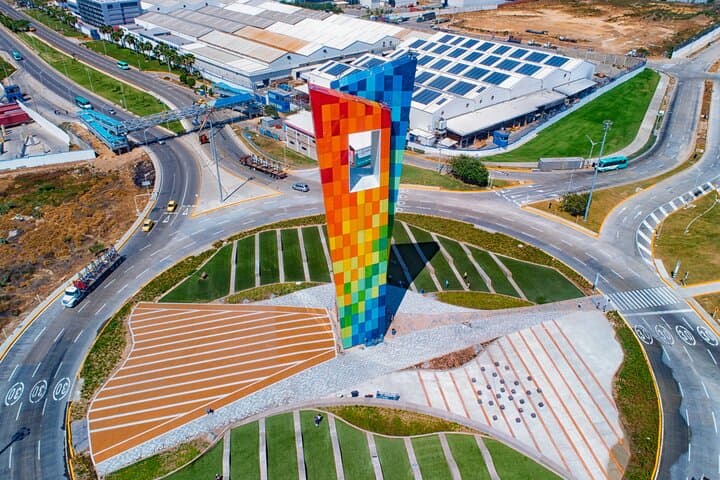
The city opens up as you step off the van onto the wide promenade of the Great Malecón del Río, the Magdalena River moving like a slow, insistent companion along the city’s edge. Morning light hits the colored facades of El Prado; colonial-era houses and 1920s brickwork stand against the restless Caribbean sky. You can hear the distant echo of baseball crowds and the hum of Calle 72 life.
Verified experiences and guided adventures in the surrounding area.
Operated by Caribia Tours · Barranquilla, Atlántico
The city opens up as you step off the van onto the wide promenade of the Great Malecón del Río, the Magdalena River moving like a slow, insistent companion along the city’s edge. Morning light hits the colored facades of El Prado; colonial-era houses and 1920s brickwork stand against the restless Caribbean sky. You can hear the distant echo of baseball crowds and the hum of Calle 72 life.
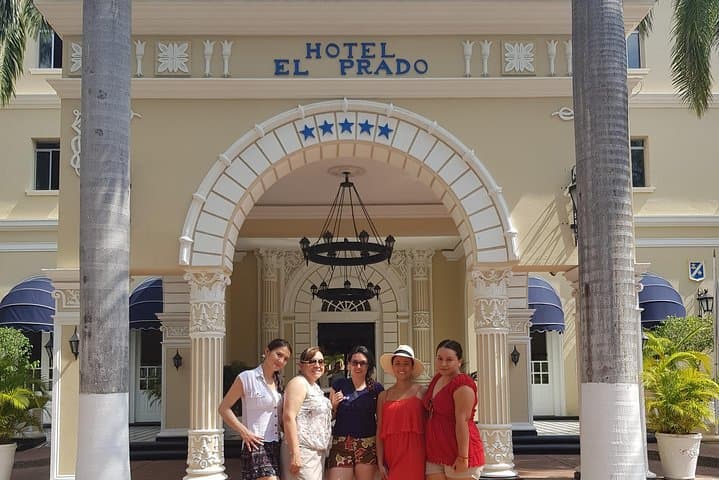
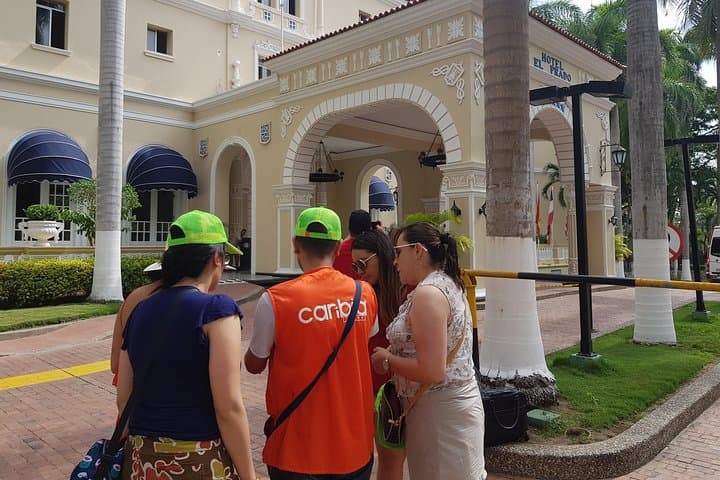
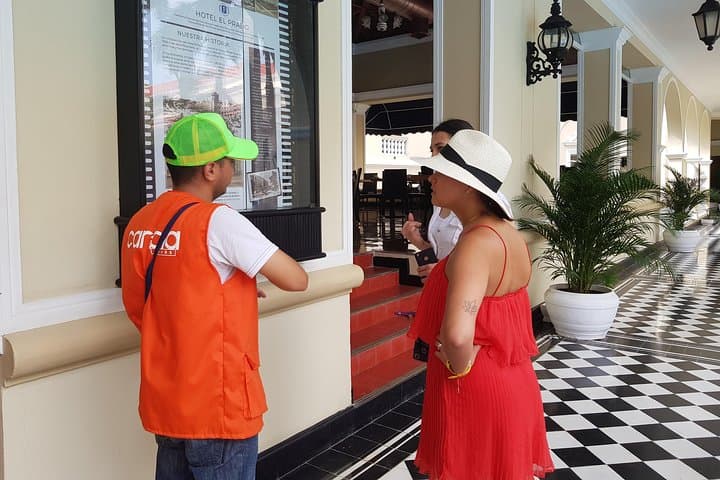
This compact tour threads Barranquilla’s cultural spine: Hotel El Prado (opened 1930), Amira de la Rosa theater, the Edgar Rentería stadium, and the Carnival House where masks and cumbia rhythms map decades of Afro-Caribbean and immigrant traditions. Geologically the city sits on flat coastal alluvium from the Magdalena; the river has long shaped trade, migration and the waterfront development that produced the Malecón’s terraces and viewpoints.
Expect accessible walking, short guided stops and a long look at the riverfront; the Carnival Museum includes an indoor interpretive exhibit. Local insights: try street arepas near the Fluvial Intendancy and watch for impromptu musical groups in the Abajo neighborhood.
Practically: the trip runs about 3–4 hours with private transport between stops. Bring sun protection and a refillable water bottle, wear sturdy walking shoes for uneven sidewalks, and schedule mid-morning or late afternoon to avoid the peak heat. The tour is family-friendly and easy paced, but humidity and sun make hydration and timing key. For a first-time visit the route gives a clear, grounded introduction to Barranquilla’s civic life and river stories.
easy.
3–4 hours.
Suitable for most fitness levels; involves short walks and standing at exhibits
The private tour runs approximately 3–4 hours with transport between stops.
Yes — the itinerary includes entrance to the Carnival House and Museum.
Yes — the tour notes stroller access, though some sidewalks have uneven sections.
Bring ID as requested at booking; passport details are often collected for identification.
Barranquilla grew as a 19th–20th century port on the Magdalena River; El Prado and Hotel El Prado reflect a 1920s boom tied to trade and immigrant communities.
Riverfront redevelopment aims to reconnect residents to the Magdalena while balancing flood risk; avoid littering and support local vendors to help sustainable waterfront use.
Caribia Tours operates guided outdoor trips and adventures with an emphasis on safety, stewardship, and memorable experiences.
The city opens up as you step off the van onto the wide promenade of the Great Malecón del Río, the Magdalena River moving like a slow, insistent companion along the city’s edge. Morning light hits the colored facades of El Prado; colonial-era houses and 1920s brickwork stand against the restless Caribbean sky. You can hear the distant echo of baseball crowds and the hum of Calle 72 life.
The city opens up as you step off the van onto the wide promenade of the Great Malecón del Río, the Magdalena River moving like a slow, insistent companion along the city’s edge. Morning light hits the colored facades of El Prado; colonial-era houses and 1920s brickwork stand against the restless Caribbean sky. You can hear the distant echo of baseball crowds and the hum of Calle 72 life.
This compact tour threads Barranquilla’s cultural spine: Hotel El Prado (opened 1930), Amira de la Rosa theater, the Edgar Rentería stadium, and the Carnival House where masks and cumbia rhythms map decades of Afro-Caribbean and immigrant traditions. Geologically the city sits on flat coastal alluvium from the Magdalena; the river has long shaped trade, migration and the waterfront development that produced the Malecón’s terraces and viewpoints.
Expect accessible walking, short guided stops and a long look at the riverfront; the Carnival Museum includes an indoor interpretive exhibit. Local insights: try street arepas near the Fluvial Intendancy and watch for impromptu musical groups in the Abajo neighborhood.
Practically: the trip runs about 3–4 hours with private transport between stops. Bring sun protection and a refillable water bottle, wear sturdy walking shoes for uneven sidewalks, and schedule mid-morning or late afternoon to avoid the peak heat. The tour is family-friendly and easy paced, but humidity and sun make hydration and timing key. For a first-time visit the route gives a clear, grounded introduction to Barranquilla’s civic life and river stories.