THE ADVENTURE COLLECTIVE® · Independent discovery and booking for outdoor travel

Move to the heartbeat of Barranquilla with a private 2.5‑hour class that teaches Cumbia, Champeta, Mapalé and Salsa while tracing the Carnival’s musical roots. Perfect for travelers who want hands‑on instruction, local context, and a taste of Caribbean dance culture.
Move to the heartbeat of Barranquilla with a private 2.5‑hour class that teaches Cumbia, Champeta, Mapalé and Salsa while tracing the Carnival’s musical roots. Perfect for travelers who want hands‑on instruction, local context, and a taste of Caribbean dance culture.
The room hums before the music starts: a band of drums taps out a steady call and the air fills with a warm Caribbean pulse. You stand with other learners in a modest studio in Barranquilla, the city that throws Colombia’s largest street party, and the instructor counts off steps that have traveled from riverbanks and port neighborhoods into carnival parades.
Verified experiences and guided adventures in the surrounding area.
Operated by Caribia Tours · Barranquilla, Atlántico
The room hums before the music starts: a band of drums taps out a steady call and the air fills with a warm Caribbean pulse. You stand with other learners in a modest studio in Barranquilla, the city that throws Colombia’s largest street party, and the instructor counts off steps that have traveled from riverbanks and port neighborhoods into carnival parades.
Barranquilla’s rhythms—cumbia, mapalé, champeta and the coastal take on salsa—are products of colonial trade routes, African and Indigenous traditions, and twentieth‑century recording studios that turned local orchestras into national stars. The city’s flat, windswept geography funnels ocean air through its streets; that breeze keeps the dancers moving and the percussion bright. Local culture here is open and direct: dance is social currency and a way to tell a communal story.
This private 2.5‑hour class pairs a short history of Carnival rhythms with practical instruction: basic steps, partner work, and signature passes, finishing with a traditional snack in a convivial setting. Expect hands‑on correction, repeated breakdowns of complicated turns, and plenty of practice to groove to real tracks rather than staged loops.
Practical tips: wear breathable clothes and supportive shoes that allow pivoting; hydrate before and during class—Caribbean heat pushes you faster than you think; come with an open attitude and a basic sense of rhythm, not professional technique. Morning sessions are cooler and less crowded; evening classes carry the city’s nightlife energy. Bring ID if pickup is arranged and notify the guide of any mobility or spine issues ahead of time.
This experience is less about performance and more about moving with a community that has long used dance to claim space, memory and joy.
easy.
2–3 hours.
Light aerobic fitness recommended—able to stand, pivot, and follow step sequences for 90–150 minutes.
No—classes are designed for beginners and break moves down step‑by‑step while scaling difficulty as you progress.
Comfortable, breathable clothing and shoes with a thin, supportive sole that allow turning and pivoting are best.
The activity is generally suitable for most ages, but participants with spinal injuries or serious mobility limits should consult the operator beforehand.
All sales are final for this particular booking; confirm details with the operator before purchasing.
Barranquilla’s Carnival evolved from African, Indigenous and European traditions and became nationally prominent through mid‑20th century recording studios and parade culture.
Support local cultural preservation by choosing small guides and avoiding single‑use plastics; respect community spaces during rehearsals and events.
Caribia Tours operates guided outdoor trips and adventures with an emphasis on safety, stewardship, and memorable experiences.
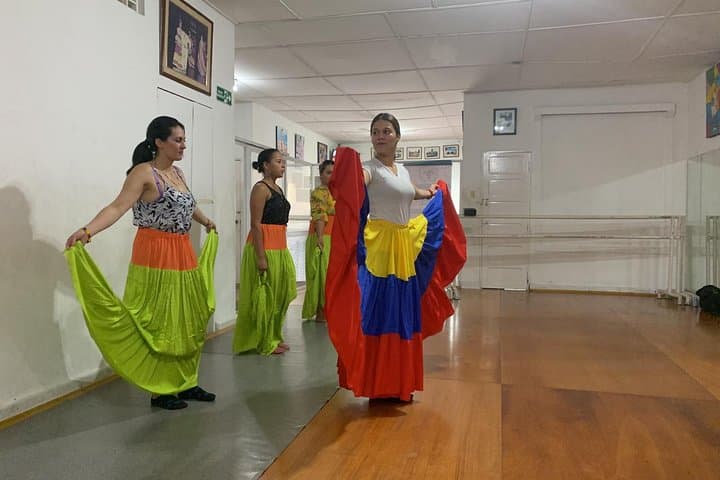
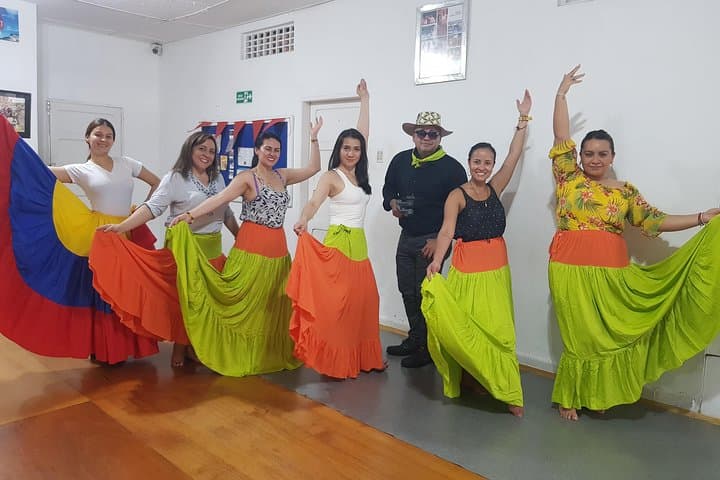
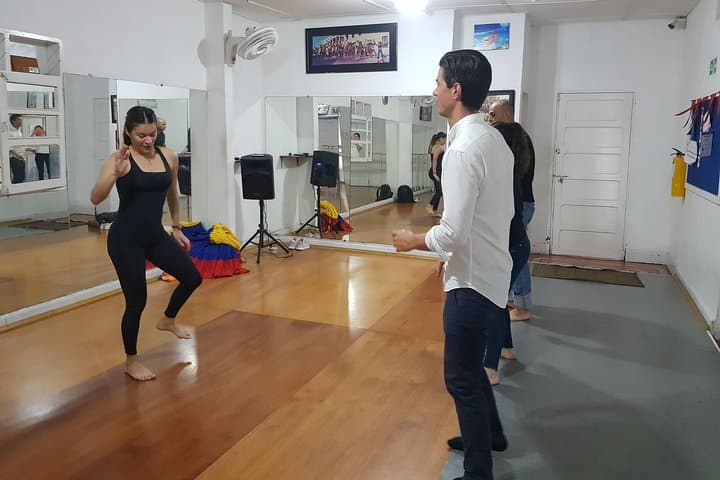
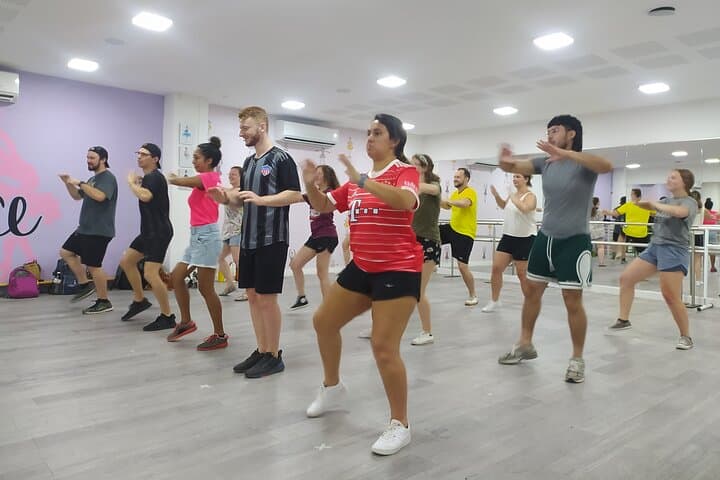
The room hums before the music starts: a band of drums taps out a steady call and the air fills with a warm Caribbean pulse. You stand with other learners in a modest studio in Barranquilla, the city that throws Colombia’s largest street party, and the instructor counts off steps that have traveled from riverbanks and port neighborhoods into carnival parades.
The room hums before the music starts: a band of drums taps out a steady call and the air fills with a warm Caribbean pulse. You stand with other learners in a modest studio in Barranquilla, the city that throws Colombia’s largest street party, and the instructor counts off steps that have traveled from riverbanks and port neighborhoods into carnival parades.
Barranquilla’s rhythms—cumbia, mapalé, champeta and the coastal take on salsa—are products of colonial trade routes, African and Indigenous traditions, and twentieth‑century recording studios that turned local orchestras into national stars. The city’s flat, windswept geography funnels ocean air through its streets; that breeze keeps the dancers moving and the percussion bright. Local culture here is open and direct: dance is social currency and a way to tell a communal story.
This private 2.5‑hour class pairs a short history of Carnival rhythms with practical instruction: basic steps, partner work, and signature passes, finishing with a traditional snack in a convivial setting. Expect hands‑on correction, repeated breakdowns of complicated turns, and plenty of practice to groove to real tracks rather than staged loops.
Practical tips: wear breathable clothes and supportive shoes that allow pivoting; hydrate before and during class—Caribbean heat pushes you faster than you think; come with an open attitude and a basic sense of rhythm, not professional technique. Morning sessions are cooler and less crowded; evening classes carry the city’s nightlife energy. Bring ID if pickup is arranged and notify the guide of any mobility or spine issues ahead of time.
This experience is less about performance and more about moving with a community that has long used dance to claim space, memory and joy.