THE ADVENTURE COLLECTIVE® · Independent discovery and booking for outdoor travel

Walk through a cool, waterfall-carved ravine with local guides Inés and Juanjo—discover endemic plants, old irrigation lines, and tropical forest pockets only 40 minutes from Maspalomas.
Walk through a cool, waterfall-carved ravine with local guides Inés and Juanjo—discover endemic plants, old irrigation lines, and tropical forest pockets only 40 minutes from Maspalomas.
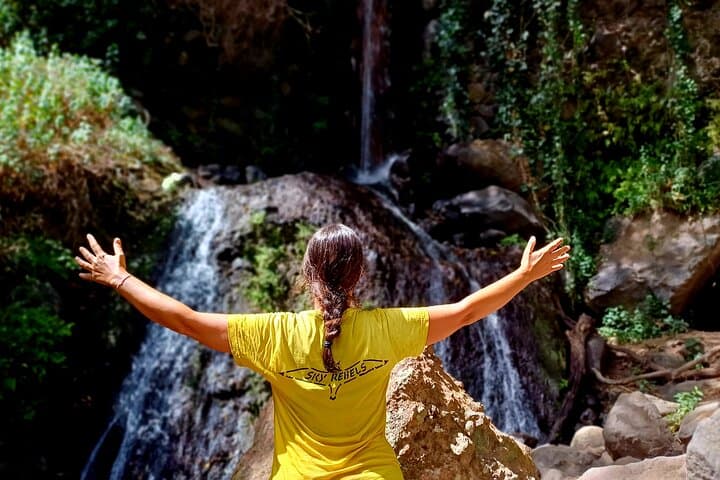
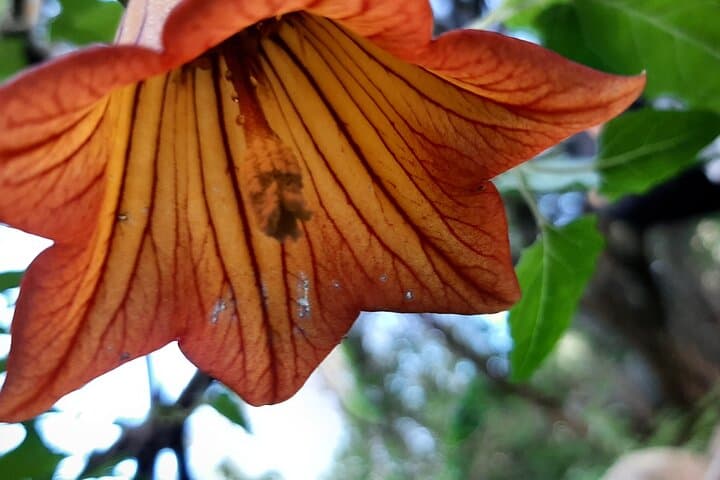
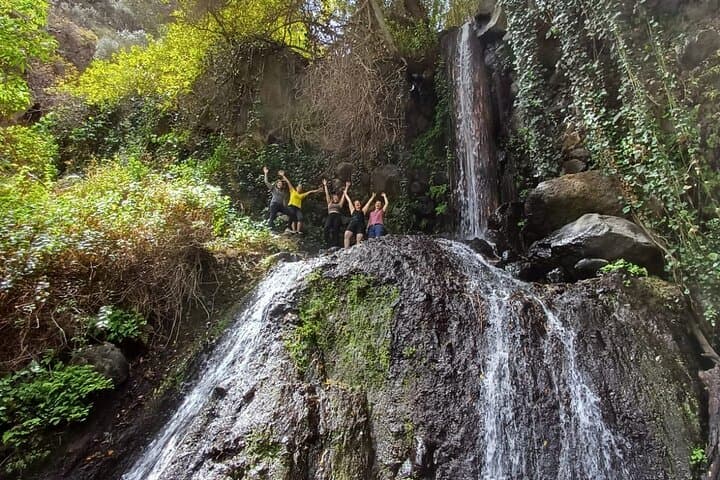
You step off the air-conditioned van and the air changes—cooler, damp, threaded with the smell of moss and resin. The trail drops into Barranco de los Cernícalos where water still dares you forward, carving terraces and small waterfalls through a dense, almost primeval laurel-like forest. Guides Inés and Juanjo lead with easy familiarity: pointing out endemic plants, pausing at springs, and sharing stories of how local families once drew water and materials from this gorge.
Verified experiences and guided adventures in the surrounding area.
Operated by Sky Rebels · Maspalomas, Las Palmas
You step off the air-conditioned van and the air changes—cooler, damp, threaded with the smell of moss and resin. The trail drops into Barranco de los Cernícalos where water still dares you forward, carving terraces and small waterfalls through a dense, almost primeval laurel-like forest. Guides Inés and Juanjo lead with easy familiarity: pointing out endemic plants, pausing at springs, and sharing stories of how local families once drew water and materials from this gorge.
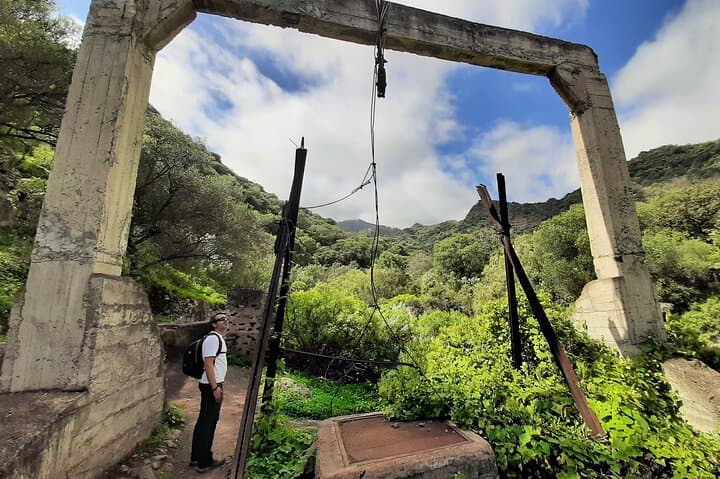
Geology here is volcanic, the ravine cut into ancient basalt and tuff; pockets of soil and shade allow a lush understory rarely seen on the southern coast. Culturally, the route shows a working landscape—stone terraces, old irrigation lines and place names that map to generations of use.
Expect about 8–9 km of hiking, roughly 300 m of unevenness and four hours on the trail with stops. Terrain alternates packed dirt, exposed roots and short rock scrambles; occasional waterfalls and pools offer photo stops and brief rest. The pace is conversational with interpretive stops that knit natural history and local life into the walk.
Practical tips: start early to avoid midday heat in the lower approaches and bring waterproof layers for mist near falls. Wear grippy hiking shoes and carry 1–2 liters of water; hiking poles are available if you need them. The tour is suitable for hikers with moderate fitness—expect a relaxed but steady rhythm, guided insights, and the occasional playful surprise from the landscape.
moderate.
4–5.5 hours.
Comfortable for someone who regularly walks 1–2 hours and can handle short, sustained climbs; not suitable for those with serious heart or back conditions.
The walking portion is about 8–9 km with roughly 300 m of elevation unevenness; rated easy–medium—suitable for those with moderate fitness.
Yes—an air-conditioned vehicle transfer is included; total tour time listed is about 330 minutes (including transport and stops).
Due to duration and terrain, the tour is not recommended for young children; check with the operator for age limits and family accommodations.
Water flow varies seasonally—after rains the waterfalls are more impressive, while late summer can be drier but still scenic with pools and springs.
The ravine shows traces of traditional resource use—terraces and irrigation channels reflecting centuries of small-scale agriculture on Gran Canaria.
This pocket of humid forest supports endemic species; stay on trail to avoid trampling fragile understory and follow guide instructions to minimize impact.
Sky Rebels operates guided outdoor trips and adventures with an emphasis on safety, stewardship, and memorable experiences.
You step off the air-conditioned van and the air changes—cooler, damp, threaded with the smell of moss and resin. The trail drops into Barranco de los Cernícalos where water still dares you forward, carving terraces and small waterfalls through a dense, almost primeval laurel-like forest. Guides Inés and Juanjo lead with easy familiarity: pointing out endemic plants, pausing at springs, and sharing stories of how local families once drew water and materials from this gorge.
You step off the air-conditioned van and the air changes—cooler, damp, threaded with the smell of moss and resin. The trail drops into Barranco de los Cernícalos where water still dares you forward, carving terraces and small waterfalls through a dense, almost primeval laurel-like forest. Guides Inés and Juanjo lead with easy familiarity: pointing out endemic plants, pausing at springs, and sharing stories of how local families once drew water and materials from this gorge.
Geology here is volcanic, the ravine cut into ancient basalt and tuff; pockets of soil and shade allow a lush understory rarely seen on the southern coast. Culturally, the route shows a working landscape—stone terraces, old irrigation lines and place names that map to generations of use.
Expect about 8–9 km of hiking, roughly 300 m of unevenness and four hours on the trail with stops. Terrain alternates packed dirt, exposed roots and short rock scrambles; occasional waterfalls and pools offer photo stops and brief rest. The pace is conversational with interpretive stops that knit natural history and local life into the walk.
Practical tips: start early to avoid midday heat in the lower approaches and bring waterproof layers for mist near falls. Wear grippy hiking shoes and carry 1–2 liters of water; hiking poles are available if you need them. The tour is suitable for hikers with moderate fitness—expect a relaxed but steady rhythm, guided insights, and the occasional playful surprise from the landscape.