THE ADVENTURE COLLECTIVE® · Independent discovery and booking for outdoor travel

See the Barossa’s vineyards, historic wineries and the valley floor from a 20‑minute helicopter flight out of Hoffnungsthal. This quick aerial tour packs geological, cultural and photographic highlights into a compact, weather‑dependent experience.
See the Barossa’s vineyards, historic wineries and the valley floor from a 20‑minute helicopter flight out of Hoffnungsthal. This quick aerial tour packs geological, cultural and photographic highlights into a compact, weather‑dependent experience.
A low thrum grows beneath your feet as the helicopter lifts from Hoffnungsthal Valley; vines tighten into tidy ribbons and the Barossa stretches open like a sunburnt map. From the Western Ridge the pilot banks you toward rolling vineyards, palm-lined lanes and the patchwork roofs of Seppeltsfield and Tanunda. The valley floor below feels purposeful—rivers that once powered mills now give way to parcels of vines and limestone ridges that push shadows across winery tanks.
Verified experiences and guided adventures in the surrounding area.
Operated by Barossa Helicopters · Tanunda, South Australia
A low thrum grows beneath your feet as the helicopter lifts from Hoffnungsthal Valley; vines tighten into tidy ribbons and the Barossa stretches open like a sunburnt map. From the Western Ridge the pilot banks you toward rolling vineyards, palm-lined lanes and the patchwork roofs of Seppeltsfield and Tanunda. The valley floor below feels purposeful—rivers that once powered mills now give way to parcels of vines and limestone ridges that push shadows across winery tanks.
The Barossa’s identity is written in stone and vintage: nineteenth-century German settlers laid out towns like Tanunda and Nuriootpa and built cellar doors still producing fortified shiraz. Geologically, the region sits on weathered Adelaidean rocks and Quaternary alluvium—terrain that yields the free-draining soils favored by riesling and shiraz. Cultural signposts — Penfolds vats, Maggie Beer’s farm, Chateau Tanunda’s stone facades — pass quickly under the rotor wash, offering a compact history lesson from the air.
Practical guidance is straightforward. Arrive 30 minutes early for a safety briefing and weight check; expect photo stops by the helicopter and wear low-profile clothing to avoid loose items. Noise-cancelling headsets are provided but bring a windproof layer—altitude and open doors can be chilly. Weight limits and a minimum child height apply; most guests find the ride easy and accessible, but passengers with mobility constraints should notify the operator in advance. Flights are weather dependent, so schedule early morning or late afternoon for softer light and more stable air. From this vantage, the Barossa reveals itself as a working landscape — sun, soil and industry conspiring to shape every straight row below.
easy.
20–30 minutes.
Minimal fitness required; must be able to step into a low helicopter cabin and follow crew instructions
The advertised flight is about 20 minutes of airborne time; allow 30–60 minutes total including briefing and ground photos.
Yes—maximum individual weight and combined passenger limits apply; children must meet a minimum height. Provide exact weights at booking.
Flights are weather dependent—operators will reschedule or refund if conditions prevent safe flying, typically with at least 24 hours’ notice.
The facility lists wheelchair accessibility, but passengers with mobility needs should contact the operator ahead of time so crew can confirm boarding arrangements.
The Barossa was settled largely by German migrants in the 1840s; their towns and cellars shaped the region’s winemaking and architectural character still visible from the air.
Operators coordinate with local authorities to minimize low-level flight over sensitive habitats; passengers should avoid dropping items and follow crew guidance to reduce noise and disturbance.
Barossa Helicopters operates guided outdoor trips and adventures with an emphasis on safety, stewardship, and memorable experiences.
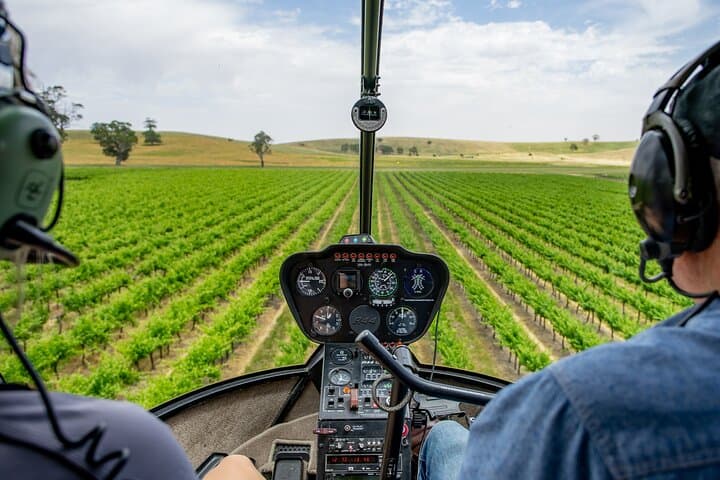
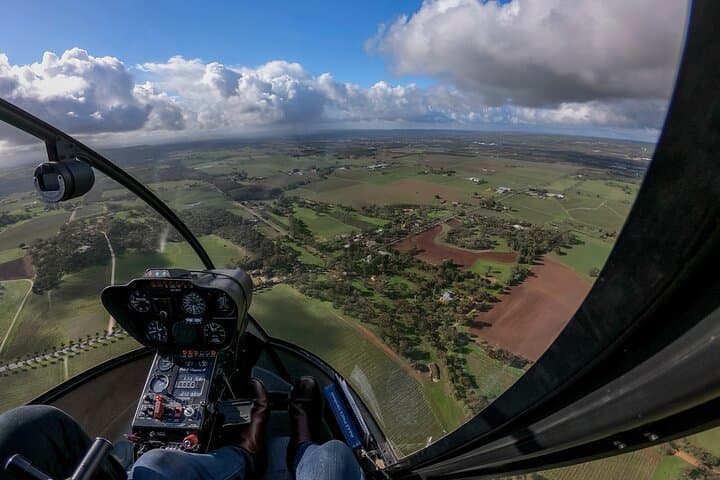
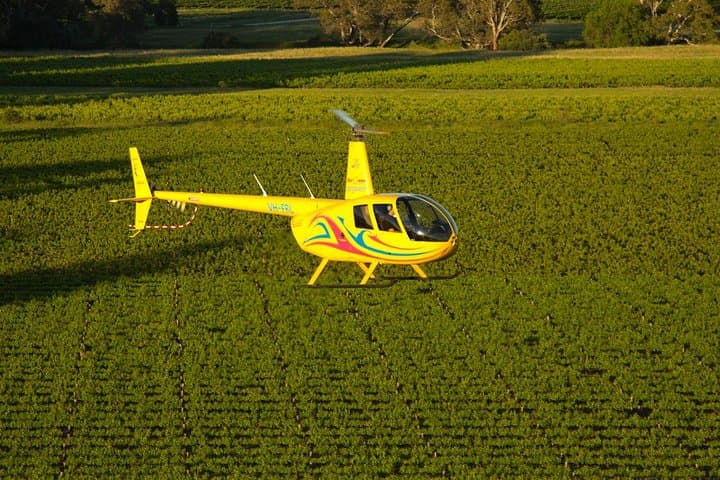
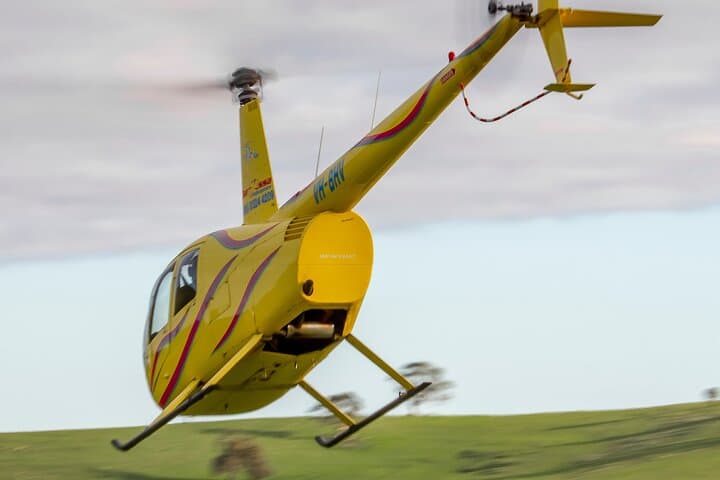
A low thrum grows beneath your feet as the helicopter lifts from Hoffnungsthal Valley; vines tighten into tidy ribbons and the Barossa stretches open like a sunburnt map. From the Western Ridge the pilot banks you toward rolling vineyards, palm-lined lanes and the patchwork roofs of Seppeltsfield and Tanunda. The valley floor below feels purposeful—rivers that once powered mills now give way to parcels of vines and limestone ridges that push shadows across winery tanks.
A low thrum grows beneath your feet as the helicopter lifts from Hoffnungsthal Valley; vines tighten into tidy ribbons and the Barossa stretches open like a sunburnt map. From the Western Ridge the pilot banks you toward rolling vineyards, palm-lined lanes and the patchwork roofs of Seppeltsfield and Tanunda. The valley floor below feels purposeful—rivers that once powered mills now give way to parcels of vines and limestone ridges that push shadows across winery tanks.
The Barossa’s identity is written in stone and vintage: nineteenth-century German settlers laid out towns like Tanunda and Nuriootpa and built cellar doors still producing fortified shiraz. Geologically, the region sits on weathered Adelaidean rocks and Quaternary alluvium—terrain that yields the free-draining soils favored by riesling and shiraz. Cultural signposts — Penfolds vats, Maggie Beer’s farm, Chateau Tanunda’s stone facades — pass quickly under the rotor wash, offering a compact history lesson from the air.
Practical guidance is straightforward. Arrive 30 minutes early for a safety briefing and weight check; expect photo stops by the helicopter and wear low-profile clothing to avoid loose items. Noise-cancelling headsets are provided but bring a windproof layer—altitude and open doors can be chilly. Weight limits and a minimum child height apply; most guests find the ride easy and accessible, but passengers with mobility constraints should notify the operator in advance. Flights are weather dependent, so schedule early morning or late afternoon for softer light and more stable air. From this vantage, the Barossa reveals itself as a working landscape — sun, soil and industry conspiring to shape every straight row below.